 comparison
Whole Home Backup Power: EcoFlow System Review
Table of Contents
- EcoFlow DELTA Pro Ultra Home Backup: A Modular Approach to Whole-Home Power
- EcoFlow Home Battery Backup Capacity: How Much Energy Storage Do You Need?
- EcoFlow Battery Backup Runtime: Real Numbers for Household Loads
- EcoFlow vs. Standby Generator: Which Backup Solution Fits Your Home?
- Installation, Permitting, and What to Expect During Setup
- Battery Lifespan, Warranty, and Long-Term Ownership Costs
- Conclusion
- Frequently Asked Questions
Last Updated: October 7, 2026
EcoFlow DELTA Pro Ultra Home Backup: A Modular Approach to Whole-Home Power
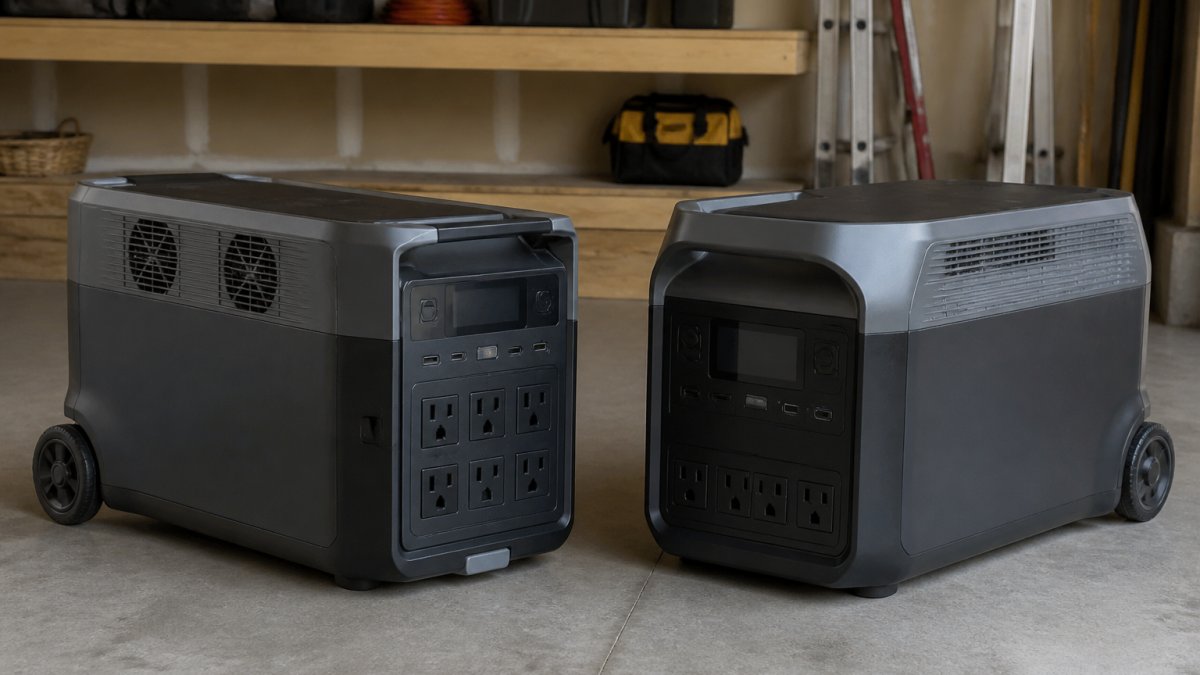
Whole home backup power with EcoFlow starts with the DELTA Pro Ultra, a modular battery system built to carry your house through an outage.
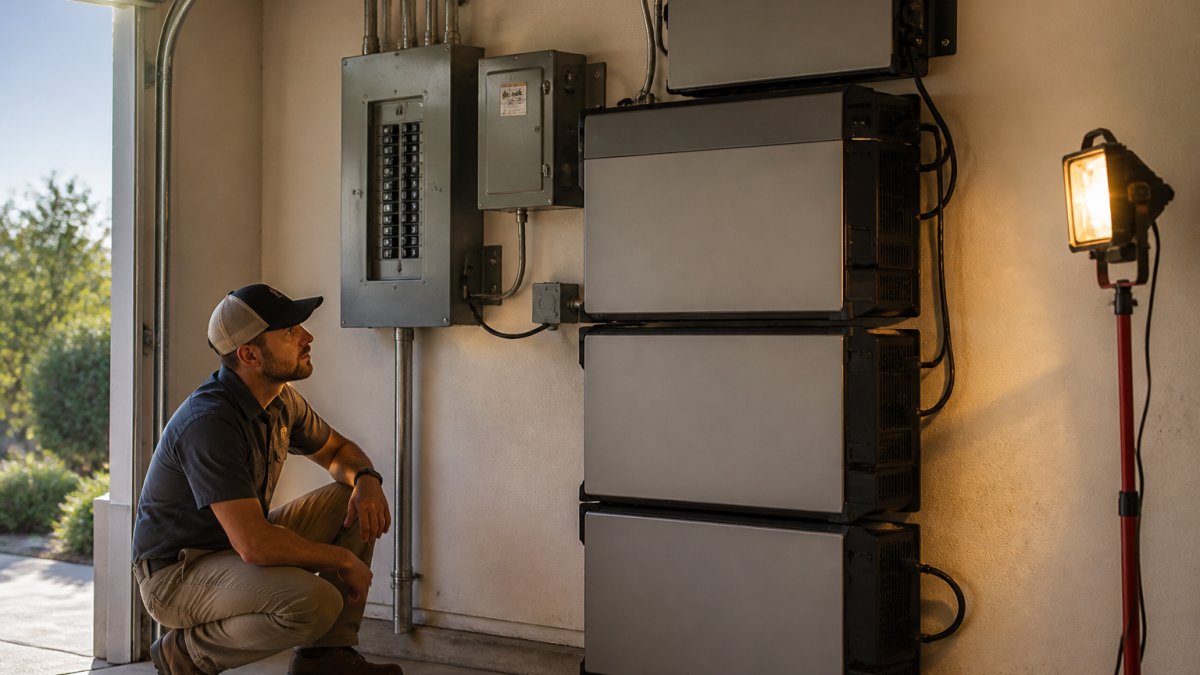
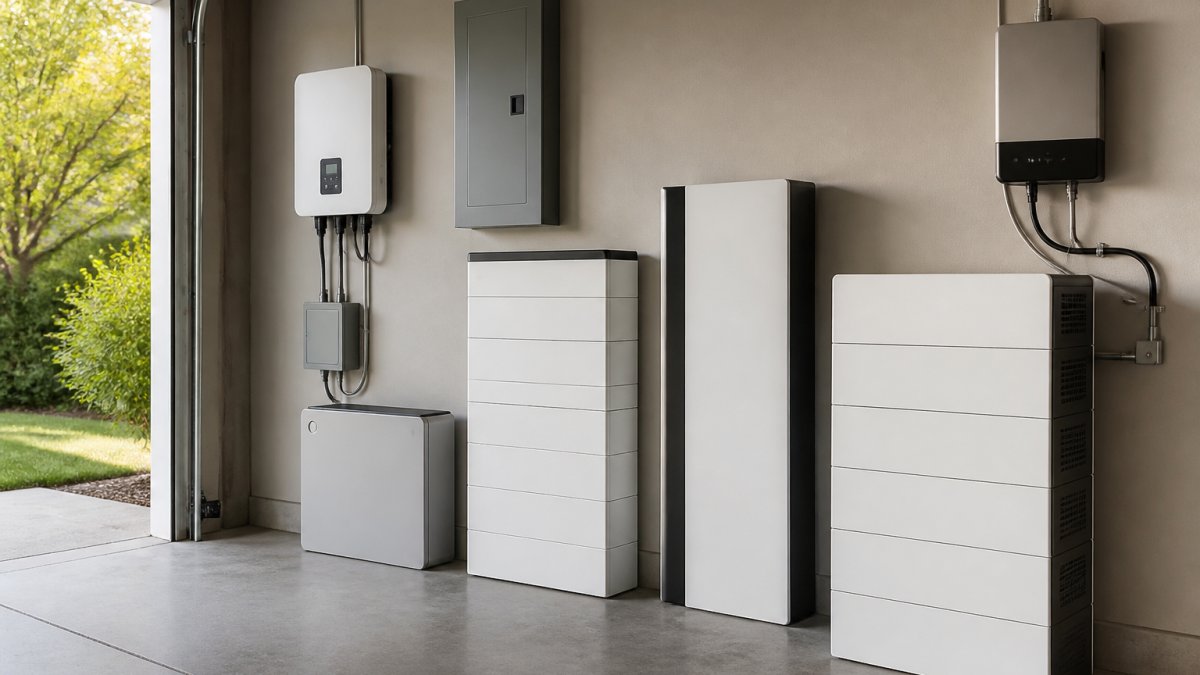
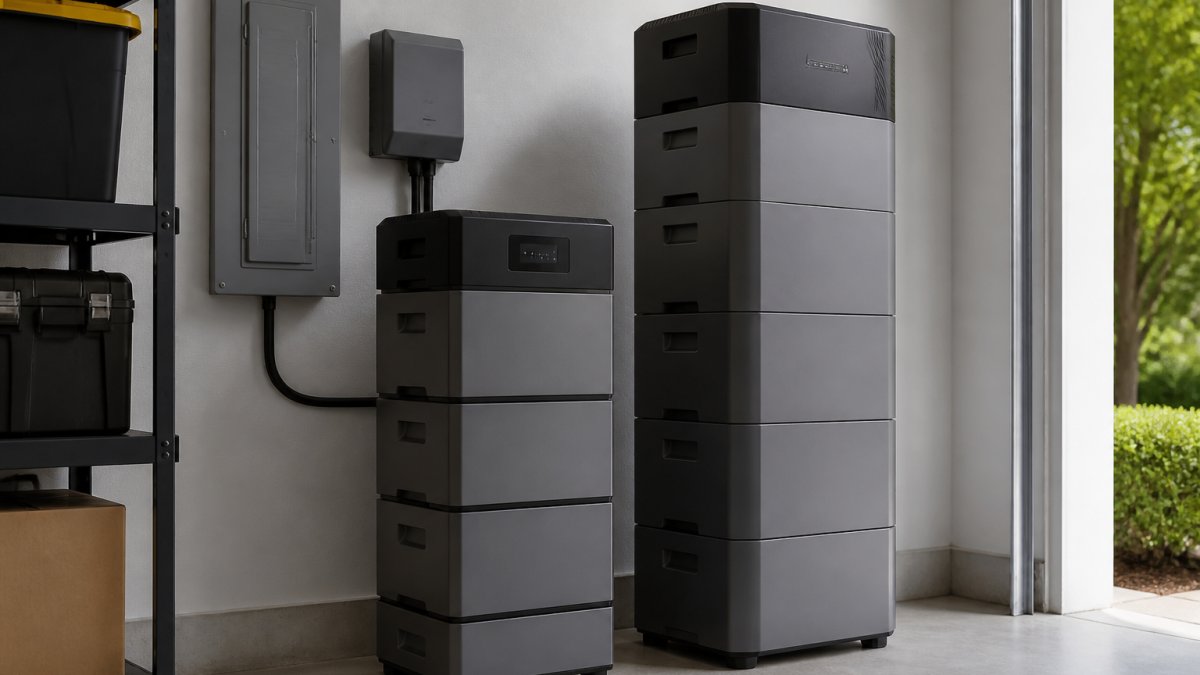
The DELTA Pro Ultra pairs an inverter with stackable batteries.
Modularity is the real story: buy what your home needs now, add batteries later. The product page describes it as a whole-home backup solution, and EcoFlow says the system can run a home off-grid with solar.
EcoFlow Home Battery Backup Capacity: How Much Energy Storage Do You Need?
Capacity is measured in kilowatt-hours, and it decides how long your home runs once the grid drops.
Add up the wattage of the appliances you refuse to lose, estimate how many hours you run them, and convert that to kilowatt-hours.
EcoFlow's whole-home solutions collection spans 12 to 180 kWh. The DELTA Pro portable station lists capacity up to 21.6 kWh; the DELTA Pro Ultra sits above that with expandable storage for longer events.
| Backup Need | Typical Capacity Range | What It Covers |
|---|---|---|
| Short outages, essentials only | 12-20 kWh | Fridge, lights, internet, phones |
| Multi-day, partial home | 20-60 kWh | Adds well pump, some appliances |
| Extended, near-whole-home | 60-180 kWh | Most household loads with management |
Expandable Capacity for Longer Outages
Expansion works by adding battery modules to the same inverter. Each module raises total stored energy, stretching runtime without changing your output ceiling, for homes that see multi-day ice storms, the difference between a comfortable week and a cold one.
EcoFlow Battery Backup Runtime: Real Numbers for Household Loads
Runtime is capacity divided by load, adjusted for inverter losses and how often each appliance actually cycles. The formula is simple; the assumptions are where most buyers get surprised.
The working formula:
Runtime (hours) = Usable capacity (kWh) × Inverter efficiency ÷ Average load (kW)
Two adjustments matter. Usable capacity is not nameplate capacity, most home batteries are managed to a depth of discharge below 100% to protect cell life, so a 20 kWh pack may deliver roughly 18 kWh usable.
Worked Example: Essentials-Only Load
Assume a 20 kWh DELTA Pro Ultra configuration with 18 kWh usable and 90% inverter efficiency, giving about 16.2 kWh of delivered energy.
| Appliance | Running Watts | Duty Cycle | Avg Watts | Daily kWh |
|---|---|---|---|---|
| Refrigerator (typical 18 cu ft) | 150 | ~33% | 50 | 1.2 |
| LED lighting (10 bulbs @ 9 W) | 90 | 5 hrs/day | , | 0.45 |
| Wi-Fi router + modem | 15 | 100% | 15 | 0.36 |
| Laptop charger | 60 | 4 hrs/day | , | 0.24 |
| Phone chargers (2) | 10 | 4 hrs/day | , | 0.04 |
| Sump pump (1/3 hp) | 800 | ~15 min/day | , | 0.2 |
| Total | ~2.5 kWh/day |
At 2.5 kWh per day, a 16.2 kWh usable bank lasts roughly 6.5 days on essentials alone, the number most homeowners actually care about, not the peak output figure.
Worked Example: Adding Larger Loads
Now layer in a well pump, a microwave, and a window AC unit.
| Appliance | Running Watts | Duty Cycle | Daily kWh |
|---|---|---|---|
| Essentials from above | , | , | 2.5 |
| Well pump (1/2 hp, 240 V) | 1,000 | 1 hr/day | 1.0 |
| Microwave | 1,000 | 20 min/day | 0.33 |
| Window AC (8,000 BTU) | 700 | 8 hrs/day | 5.6 |
| Total | ~9.4 kWh/day |
The same 16.2 kWh usable bank now lasts about 1.7 days. Add central air and the picture changes again, a 3-ton unit draws roughly 3,000-3,500 running watts and cycles heavily, easily pushing daily consumption past 20 kWh and draining the bank in under a day.
Surge vs. Running Watts
Every motor-driven appliance has two numbers: running watts and surge (locked-rotor) watts. Surge is what the inverter must survive for a fraction of a second at startup.
- Refrigerator compressor: ~3× running watts at startup
- Well pump: ~3-5× running watts
- Central AC compressor: ~3-5× running watts
A system rated for 21.6 kW of AC output can start most residential loads one at a time, but simultaneous startup of multiple large motors can still trip the inverter. Staggering startups, or using soft-start devices on AC compressors and well pumps, is the standard fix.
How Weather and Season Change the Math
Runtime is not a fixed number. In summer, AC load can triple your daily consumption. In winter, a furnace blower and longer lighting hours push consumption up while solar production drops. A system sized for a mild-weather outage may deliver half the runtime during a heat wave or a multi-day ice storm. Plan for your worst-case season, not your average one.
EcoFlow vs. Standby Generator: Which Backup Solution Fits Your Home?
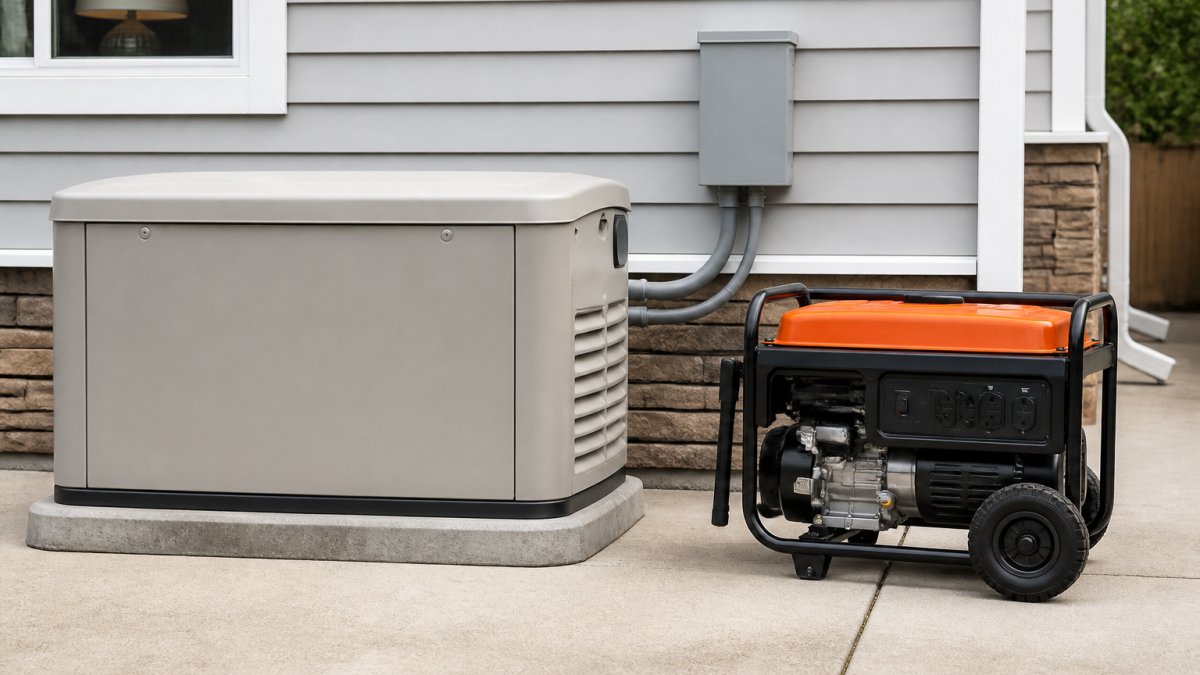
EcoFlow vs. standby generator comes down to how you want to buy reliability. A battery system stores energy silently and starts instantly. A standby generator makes its own power from fuel and runs as long as fuel is delivered.
Standby generators, like the Generac units we install, run indefinitely as long as natural gas or propane flows, making them the stronger choice for outages measured in days or weeks.
| Factor | Battery System | Standby Generator |
|---|---|---|
| Noise | Silent | Audible while running |
| Fuel | None | Natural gas or propane |
| Runtime | Limited by capacity | Unlimited with fuel supply |
| Solar pairing | Direct | Not applicable |
| Maintenance | Minimal | Regular service needed |
When a Battery System Makes More Sense
Battery backup wins when outages are short and you value quiet, clean operation, or if you already have solar and want to store what you generate. Homes that lose power for a few hours at a time get more value from a battery than from a fuel-burning unit that sits idle most of the year.
For longer events, the math flips. A generator keeps producing power; a battery eventually empties unless the sun refills it.
Take our 60-second quiz for a free quote today! →
Installation, Permitting, and What to Expect During Setup
Installation is where a good system becomes a working one.
Permitting varies by jurisdiction. Most areas require an electrical permit and an inspection before the system is energized, and some homeowners associations add their own approval step.
At Generators of Nashville by Evolution Electric, our licensed electricians have installed backup power systems since 2014, including EcoFlow, Anker SOLIX, and Jackery battery systems alongside Generac generators and solar arrays.
Battery Lifespan, Warranty, and Long-Term Ownership Costs
A home battery is a 10-to-15-year purchase, so the sticker price tells you less than the cost per usable kilowatt-hour over the system's life. What drives that number: cycle life, degradation, warranty structure, replacement cost, and the incentives that offset the up-front spend.
Cycle Life and Degradation
Lithium iron phosphate (LFP) cells, the chemistry used in most current home batteries, including the DELTA Pro Ultra, are typically rated for several thousand full charge-discharge cycles before capacity falls to a defined threshold, commonly 70-80% of original.
Degradation is gradual, not a cliff. A system rated at 20 kWh may deliver about 18 kWh after five years and 15-16 kWh after ten, depending on depth of discharge, ambient temperature, and how often it sits at full charge.
How to Read a Battery Warranty
Most home battery warranties have two limits, and whichever comes first ends coverage:
- Year limit, typically 10 years for the battery modules.
- Energy-throughput limit, expressed in megawatt-hours (MWh) of energy cycled through the system. A 10-year / 30 MWh warranty on a 20 kWh battery implies roughly 1,500 full cycles before the throughput cap is reached.
A generous year count can be cut short by heavy daily cycling. If you plan to cycle the battery hard, daily arbitrage, frequent outages, or off-grid use, the throughput number governs. Read both before you buy, and ask the installer to model your expected annual throughput against the warranty cap.
Inverter and power electronics warranties are usually shorter than the battery warranty, often 5-10 years, and are a separate line item. Confirm both.
Cost Per Usable Kilowatt-Hour
Because installed pricing varies widely by capacity, panel setup, and permitting, the useful comparison metric is cost per usable kWh over the warranty period:
Cost per usable kWh = (Installed cost − Incentives) ÷ (Usable capacity × Expected cycles)
A larger system usually lowers the per-kWh figure because installation labor, the transfer switch, and permitting are largely fixed regardless of battery count. That is the economic argument for sizing up front rather than adding modules later, the second visit carries its own labor and permit cost.
Incentives and Tax Treatment
A federal residential clean energy credit has historically covered a percentage of the installed cost of qualified battery storage, and it can apply whether or not the battery is paired with solar, provided capacity and siting requirements are met. Rules, percentages, and eligibility have changed across recent tax years, so confirm current terms with a tax professional. Some states and utilities add their own rebates or time-of-use programs on top.
Replacement and Maintenance
Battery systems have few moving parts, so routine maintenance is light, typically an annual visual inspection, firmware updates, and confirming ventilation is clear. The cost most owners underestimate is the eventual battery module replacement: plan on replacing modules once, somewhere in the 10-to-15-year window, at a cost that depends on cell prices at that time.
Compared with a standby generator, which needs regular oil, filter, and exercise-cycle service and has its own 15-to-20-year replacement horizon, a battery system front-loads its cost but has a lower annual service burden.
Pricing for a full installed system depends on your capacity, panel setup, and permitting requirements. We quote each home individually rather than publishing a flat number, because two houses on the same street can need very different configurations. Take our 60-second quiz for a free, personalized quote.
Conclusion
Choosing whole home backup power means matching the system to your outage reality, not to the biggest number on a spec sheet. A modular EcoFlow battery system handles short, frequent outages quietly and pairs well with solar, while a standby generator covers the long events that drain any battery. Many Middle Tennessee homes end up wanting both. Generators of Nashville by Evolution Electric installs EcoFlow battery systems, Generac standby generators, and solar arrays, with licensed electricians handling the electrical panel work, the transfer switch, and the permits.
Frequently Asked Questions
Can I use EcoFlow to power my house?
Yes. EcoFlow offers whole-home backup systems like the DELTA Pro Ultra that connect to your home's electrical panel. EcoFlow lists up to 21.6 kW of AC output for the DELTA Pro Ultra, which can support substantial household loads. For a true whole-home setup, professional installation by a licensed electrician is recommended to ensure proper integration with your electrical panel and transfer switch.
How long can an EcoFlow battery power a home during an outage?
Runtime depends on battery capacity and which appliances you run. EcoFlow home battery backup capacity ranges from 12 to 180 kWh depending on configuration. If you power only essential appliances like a refrigerator, internet router, and a few lights, a smaller configuration can last a day or more. Running central air conditioning or electric heating will drain stored energy faster, so load management matters.
Is an EcoFlow battery backup better than a standby generator?
It depends on your priorities. A standby generator runs indefinitely as long as fuel is available and can handle heavy loads like central AC. An EcoFlow battery system runs silently, produces no emissions, and pairs with solar panels for energy independence. Battery systems also require less maintenance. For shorter outages and homes with solar, a battery often wins. For extended outages or high-demand homes, a generator may be the better fit.
Does EcoFlow whole-home backup require professional installation?
For whole-home integration, yes. Connecting a battery system to your electrical panel requires a transfer switch and proper wiring, which must meet local electrical codes. A licensed electrician handles the panel work, permits, and inspection. Portable EcoFlow stations can plug into individual appliances without installation, but they will not power your entire home that way.
How many EcoFlow batteries do I need to back up my home?
The number depends on your daily energy use and which circuits you want backed up. Start by identifying essential appliances and their wattage, then estimate total kilowatt-hours needed per day. EcoFlow systems are expandable, so you can start with one unit and add batteries later. A professional assessment can calculate the right configuration based on your household loads and outage duration.