 comparison
Alternatives to Tesla Powerwall for Home Storage
Table of Contents
- Why Homeowners Are Looking at Tesla Powerwall Alternatives
- Quick Comparison: Top Tesla Powerwall Alternatives for Home Storage
- FranklinWH aPower 2: More Capacity Than the Powerwall 3
- HomeGrid Stack'd Series: Lithium Iron Phosphate in a Modular Design
- Generac PWRcell EX: Battery Storage From a Generator Name You Know
- EcoFlow DELTA Pro: Portable Power Station as a Backup Option
- Home Battery Storage Capacity: What Actually Matters for Backup
- Whole-Home Battery Backup: Matching Power Output to Real Household Loads
- Frequently Asked Questions
Last Updated: October 12, 2026
Why Homeowners Are Looking at Tesla Powerwall Alternatives
The search for alternatives to Tesla Powerwall for home storage has grown as homeowners weigh capacity, compatibility, and backup performance against real household needs.
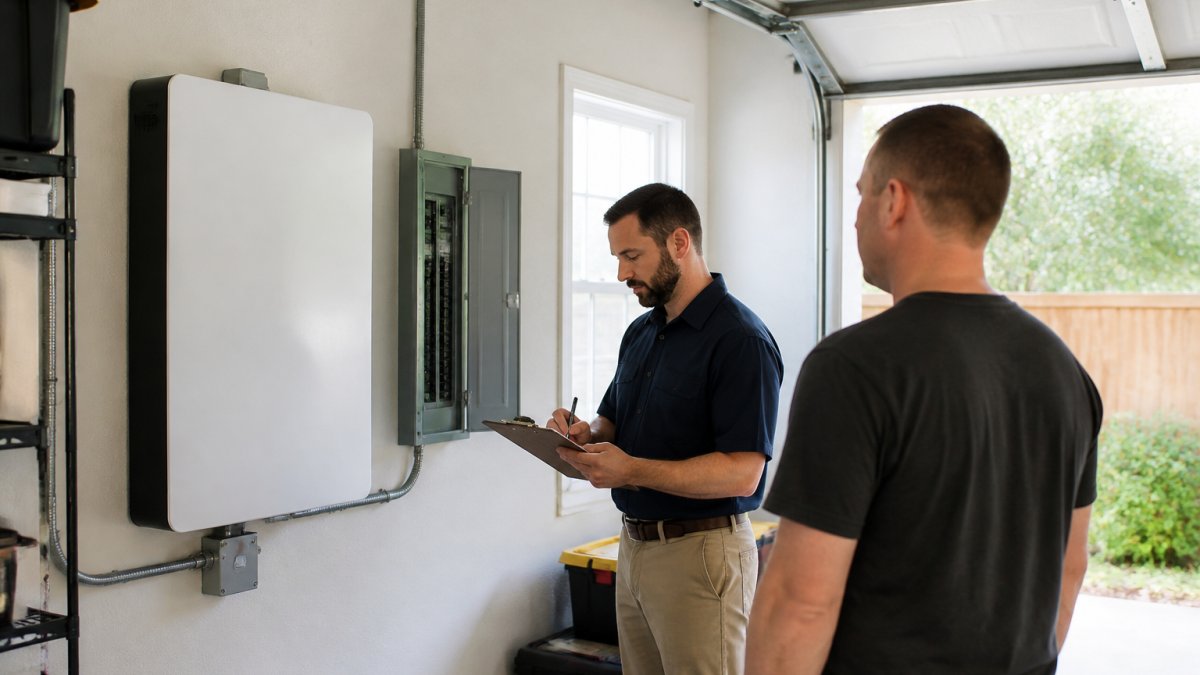
A home battery is a rechargeable energy storage system that stores electricity for later use, either from solar panels or from the grid during off-peak hours. The category has widened, and the Powerwall is no longer the only serious option.
Below, we compare four alternatives on capacity, chemistry, and backup role, then explain the numbers that decide whether a system keeps your lights on.
Quick Comparison: Top Tesla Powerwall Alternatives for Home Storage
The four systems below represent different approaches: high-capacity wall units, modular lithium iron phosphate banks, generator-branded storage, and portable power stations. Here is how they line up on the figures that decide whether a system keeps your lights on.
| System | Architecture | Reported Usable Capacity | Battery Chemistry | Typical Continuous Output | Solar/Inverter Compatibility | Best For |
|---|---|---|---|---|---|---|
| FranklinWH aPower 2 | AC-coupled wall unit with integrated smart panel | ~15 kWh (per manufacturer) | Lithium iron phosphate | ~10 kW continuous class | Works with existing solar via AC coupling; smart panel manages whole-home circuits | Higher capacity than Powerwall 3 for overnight backup |
| HomeGrid Stack'd Series | Modular DC-coupled battery bank | Varies by stack (commonly 4.8 kWh modules) | Lithium iron phosphate | Scales with stack count | Pairs with hybrid inverters; DC-coupled for new solar builds | Modular, chemistry-focused buyers who want to expand |
| Generac PWRcell EX | AC-coupled wall unit within Generac ecosystem | Varies by cabinet configuration | Lithium-ion (PWRcell platform) | Varies by configuration | Integrates with Generac inverters, ATS, and standby generators | Generac ecosystem owners adding storage |
| EcoFlow DELTA Pro | Portable power station (not permanently wired) | ~3.6 kWh base, expandable with extra batteries | Lithium iron phosphate (LFP) | ~3.6 kW class continuous, higher surge | Not grid-interconnected; charges from wall, solar, or generator | Portable and semi-portable essential-load backup |
A few caveats. Manufacturer spec sheets change between firmware and hardware revisions, so the numbers above are starting points, not contracts. Usable capacity is always lower than nameplate because the battery management system reserves headroom at the top and bottom of the charge range to protect the cells.
What most comparison tables leave out is the installed cost picture. The equipment price is only one line item. A realistic budget for a permanently wired home battery includes:
- Battery equipment: the wall unit or modular stack itself
- Inverter or hybrid inverter: often bundled, sometimes separate, and a major cost driver
- Installation labor: licensed electrician time, mounting, conduit, and wiring
- Electrical panel upgrade: many older homes need a 200-amp service or a dedicated critical-loads subpanel
- Permitting and inspection: varies widely by jurisdiction
- Monitoring and commissioning: gateway, app setup, and utility interconnection paperwork
Federal incentives can materially change the math. The residential clean energy credit under Section 25D of the Internal Revenue Code has historically covered a percentage of qualifying battery storage costs, including installation, when the battery meets capacity and siting requirements (Residential Clean Energy Credit).
Residential Clean Energy Credit
FranklinWH aPower 2: More Capacity Than the Powerwall 3
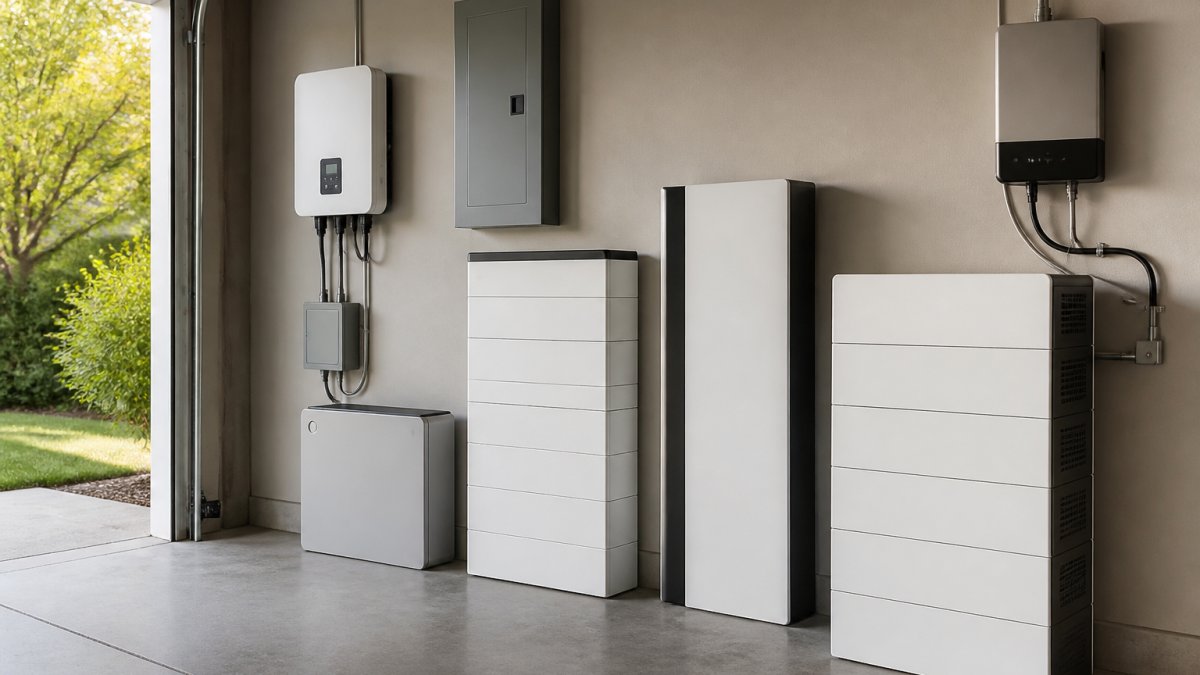
FranklinWH's aPower 2 appears in comparison coverage as a direct capacity play against the Powerwall 3, with the cited source reporting roughly 15 kWh of usable capacity against the Powerwall 3's 13.5 kWh.
What most guides miss is that capacity alone does not determine backup duration. Continuous power output, the rate at which the battery delivers electricity, sets the ceiling on how many appliances run at once.
Here is how the capacity translates into realistic backup, using common household loads:
- Refrigerator and freezer: roughly 1-2 kWh per day combined, low continuous draw, high priority
- Internet router and modem: a few watts continuous, critical for remote work
- Furnace blower: moderate draw, seasonal, often the largest winter load after the fridge
- Sump pump or well pump: intermittent but high surge on startup, which is where continuous output ratings get tested
- A few LED lights and phone chargers: minimal draw, easy to cover
A 15 kWh usable battery covering essential loads like those can realistically carry a typical household through an overnight outage and into the next morning, assuming moderate weather and no air conditioning.
Compatibility is the other question readers ask first.
On cost, installed pricing varies by region, panel condition, and whether a smart panel or subpanel is added.
HomeGrid Stack'd Series: Lithium Iron Phosphate in a Modular Design
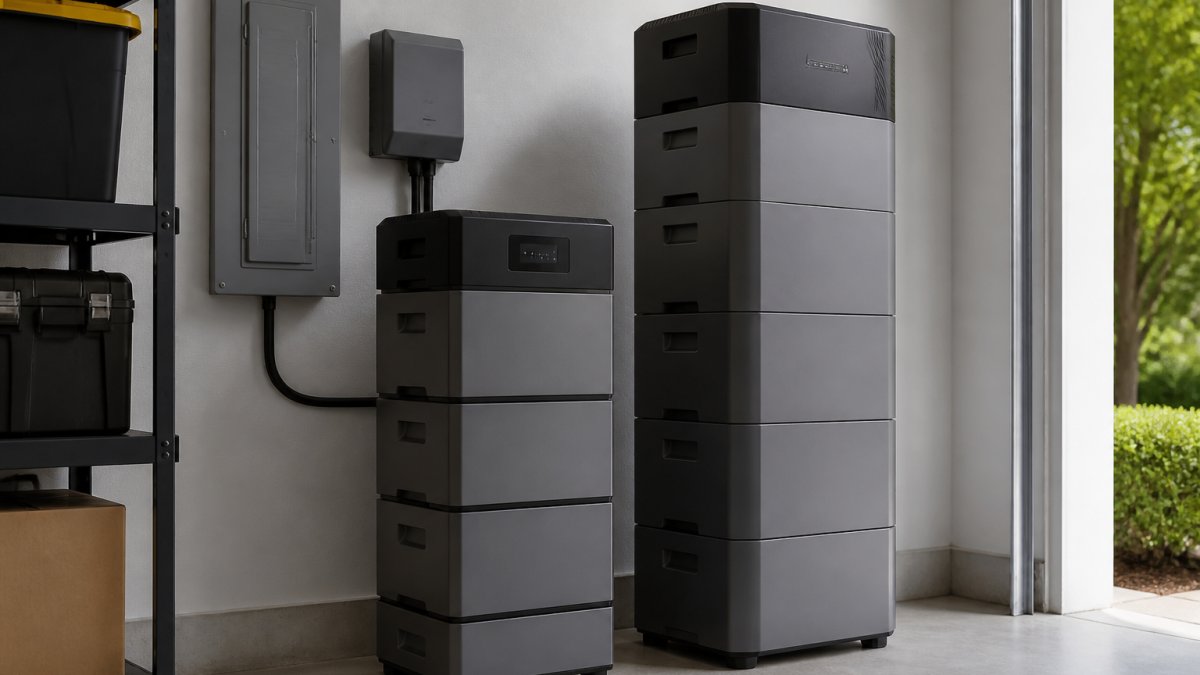
HomeGrid's Stack'd Series is a modular home battery built around lithium iron phosphate chemistry, which many buyers now prefer for its thermal stability and long cycle life. Modular means you add capacity in stacked units rather than replacing a single sealed box.
That flexibility cuts both ways. It makes incremental expansion possible as your needs grow, but typically adds installation complexity and cost compared with a single wall-mounted unit. The supplied sources confirm the chemistry and modular framing but do not state capacity, pricing, or warranty details, so we cannot compare it on those terms here.
If chemistry and expandability top your list, this is worth a serious look. If you want the simplest possible install, a single-unit design usually wins.
Generac PWRcell EX: Battery Storage From a Generator Name You Know
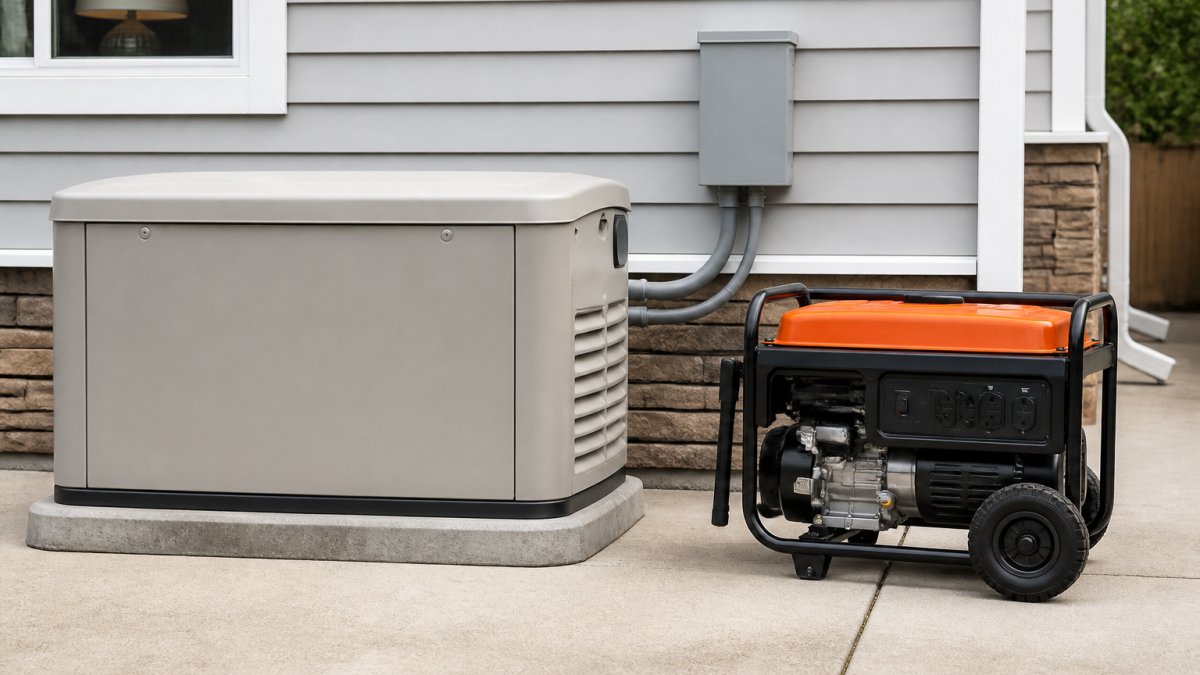
Generac's PWRcell EX shows up in alternatives coverage as a battery option from a company most homeowners already associate with standby generators. That brand familiarity is a genuine advantage: parts, service networks, and dealer support tend to be well established.
The practical appeal is ecosystem fit. If you already run Generac equipment or plan to pair battery storage with a standby generator, staying inside one product family can simplify service and monitoring. The supplied sources do not provide specifications, pricing, or warranty terms for the PWRcell EX, so we will not invent them.
Take our 60-second quiz for a free quote today! →
Here is the honest limitation: brand recognition is not a specification. Ask your installer for the continuous power rating, usable capacity, and warranty terms in writing before you sign.
EcoFlow DELTA Pro: Portable Power Station as a Backup Option
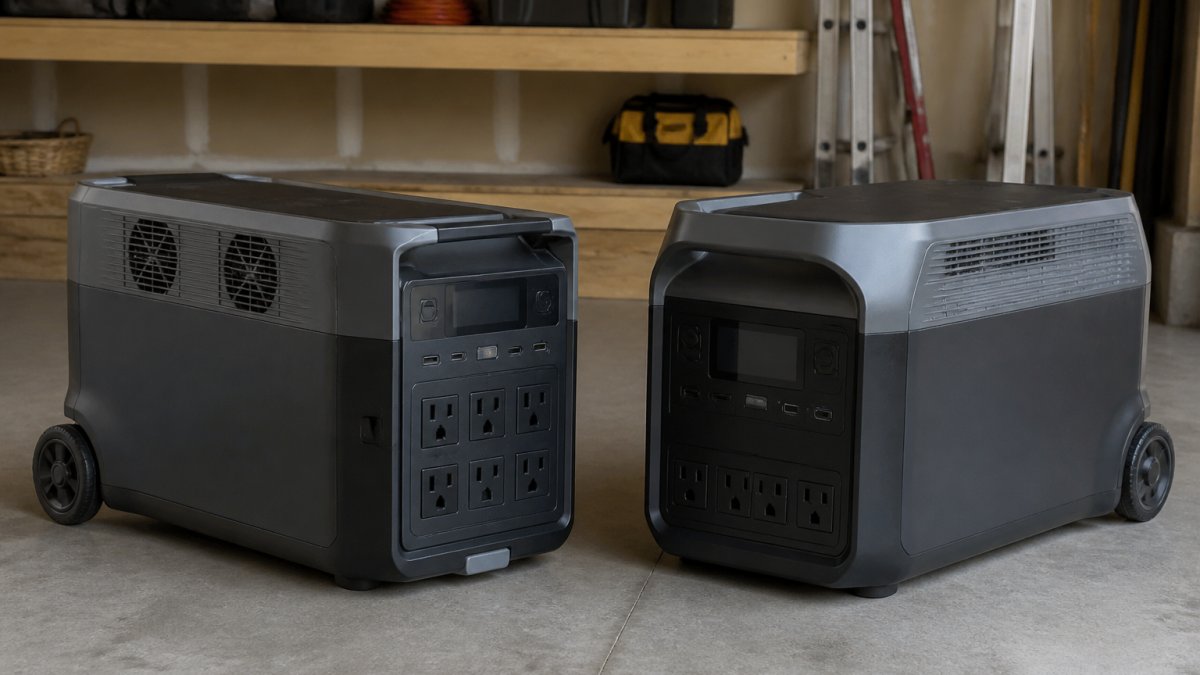
EcoFlow's DELTA Pro is a portable power station rather than a permanently wired home battery, and that distinction changes how you use it. It appears in alternatives coverage because it can back up essential loads, but it is not a whole-home solution the way a wall-mounted system is.
The trade-off is straightforward. Portability means you can move it to a job site, garage, or room where you need power, with no permanent electrical work. It also means limited capacity relative to a fixed battery, and it will not carry central air conditioning or an electric range.
For remote workers who need to keep a router, laptop, and monitor running through a storm, that may be enough. For a family protecting a whole house through an ice storm, it is not.
Home Battery Storage Capacity: What Actually Matters for Backup
Home battery storage capacity is the total energy a battery can hold, measured in kilowatt-hours, while usable capacity is the portion you can actually draw without damaging the battery or triggering a shutdown. Those two numbers are rarely identical.
Nameplate capacity is the headline. Usable capacity is what you get. Most manufacturers reserve a buffer at the top and bottom of the charge range to protect the cells, so a system advertised at a given figure may deliver noticeably less.
To size a system, list the loads you want to run and how long you need them:
- Refrigerator and freezer: continuous, low draw, high priority
- Internet router and modem: continuous, very low draw, critical for remote work
- Sump pump or well pump: intermittent, high surge draw
- Furnace blower: seasonal, moderate draw
- A few lights and phone chargers: continuous, minimal draw
Add those together, multiply by the hours you need, and you have a rough kilowatt-hour target. Then check that the battery's continuous power output can handle everything running at once.
Whole-Home Battery Backup: Matching Power Output to Real Household Loads
Whole-home battery backup means the battery can carry your entire electrical panel, not just a subpanel of selected circuits. That requires two things: enough continuous power output to run everything simultaneously, and enough usable capacity to run it for the duration you need.
Most homes do not need true whole-home backup. A better target for many families is essential-loads backup: a subpanel covering the refrigerator, furnace, internet, well pump, and a handful of outlets. That costs less and delivers most of the practical benefit.
Three questions decide the right system for your house:
- What is your peak simultaneous load, in kilowatts?
- How many hours do you need to cover?
- Do you have solar, or will you charge from the grid?
If you have solar, the battery can recharge during the day and extend coverage indefinitely in sunny weather. Without solar, you work from a fixed reserve, and duration becomes the binding constraint.
Middle Tennessee homeowners face a specific combination of risks: winter ice storms that take down lines for days and summer thunderstorms that knock out power in an afternoon. Generators of Nashville by Evolution Electric has installed backup power systems across the region since 2014, and our licensed electricians work with Generac generators, solar arrays, and home battery systems from EcoFlow, Anker SOLIX, and Jackery, including E4G whole-home backup configurations.
Frequently Asked Questions
What are the main alternatives to the Tesla Powerwall for home storage?
Several home battery systems compete directly with the Powerwall. The FranklinWH aPower 2 offers more capacity, while the HomeGrid Stack'd Series uses lithium iron phosphate chemistry in a modular format. The Generac PWRcell EX comes from a brand known for generators, and the EcoFlow DELTA Pro works as a portable power station for backup. Each option differs in capacity, power output, and whether it pairs with solar. A licensed installer can help you match one to your household loads and backup goals.
How much does a home battery backup cost compared to a Powerwall?
Home battery backup cost depends on capacity, whether you add solar, and the labor and permits your installation requires. Battery hardware is only part of the total, since wiring, a transfer switch, and professional installation add to the bill. Pricing varies by system size and your home's electrical setup, so the most accurate figure comes from a quote based on your specific loads. Ask for a breakdown that separates equipment from installation.
Can you add a home battery to an existing solar system?
Yes, you can add a home battery to an existing solar system, but the approach depends on your inverter. AC-coupled systems add a battery alongside your current inverter, which suits many retrofits. DC-coupled or hybrid setups connect the battery and panels through one inverter and often need more equipment changes. Your installer will check whether your existing inverter supports battery integration before recommending a path.
How long can a home battery power a house during an outage?
Backup duration depends on your battery's usable capacity and how much power your home draws. A system sized for essential loads like a refrigerator, internet router, and a few lights can last much longer than one running an air conditioner or electric heat. Home battery storage capacity is measured in kilowatt-hours, so a larger battery stretches runtime. Most homeowners prioritize critical circuits first, then expand capacity if they want more coverage.
Do home batteries work during a power outage without solar panels?
Yes, a home battery backup without solar works during an outage. The battery charges from the grid when power is available, then discharges to your home when the grid goes down. Without solar, you rely on stored energy only, so runtime is limited by capacity and load. For longer outages, pairing the battery with solar or a generator lets you recharge and extend backup time.