 How-to
7 Battery Backup Maintenance Costs Homeowners Must Budget For
Last Updated: November 22, 2026
Quick Summary
Battery backup maintenance costs are the recurring and one-time expenses that keep a home energy storage system safe, efficient, and within warranty. Recurring costs include an annual inspection, firmware updates, and filter or fan cleaning, while one-time repairs cover items like inverter failure or battery module replacement. Ask for the inspection price in writing before you buy the system.
- Lithium-ion and LiFePO4 batteries are sealed, so maintenance is mostly inspection and software.
- Flooded lead-acid needs water checks monthly in warm climates and quarterly in milder ones.
- Monthly owner checks take about 15 minutes and require no tools or opening enclosures.
- An annual professional inspection of a single-unit residential system takes about one hour per unit.
- Most manufacturers require documented service to honor a warranty claim.
Table of Contents
- What Battery Backup System Maintenance Costs Actually Cover
- Home Battery Storage Maintenance Cost by Chemistry and System Type
- A Step-by-Step Annual Maintenance Schedule
- How Home Battery Backup Lifespan Affects Long-Term Cost
- Home Battery Backup System Without Solar: Maintenance Differences
- Whole-House Battery Backup vs. Generator: Comparing Maintenance Costs
- Warranty Coverage, DIY Checks, and When to Call a Pro
- Getting a Maintenance and Installation Quote for Your Home
- Frequently Asked Questions
What Battery Backup System Maintenance Costs Actually Cover
Battery backup maintenance costs are the recurring and one-time expenses that keep a home energy storage system safe, efficient, and within warranty. The maintenance line item is small compared to the replacement cost you avoid by keeping up with it.
Most guides stop at the purchase price. That's the wrong number to budget around. A home battery is a 10-year asset with moving parts, software, and a warranty that depends on documented care.
Recurring Service vs. One-Time Repairs
Recurring costs are predictable: an annual inspection, occasional firmware updates, and filter or fan cleaning. One-time repairs are the wildcard, and they usually trace back to something a routine check would have caught.
- Recurring: annual inspection, monitoring subscription if offered, minor part replacement
- One-time: inverter failure, battery module replacement, electrical panel correction
- Hidden: labor premiums for emergency service calls after an outage
The split matters because recurring costs are budgetable and repairs are not. We'll show you how to keep the second category from growing.
Home Battery Storage Maintenance Cost by Chemistry and System Type
Home battery storage maintenance cost depends more on chemistry than on brand. The table below summarizes how each chemistry typically compares on service frequency and replacement outlook. Actual service costs depend on your equipment and system size, so your installer's written quote is the number that matters.
| System Type | Service Frequency | Typical Annual Service Cost | Replacement Outlook |
|---|---|---|---|
| Lithium-ion (NMC) | Annual | Low inspection fee; monitoring often included | Long service life, higher per-module replacement cost |
| LiFePO4 | Annual | Same as lithium-ion, fewer thermal checks | Longest cycle life of the three, similar module cost |
| Lead-acid (flooded or AGM) | Quarterly to biannual | Higher cumulative cost from more visits and consumables | Shorter life, lower per-unit cost, more frequent replacement |
Lithium-Ion and LiFePO4 Systems
Lithium-ion and LiFePO4 batteries are sealed. There is no water to top off and no acid to handle. Maintenance is mostly inspection and software, which is why the annual service line is the smallest recurring cost in the ownership budget for these systems. Because inspections and software updates keep this service line modest, homeowners comparing backup options can also budget for a generator service when weighing the upkeep of other standby systems.
The battery management system balances cells and reports state of charge, depth of discharge, and cycle life. Your job is to make sure those readings are accurate and the connections are tight.
Lead-Acid Systems
Lead-acid systems reward attention. Terminal corrosion, water levels, and sulfation are real risks, and a neglected bank loses usable capacity fast. Flooded lead-acid needs water checks monthly in warm climates and quarterly in milder ones; sealed AGM reduces the watering burden but is more sensitive to overcharging.
Lead-acid systems are not maintained like lithium systems. Budget for more frequent visits and a shorter replacement horizon.
How Chemistry Changes the Ten-Year Budget
The purchase price gets the attention, but the ten-year ownership number is where chemistry separates. Lithium and LiFePO4 systems typically place more of the cost into equipment, while lead-acid systems typically shift more cost into service and replacement. The right choice depends on how long you plan to stay in the home and how often the system will actually cycle.
For homeowners comparing a battery to a generator on total cost of ownership, our standby vs. portable generator comparison lays out the tradeoffs side by side.
A Step-by-Step Annual Maintenance Schedule
Most guides treat maintenance as a single annual event. In practice, battery backup maintenance needs three cadences: a quick monthly owner check, a deeper annual professional inspection, and a post-outage review after any event that drained the battery below its normal floor. Building the schedule around those three moments is what keeps a 10-year asset from becoming an 8-year one.
Monthly Owner Checks (15 Minutes, No Tools)
These are the tasks a homeowner can safely do without opening any enclosure or touching any conductor. Most manufacturers expect them, and documenting them strengthens a warranty claim later.
- Read the monitoring dashboard. Note state of charge, any active fault codes, and whether the system reported a self-test in the last 30 days.
- Look at the enclosure. Check for dust buildup on vents, insect or rodent activity near conduit entries, and any discoloration around the unit.
- Listen during a cycle. Unusual humming, clicking, or fan noise that wasn't there last month is worth a call.
- Confirm the backup circuits are still live. Trip and reset a critical circuit (a sump pump or refrigerator circuit is a common choice) to confirm transfer works.
- Log it. A dated note or photo in a shared folder is enough; many warranty departments accept owner logs as supporting documentation.
Annual Professional Inspection (About One Hour per Unit)
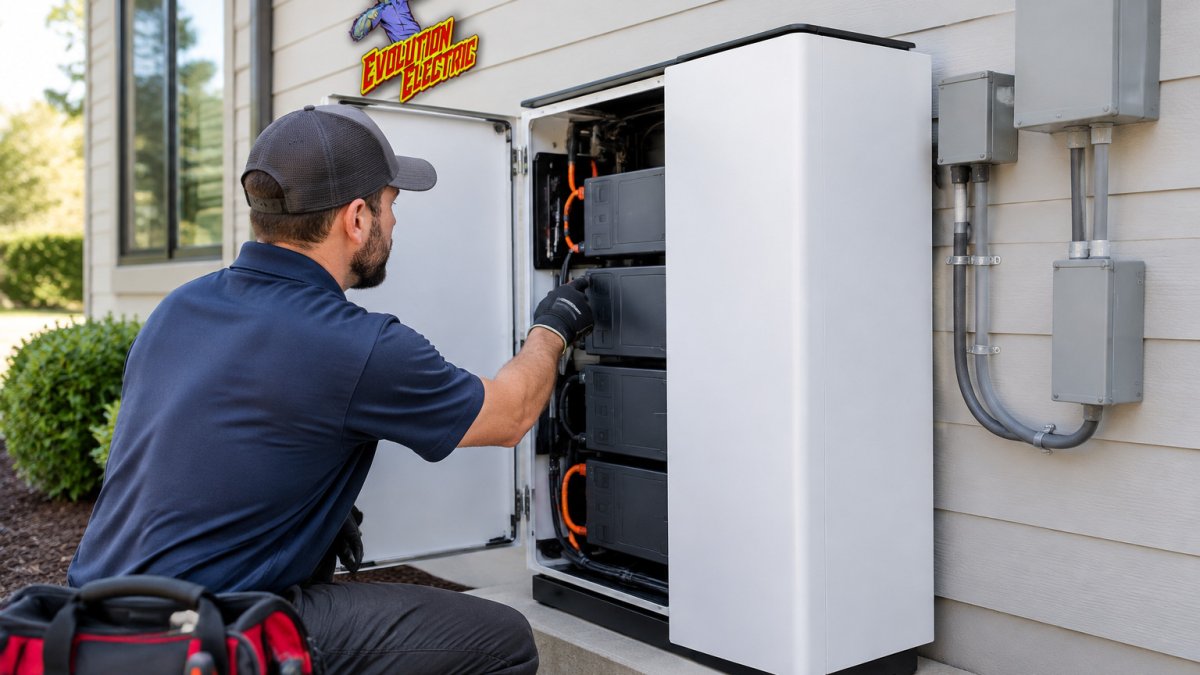
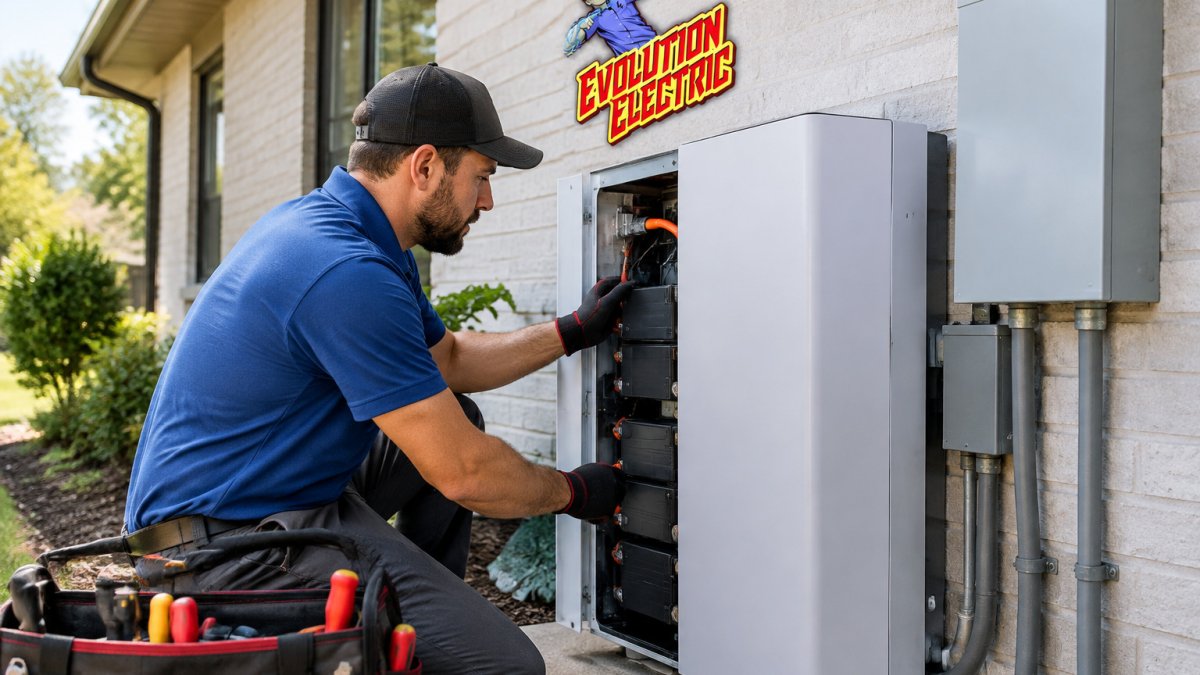
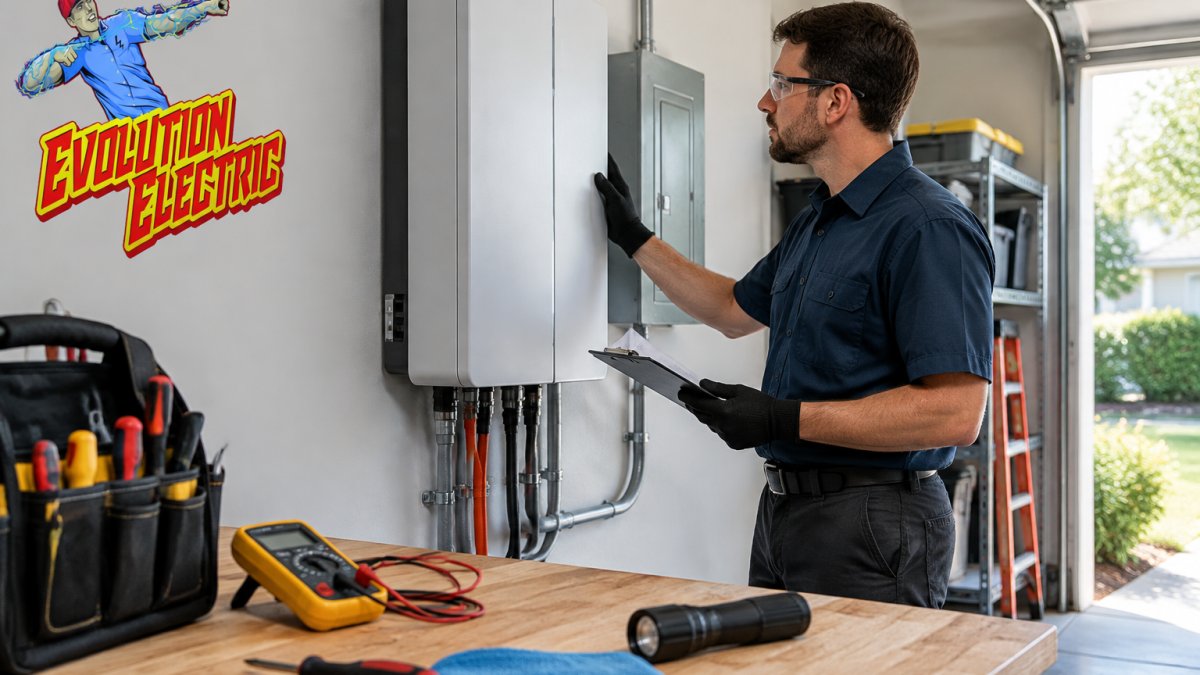
An annual inspection of a single-unit residential system is performed by a licensed electrician. The visit should include the following, and you should ask for a written report you can keep with your warranty file.
- Visual and thermal inspection: enclosure, mounting hardware, cable routing, and an infrared check for hot terminals.
- Connection torque check: terminal and lug tightness verified to the manufacturer's published spec, this is technician-only work.
- Battery health readout: state of health, depth of discharge history, cycle count, and any cell imbalance reported by the battery management system.
- Cooling system service: fan operation, vent clearance, and filter cleaning where the unit has one.
- Firmware and settings review: apply manufacturer updates that affect charging logic, and confirm the backup reserve setting still matches how the household uses the system.
- Backup load test: confirm critical circuits, including any sump pump backup, transfer correctly and that runtime matches expectations.
- Documentation: log readings, date the inspection, and file the report for warranty coverage.
Post-Outage Review (After Any Event Over Two Hours)
After a long outage, do three things: confirm the system recharged to its normal reserve, check the monitoring log for any fault that cleared on its own, and note the actual runtime you got versus what you expected. If runtime was noticeably shorter than the last outage of similar length, schedule a service call rather than waiting for the annual visit.
What the Schedule Costs
Ask for the inspection price in writing before you buy the system, not after the first year, since pricing depends on your equipment and service arrangement. If you're still deciding whether a battery needs routine care at all, our guide on whether home battery storage systems need regular maintenance answers that before you budget for it.
If you want to handle the simple checks yourself between visits, our guide on how to maintain solar battery systems step by step walks through the safe tasks.
How Home Battery Backup Lifespan Affects Long-Term Cost
Home battery backup lifespan is the single biggest lever on long-term cost. A longer-lasting system spreads its purchase price over more years, and maintenance helps protect that lifespan.
A battery pushed past its depth of discharge limit or run hot can degrade faster, so regular inspection helps protect the asset.
If you're weighing how long your unit will actually serve you, this breakdown of how long a home backup battery lasts covers the factors that move the number.
Home Battery Backup System Without Solar: Maintenance Differences
A home battery backup system without solar charges from the grid, and that changes the maintenance picture. There's no array to clean or inverter to service on the solar side, so the battery itself gets your full attention.
Grid-charged systems can cycle differently from solar-charged systems, and chemistries respond to charging patterns in different ways. Ask your installer how the charging schedule protects battery health in your setup.
For homeowners building a backup plan around outages rather than energy independence, our overview of backup power solutions for frequent outages explains sizing and choice.
Whole-House Battery Backup vs. Generator: Comparing Maintenance Costs
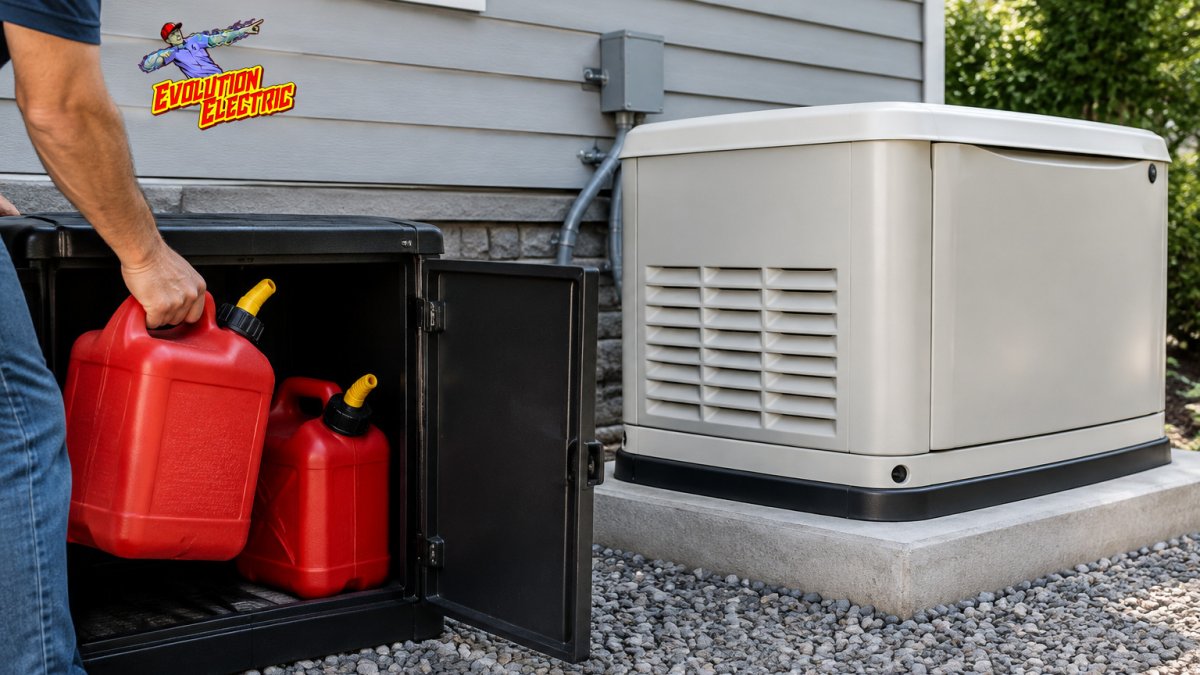
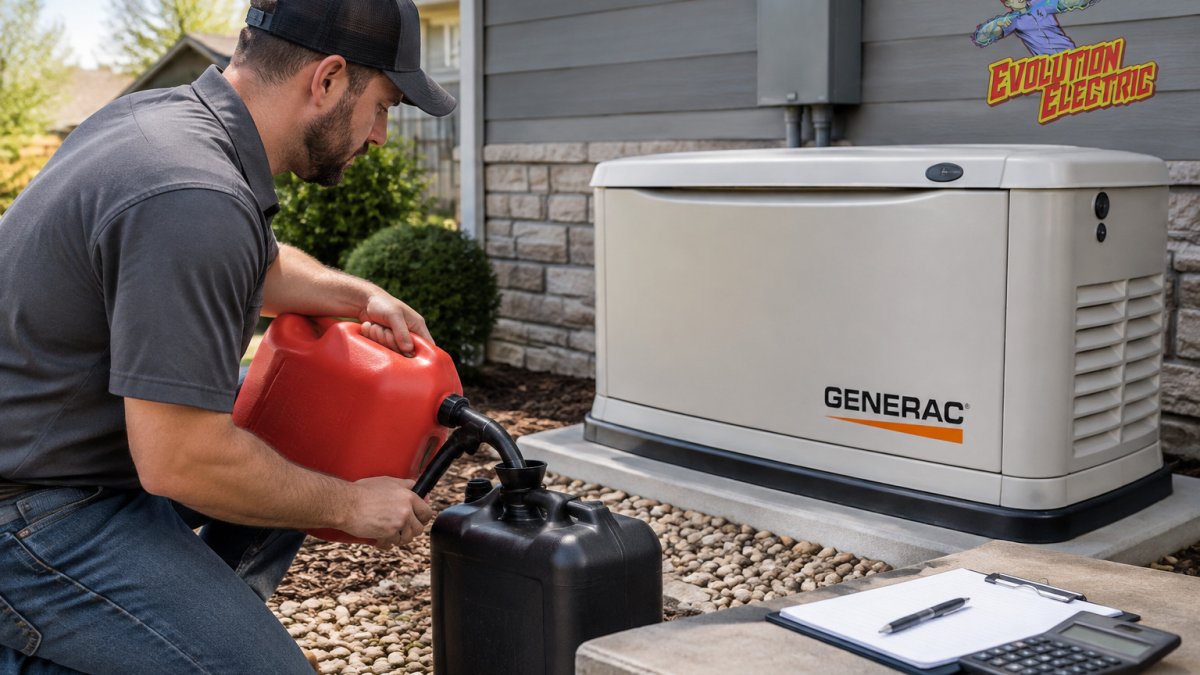
Whole-house battery backup and generators differ sharply on maintenance. A battery needs an annual inspection and almost no consumables. A generator needs oil, filters, fuel stabilizer, and exercise runs, and those add up every year.
Generators are often associated with longer runtime during extended outages, while batteries are often associated with quieter, hands-off operation. The right answer depends on how long your outages last.
Our licensed electricians can help you evaluate which option fits your home. Our standby vs. portable generator comparison lays out the tradeoffs side by side.
Warranty Coverage, DIY Checks, and When to Call a Pro
Warranty coverage is where maintenance costs and paperwork collide. Most manufacturers require documented service to honor a claim, and many exclude damage from unauthorized work.
DIY checks are fine for the safe items: visual inspection, clearing vents, and reading your monitoring dashboard. Anything involving the electrical panel, torque specs, or opening the enclosure belongs to a licensed electrician.
Getting a Maintenance and Installation Quote for Your Home
A maintenance and installation quote should itemize both numbers so you can see the true cost of ownership. Generators of Nashville by Evolution Electric uses licensed electricians and serves Middle Tennessee, with experience since 2014 installing Generac generators, solar arrays, and home battery systems from EcoFlow, Anker SOLIX, and Jackery.
The challenge is simple: most homeowners budget for the battery and forget the care that keeps it running. Generators of Nashville by Evolution Electric can size your system, install it, and keep it maintained with licensed electricians, authorized installation of EcoFlow, Anker SOLIX, and Jackery systems, and E4G whole-home backup options. Get started with Generators of Nashville by Evolution Electric and protect both your backup power and your warranty.
Frequently Asked Questions
How much does it cost to maintain a home battery backup system?
Annual maintenance costs vary by battery chemistry and system size. Lithium-ion and LiFePO4 systems generally need less frequent service than lead-acid, which requires periodic terminal cleaning and electrolyte checks. Professional inspections, monitoring subscriptions, and any replacement parts are the main recurring expenses. Because pricing depends on your specific equipment and system size, ask your installer for a written maintenance schedule and cost estimate before you buy.
What is the lifespan of a whole-house battery backup system?
Home battery backup lifespan depends on chemistry, depth of discharge, and cycle life. Lithium-ion and LiFePO4 batteries typically last longer than lead-acid and tolerate deeper discharges with less degradation. How often the system cycles during outages and how well it is maintained both affect usable capacity over time. A professional inspection can measure battery health and state of charge so you know when replacement is approaching.
Does a home battery backup system work without solar panels?
Yes. A home battery backup system without solar charges from the grid and discharges during outages. Maintenance is similar to a solar-integrated system, though you will not have solar production to offset charging costs. The battery management system, inverter, and monitoring still need periodic checks. Confirm with your installer how the system handles grid charging and whether any utility coordination is required.
How does whole-house battery backup vs. generator maintenance compare?
Generators need regular oil changes, filter replacements, and exercise runs, which add up as recurring service costs. Battery systems have fewer moving parts but still require inspections, monitoring, and eventual battery replacement. A whole-house battery backup vs. generator comparison should weigh annual service costs, fuel or charging costs, and replacement timelines, not just the upfront price. Ask for a long-term cost estimate for both options.