 comparison
Backup Power Solutions for Frequent Outages: Sizing, Cost, and Choice
Last Updated: November 11, 2026
Quick Summary
Backup power solutions for frequent outages usually work best as a home battery when interruptions are short and grid power returns between them, and as a generator when storms last days. Count your last several outages first, noting how often they happened, how long they lasted, and whether any passed 24 hours.
- Count your last several outages and note how long grid power returned between them.
- A battery recharges from the grid or solar between outages, so it suits short, frequent interruptions.
- A generator runs as long as fuel lasts, which makes it stronger for storms beyond a day.
- Size by converting each essential appliance into watt-hours, then add 20 to 30 percent for losses.
- Check continuous output as well as energy, since a well pump needs enough power to start.
Table of Contents
- Why Frequent Outages Call for a Different Kind of Backup
- Backup Battery vs. Generator: Which Fits Repeated Outages
- How to Size a Backup System by Appliance Wattage and Outage Length
- Best Home Battery Backup Without Solar
- Portable Generators for Long-Term Power Outages
- Battery Backup for Home Power Outages: Transfer Switches, Installation, and Maintenance
- Choosing Your Frequent-Outage Setup and Booking a Site Assessment
- Frequently Asked Questions
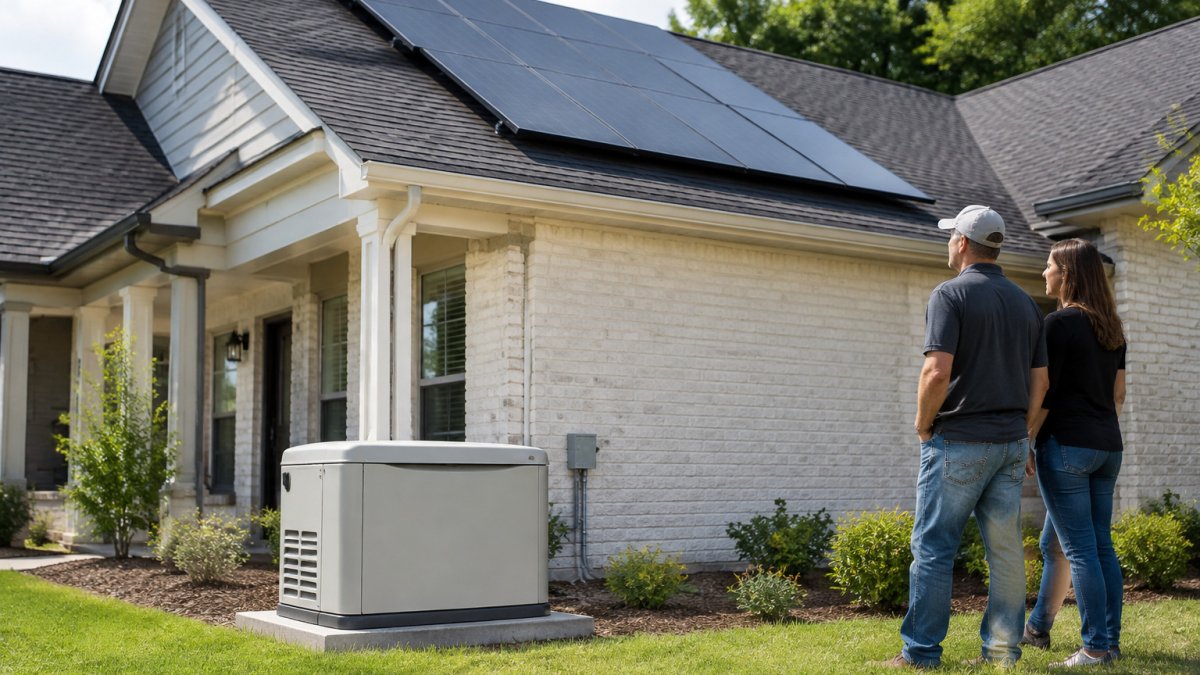
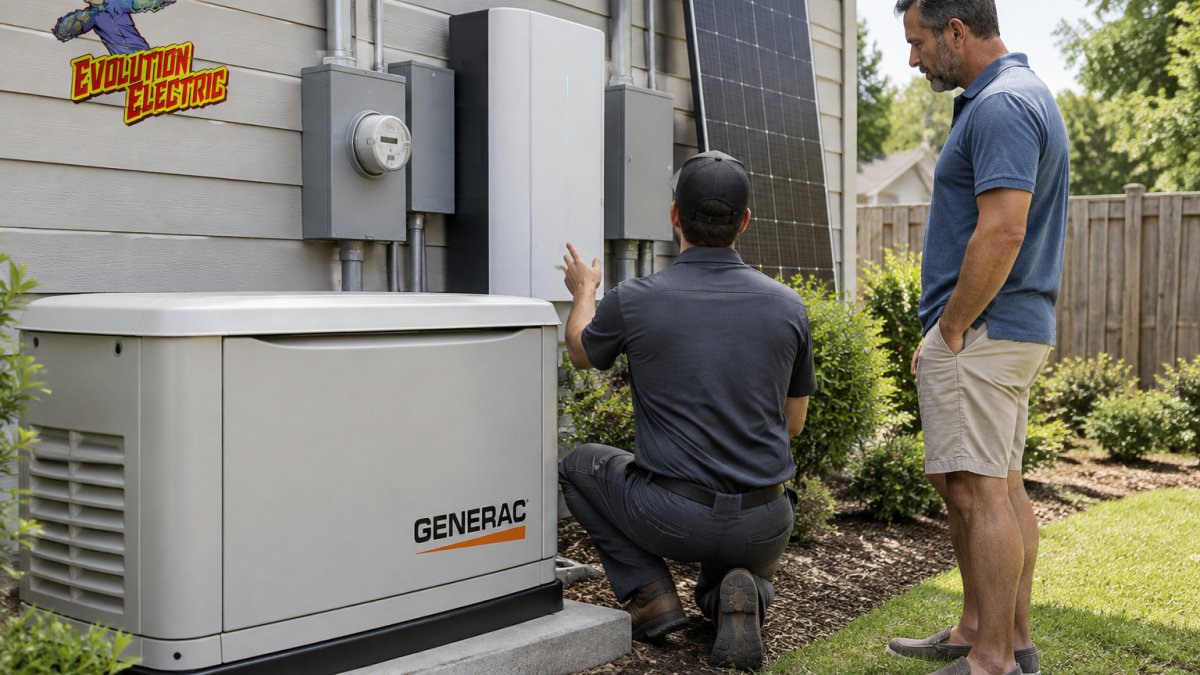
Frequent power outages change the math on backup power solutions. A generator that covers a rare storm is a different purchase from a system that has to carry a household through repeated outages across a single week, and that is where most homeowners in Middle Tennessee get stuck. Generators of Nashville, powered by Evolution Electric, installs Generac generators, solar arrays, and home battery systems for homeowners across the region. This guide covers how to size, price, and choose a backup power solution when the outages keep coming back.
U.S. Energy Information Administration outage data
Why Frequent Outages Call for a Different Kind of Backup
Backup power solutions for a rare outage and for frequent outages are not the same problem. A single outage asks one question: how long can the house run before the grid returns? Repeated outages add a second question: how quickly does the system recharge or refuel, and how much fuel or battery reserve do you have left after the last one?
A common mistake is buying for the longest outage you can imagine and ignoring the pattern you actually live with. If your power drops three or four times a year for a few hours each time, a small battery that recharges from the grid between events may serve you better than a large fuel tank that sits idle. If outages cluster during ice storms that last several days, runtime and fuel supply matter far more.
Start by counting your last several outages. Note how often they happened, how long each lasted, and whether any stretched past 24 hours. That history drives every decision that follows.
Backup Battery vs. Generator: Which Fits Repeated Outages
A battery and a generator both keep the lights on, but they fail in different ways when outages repeat. A battery is limited by stored energy and how fast it can recharge.
Recharge and refuel between events. A battery refills from the grid or from solar panels during normal power.
Runtime across a multi-day storm. A battery's runtime is fixed by its capacity and the load you put on it. Once the reserve is empty, it stays empty until the grid or solar returns.
Cost of ownership over several years. Purchase price is only the start. A battery system carries low routine maintenance but faces eventual replacement as capacity declines with cycling and age.
Reliability and maintenance. Batteries have few moving parts, but their life depends on temperature, depth of discharge, and cycle count, so capacity fades in ways that are hard to see until a test is run.
Noise, exhaust, and placement. A generator must run outdoors, away from doors and windows, because carbon monoxide builds up quickly indoors (the CDC). Noise can be a problem for neighbors and for you during a long run.
Choosing for your outage pattern. Short and frequent outages, with grid power returning between events, generally favor a battery, since recharge is automatic and every event is cheap to ride through.
The practical test is simple: count your last several outages, note how much grid time separated them, and check whether any lasted beyond 24 hours.
The table below sums up how each option handles repeated outages, based on the comparison above.
| Factor | Backup battery | Generator |
|---|---|---|
| Recharge or refuel | Refills from grid or solar between outages | Needs stored fuel; gasoline goes stale in weeks |
| Multi-day storms | Limited by stored reserve | Runs as long as fuel lasts |
| Long-term cost | Eventual replacement as capacity fades | Fuel, oil, filter service, and engine overhaul |
| Maintenance | Few moving parts; test capacity periodically | More failure points; needs periodic running |
| Placement | Silent; can be installed indoors | Must run outdoors away from doors and windows |
| Best fit | Short, frequent outages | Long, occasional outages |
How to Size a Backup System by Appliance Wattage and Outage Length
Sizing starts with a load list, not with the square footage of the house. The goal is to convert each appliance into watt-hours of energy you must store or generate, then compare that total against the system you are considering.
Step 1: Build the essential load list. Include refrigerator, freezer, furnace blower, well pump, modem and router, a few lights, and any medical device. Leave out items you can live without during an outage, such as electric dryers or dishwashers.
Step 2: Record running watts and starting surge. Running watts are on the appliance label or in the manufacturer's specification.
Step 3: Estimate average draw, not peak draw. A refrigerator compressor cycles on and off, so its average draw over an hour is well below its running figure.
Step 4: Convert to watt-hours for the outage window. Multiply the average load in watts by the hours you need to cover.
Step 5: Run the repeated-outage check. Sizing for one outage is not enough if the grid returns for only a few hours between events. A battery that delivers 4,500 watt-hours but refills only 1,500 watt-hours between storms will be depleted by the second event.
Watch out: Many homeowners size for lights and refrigeration, then learn that central air draws several thousand watts while running. If cooling matters to you, either size for it explicitly or accept a smaller, time-limited cooling plan.
When the arithmetic is finished, compare the usable watt-hours and the continuous output rating against your largest essential surge. Both numbers must clear their targets. A battery with ample energy but low continuous output will still fail to start a well pump.
Best Home Battery Backup Without Solar
A standalone home battery does not need a solar array. It charges from the grid during normal power and discharges during an outage. This approach works well if your outages are frequent and short and your grid is otherwise reliable between events.
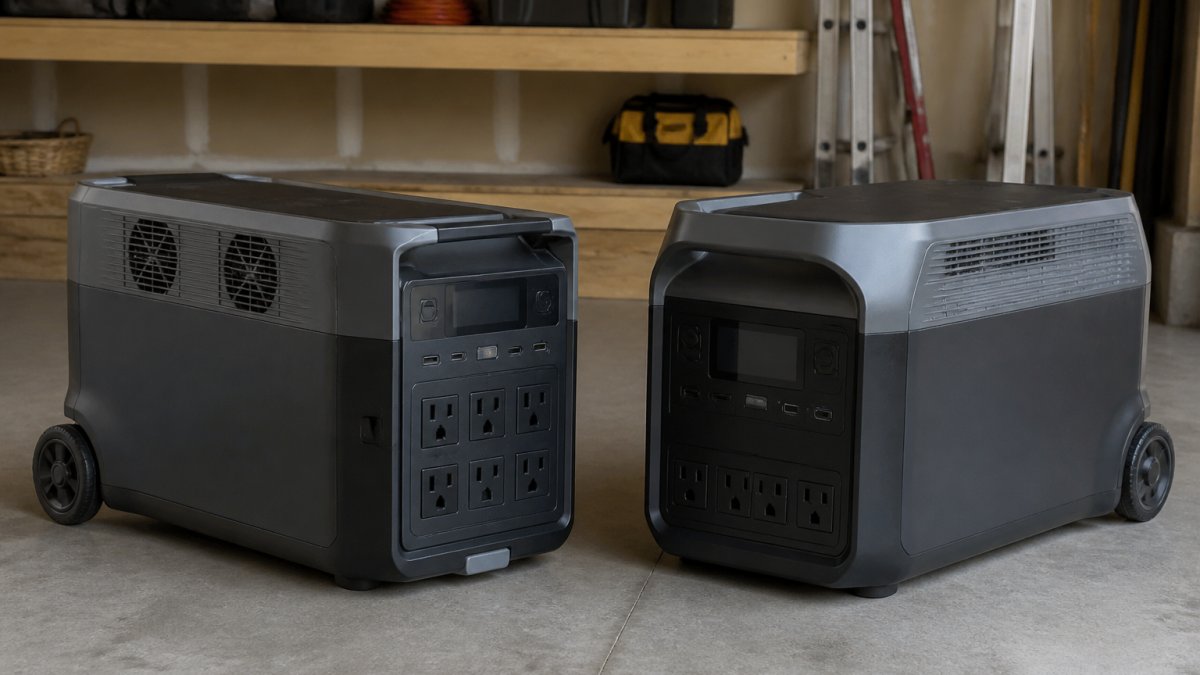
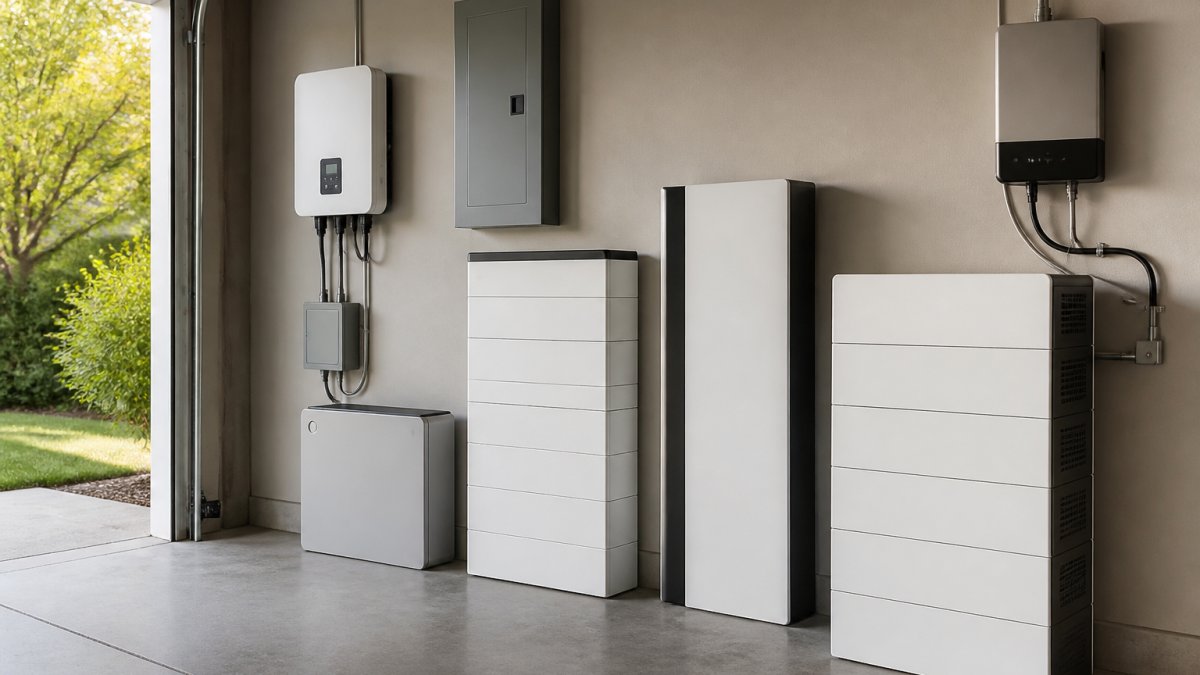
The main considerations are usable capacity, output power, and transfer speed. Check how much energy the battery can deliver, not just its nominal rating, and confirm that its continuous output covers your largest essential load. Whole-home battery systems are sized for longer coverage. Portable battery stations serve a few circuits or specific devices and cost less upfront.
Without solar, recharging depends on grid power being available. That is fine for short outages but limits the system during a long storm, since the battery cannot refill when the grid is down. If long outages are a real risk, plan for a second source such as a generator or solar charging.
Generators of Nashville works with Generac, EcoFlow, Anker SOLIX, and Jackery systems, so we can help you compare standalone battery options against your load list. See current whole-home battery storage costs to understand typical pricing before you request a quote. Pricing depends on capacity, the number of circuits covered, and installation scope, so request a site-specific quote from Generators of Nashville for current pricing.
Portable Generators for Long-Term Power Outages
A portable generator is the most flexible option for long outages, but it asks more of the owner. Compare standby and portable generators to see how the two differ for long outages. You start it, manage fuel, keep it outdoors, and connect it through a transfer switch or approved cords. Never run a portable generator indoors or in a garage, because carbon monoxide builds up quickly (Protect Your Family from Carbon Monoxide Poisoning).
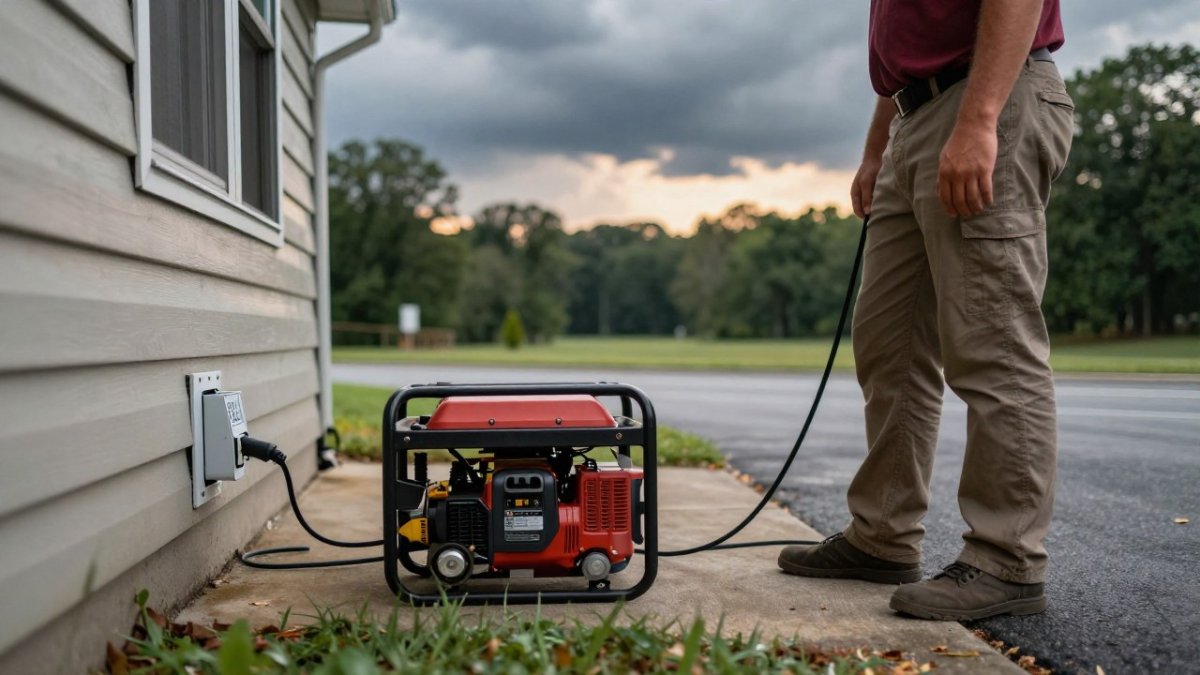
Fuel is the limiting factor. Gasoline goes stale in weeks unless treated, and a multi-day storm can exhaust a small tank quickly. Match the fuel type to what is reliable at your address.
Portable units suit households that need occasional long-duration power and can tolerate hands-on operation. They are less suited to people who need power without any action, such as someone working from home during a storm, because the switchover depends on the owner.
Battery Backup for Home Power Outages: Transfer Switches, Installation, and Maintenance
Any backup system that feeds your home wiring needs a way to isolate itself from the grid. Without that, power can flow back onto utility lines and endanger line workers. A transfer switch handles this isolation and controls which circuits receive backup power.
Automatic transfer switches detect an outage and move the load to the backup source. Manual switches require you to change the connection yourself. Electrical compatibility matters here: the system's voltage, phase, and amperage must match your panel, and some installations require a load-management plan so the system does not overload.
Installation should follow the National Electrical Code and local permitting requirements, which vary by jurisdiction. Licensed electricians handle the permits and inspections, which is also how you confirm the work meets code. Review battery backup installation requirements before booking a project. Ask who pulls the permit and who is responsible for inspection before work begins.
Maintenance affects reliability and service life. Batteries degrade with age and cycling, so expect capacity to decline over time and plan for replacement. Generators need oil changes, filter service, fuel-system care, and periodic load tests. Build a schedule and keep records, since reliability depends on equipment that starts when called.
Choosing Your Frequent-Outage Setup and Booking a Site Assessment
Start with your outage history, then size your essential loads, then choose between battery, generator, or a combination. A battery suits short and frequent outages. A generator suits long, occasional ones. A combined setup covers both, but costs more and needs more coordination.
Consider total cost of ownership, not just the purchase price. Battery systems carry low maintenance but face eventual replacement. Generators cost less upfront in many cases but add fuel, maintenance, and noise over their life. Solar charging can reduce long-run grid dependence but adds its own equipment and installation cost.
The fastest way to narrow the choice is a site assessment. A licensed electrician can review your panel, your load list, and your outage history, then recommend a setup that fits. Generators of Nashville, powered by Evolution Electric, has served Middle Tennessee homeowners since 2014 and can walk through these options for your home. Take our 60-second quiz to receive a free, personalized quote for your whole-home backup system, or book a site assessment to plan the setup in detail.
Frequently Asked Questions
What is the best backup source for a power outage?
The best source depends on outage length and what you need to run. Batteries respond quickly and run quietly, which suits short, frequent outages. Standby or portable generators are better when outages stretch across days, because they run as long as fuel lasts. Many Middle Tennessee homeowners pair a battery for immediate power with a generator for long events, but a licensed installer can confirm the right mix after reviewing your load.
Can a home battery backup work without solar panels?
Yes. A home battery backup can charge from the grid when power is on and then supply essential circuits during an outage. Solar is optional. Without panels, runtime depends entirely on battery capacity and how much you limit usage, so the sizing calculation matters more.
Is a standby generator or battery backup better for frequent outages?
For frequent but short outages, a battery system is usually the better fit because it switches on automatically and has no fuel to manage. Standby generators suit homes that lose power for long stretches and want whole-house coverage. Ask whether the system must carry central air conditioning, since that load is the biggest factor in sizing either option.
How long can a home battery backup power essential appliances?
Runtime is battery capacity divided by the load you draw, adjusted for inverter losses. A refrigerator, lights, a router, and phone charging draw far less than central air. Add up the wattage of the devices you want to keep running and divide the battery's usable watt-hours by that total. Your installer should run this calculation for your home before you buy.