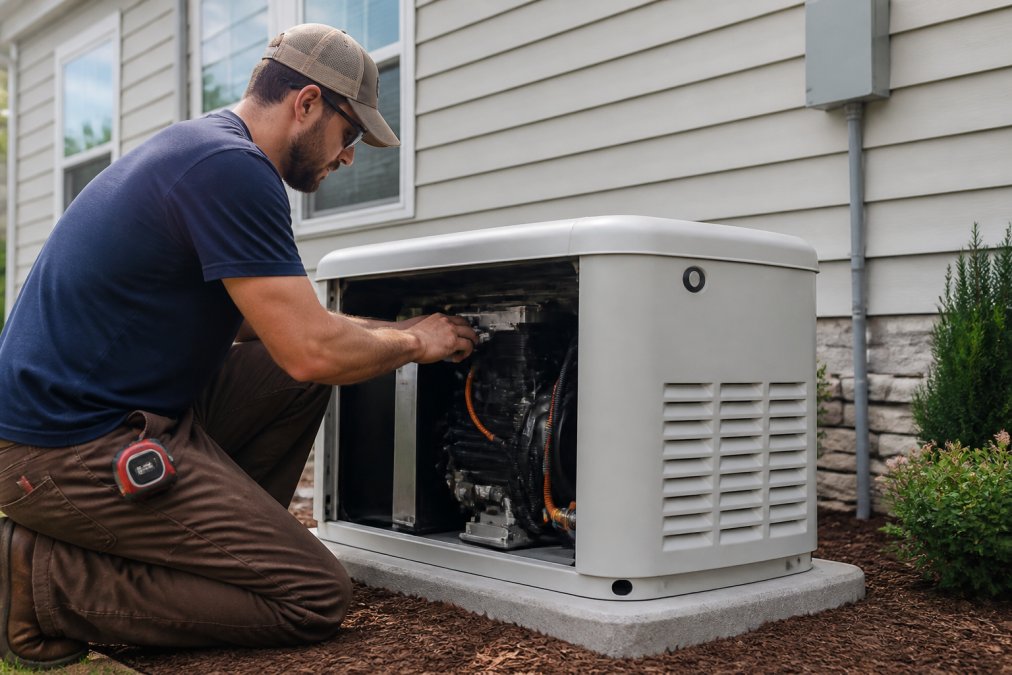
 ultimate-guide
Who Installs Generac in Tennessee: A Complete Guide
Table of Contents
- What to Look for in a Generac Installer
- How to Choose a Backup Power Installer
- Average Cost of Generac Generator Installation
- Backup Power Permitting Process
- Professional Installation vs. DIY
- The Installation Timeline and Process
- What Happens After Installation: Maintenance and Support
- Frequently Asked Questions
Last Updated: September 3, 2026
What to Look for in a Generac Installer
Finding the right professional to install your backup power system is the difference between a system that works when you need it and one that sits idle. Not all contractors who claim to install Generac generators are equally qualified. The credentials, certifications, and track record of your installer determine whether your whole-home power solution actually protects your family during an outage.
When evaluating who installs Generac in Tennessee, start by verifying three core qualifications: licensed electrician status, authorized dealer certification, and relevant experience with residential backup power systems. These aren't optional checkboxes, they're the foundation of a reliable installation.
Licensed Electrician Credentials
A licensed electrician has passed state exams and maintains current credentials through continuing education. In Tennessee, electricians must be licensed through the Tennessee Department of Labor and Workforce Development (tn.gov). This licensing requirement exists because improper electrical work creates fire hazards, electrocution risks, and code violations that can void your homeowner's insurance.
Ask potential installers for their license number and verify it directly with the state licensing board. A legitimate contractor will provide this without hesitation. Licensed electricians understand local building codes, know how to pull permits correctly, and can perform the electrical work required to connect your generator to your home's electrical panel safely.
Beyond basic licensing, look for electricians who specialize in residential backup power systems. Someone who installs generators regularly has encountered the common problems, knows the best practices for your climate, and can troubleshoot issues quickly if something goes wrong after installation.
Authorized Dealer Status
Generac maintains a network of authorized dealers who receive factory training, access to technical support, and the ability to honor manufacturer warranties. When you work with an authorized Generac dealer, you're not just hiring an electrician, you're getting someone backed by the manufacturer's resources and reputation.
Authorized dealers have completed Generac's training program and maintain that certification through ongoing education. They understand Generac's product lineup, can recommend the right generator size for your home, and know how to configure the automatic transfer switch that lets your generator take over during outages.
Generators of Nashville by Evolution Electric is an authorized Generac installer serving Middle Tennessee since 2014. Our licensed electricians have completed Generac's training and maintain current certifications, which means we can install your system correctly and handle warranty claims if needed.
When comparing installers, verify their authorized dealer status on Generac's official dealer locator. If a contractor claims to install Generac but isn't listed, that's a red flag.
How to Choose a Backup Power Installer
Choosing an installer involves more than picking the lowest bid. The right installer will assess your actual power needs, explain your options honestly, and design a system that protects what matters most to you without oversizing unnecessarily.
Site Assessment and Load Calculation
Before any equipment arrives, a qualified installer performs a site assessment and calculates your electrical load. This process determines how much power your home actually needs during an outage.
A proper load calculation examines your main electrical panel, identifies which circuits you want to keep running during an outage, and adds up the wattage of those devices. A whole-home generator that powers everything runs larger and costs more than a system that keeps essential circuits alive, your HVAC, refrigerator, water heater, and home office equipment.
The site assessment also evaluates whether your home can accommodate the generator physically. Installers check for adequate clearance from windows and doors, assess fuel line routing if you're using propane or natural gas, and determine the best location for the automatic transfer switch near your electrical panel.
This step separates professional installers from those who just show up with a generator and connect it. A thorough assessment means your system will be sized correctly, installed safely, and positioned for optimal performance during an outage.
Warranty and Service Support
Generator warranties typically cover parts and labor for a set period, often 5 to 10 years depending on the model (peer-reviewed research). But warranty coverage only matters if the company installing your system will be around to honor it.
Ask potential installers about their service and maintenance plans. Many offer annual tune-ups, filter replacements, and load testing to keep your system ready. Some provide remote monitoring that alerts them if your generator malfunctions, allowing them to address problems before an outage occurs.
Look for installers who can service what they install. If your generator needs repair two years after installation and the original installer is gone, you'll be stuck finding someone new who may not be familiar with how your system was set up. Generators of Nashville by Evolution Electric provides ongoing maintenance and support for systems we install, ensuring your backup power stays reliable year after year.
Average Cost of Generac Generator Installation
The total cost of a Generac installation depends on several factors beyond just the generator unit itself. Understanding what drives costs helps you evaluate quotes fairly and avoid being caught off guard by unexpected expenses.
Factors Affecting Installation Cost
Generator size is the primary cost driver. A 7-kilowatt system costs less than a 24-kilowatt whole-home generator. Larger systems provide more power but require heavier equipment, more complex electrical work, and potentially upgraded fuel lines.
Fuel source affects cost significantly. A natural gas generator connects to your existing gas line, which may be straightforward if your home already has gas service. Propane generators require a new propane tank and potentially additional site prep. Natural gas systems tend to cost less to install if your home has gas service already available.
Electrical work complexity varies by home. If your electrical panel is easily accessible and has space for the automatic transfer switch, installation is faster. Older homes with crowded panels or outdated electrical systems may require additional upgrades, increasing labor costs.
Permitting and inspection fees vary by jurisdiction. Some areas charge minimal permit fees while others charge more. Your installer should handle the permitting process and be transparent about these costs upfront.
Distance from the generator to your home's electrical panel matters. Longer runs of conduit and wiring cost more in materials and labor. Site preparation, removing trees, grading, pouring a concrete pad, adds to the total cost if your chosen location requires it.
For a detailed cost breakdown and personalized quote for your specific situation, Generators of Nashville by Evolution Electric offers a free assessment. Take our 60-second quiz to receive a customized quote based on your home's actual power needs and location.
Backup Power Permitting Process
Installing a generator legally requires permits and inspections. Skipping this step exposes you to fines, voids your homeowner's insurance coverage during outages, and creates safety risks. A qualified installer handles permitting as part of the job.
Electrical Permit Requirements
An electrical permit is required before any generator installation work begins (nfpa.org). The permit ensures that the installation meets current electrical codes and that an inspector will verify the work before you use the system.
Your installer applies for the electrical permit with your local building department, providing plans showing how the generator will connect to your home's electrical system. The permit application includes details about the generator size, the automatic transfer switch location, and the circuits that will be protected.
Permit costs vary but typically range based on the project scope. Your installer should quote this cost separately so you know exactly what permitting will add to your total investment.
Local Building Codes and Zoning
Tennessee communities have specific building codes governing generator installation. These codes address electrical safety, fuel storage, noise levels, and setback distances from property lines. A licensed installer knows your local codes and designs the installation to comply with them.
Take our 60-second quiz for a free quote today! →
Some neighborhoods have additional zoning restrictions. Homeowners associations may have rules about generator placement or appearance. Your installer should ask about these restrictions before finalizing the installation plan. vetting general contractors.
Building code compliance isn't just bureaucratic, it protects your home's safety and your ability to sell it later. A properly permitted and inspected installation adds value because future buyers know the system was installed correctly.
Professional Installation vs. DIY
Installing a backup power system involves electrical work, fuel line connections, and integration with your home's main electrical panel. This is not a DIY project for most homeowners, even those with electrical experience.
Professional installers carry liability insurance that protects you if something goes wrong during installation. They have the specialized tools needed to safely disconnect and reconnect your main electrical panel. They understand the automatic transfer switch logic that prevents your generator from backfeeding power into the grid, a serious safety hazard that can injure utility workers.
Attempting DIY installation voids manufacturer warranties, violates building codes, and creates liability if your installation causes injury or property damage. Insurance companies often deny claims if they discover unpermitted electrical work.
The cost difference between DIY and professional installation is smaller than many assume, especially when you factor in tool rentals, permit violations, and the risk of costly mistakes. Professional installation gives you peace of mind that your system will work when you need it.
The Installation Timeline and Process
Understanding the installation sequence helps you plan for the work and know what to expect at each stage.
Pre-Installation Site Assessment
The first step is a detailed site visit where your installer measures your electrical panel, evaluates generator placement options, and calculates your power needs. This assessment typically takes 1-2 hours and involves no disruption to your home.
During the assessment, your installer will ask about your priorities. Do you want whole-home backup power, or are you focused on keeping essential circuits running? Are you planning to add solar panels or battery storage later? These conversations shape the installation design.
The site assessment produces a detailed quote that breaks down equipment costs, labor, permitting, and any site preparation needed. A professional installer will explain the quote thoroughly and answer your questions before you commit.
Permitting and Inspection Phases
Once you approve the quote, your installer submits permit applications to your local building department. The permitting process typically takes 1-3 weeks depending on how busy your jurisdiction is.
During permitting, the building department reviews your installation plans to ensure they meet code. They may request revisions or clarifications. Your installer handles these communications and resubmits if needed.
Once the permit is approved, a construction start date is scheduled. Before any work begins, your installer will confirm site access, identify where underground utilities are located, and finalize the installation timeline with you.
Electrical and Gas Line Work
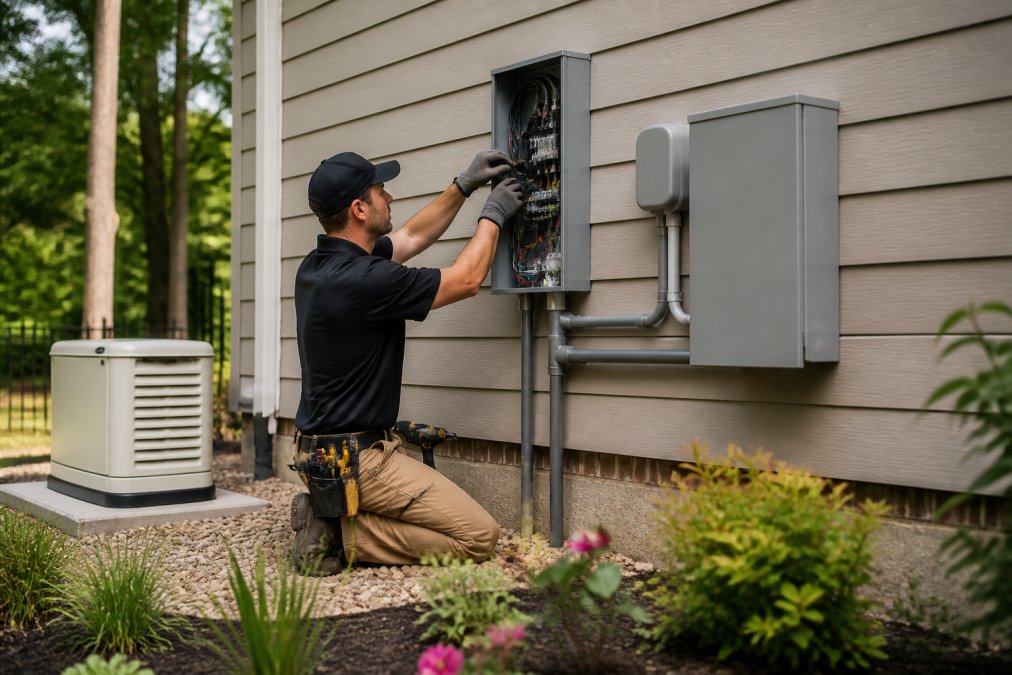
The actual installation begins with electrical work. Your installer will shut off power to your main panel, install the automatic transfer switch, run conduit and wiring from the switch to the generator location, and make all electrical connections. This phase typically takes 1-2 days depending on complexity.
If your generator uses natural gas, your installer coordinates with a licensed gas fitter to connect the gas line from your meter to the generator. Propane installations involve positioning the propane tank and running fuel lines.
During this phase, your home's main power will be off for several hours while electrical connections are made. Your installer will schedule this work at a time that minimizes disruption to your household.
Final Testing and Handoff
Once all connections are complete, your installer performs comprehensive testing. The generator is started, load testing confirms it produces the required power, and the automatic transfer switch is tested to verify it switches to generator power correctly during a simulated outage.
Your installer will walk you through the system operation, explain maintenance requirements, and provide documentation including the generator manual, warranty information, and permit records. A final building inspection verifies the installation meets code, and the permit is closed.
At this point, your system is ready to protect your home. Most installations are complete within 3-5 business days from start to finish, though this varies based on permitting timelines and site complexity.
What Happens After Installation: Maintenance and Support
A generator installation isn't the end of the relationship, it's the beginning. Regular maintenance keeps your system ready to operate when an outage occurs.
Annual maintenance typically includes an oil and filter change, spark plug inspection, fuel system cleaning, and a load test that confirms the generator starts and produces full power. Many installers offer maintenance plans that schedule these services automatically.
Remote monitoring systems can alert your installer if your generator experiences problems, allowing them to address issues before an actual outage. Some systems track runtime, fuel consumption, and maintenance schedules, giving you visibility into your backup power system's health.
When you choose who installs Generac in Tennessee, you're choosing a long-term partner. Generators of Nashville by Evolution Electric has been serving Middle Tennessee homeowners since 2014. We provide ongoing maintenance, emergency support, and the expertise to keep your backup power system reliable through severe weather and extended outages.
Choosing the right installer for your backup power system is one of the most important decisions you'll make to protect your home. The installer you select determines whether your generator works reliably when you need it, whether your installation complies with local codes, and whether you receive ongoing support if problems arise. Generators of Nashville by Evolution Electric brings licensed expertise, authorized dealer status, and years of experience installing Generac systems throughout Middle Tennessee. We handle permitting, provide transparent pricing, and offer maintenance plans that keep your system ready. Take our 60-second quiz today to receive a free, personalized quote for your whole-home backup power solution.
Frequently Asked Questions
Q: How do I verify if a Generac installer is licensed and insured?
A: Ask the installer for proof of their electrical license issued by your state's licensing board and current liability insurance. Licensed electricians must display their credentials. Request references from recent installations and check online reviews. A reputable authorized Generac dealer will provide this information without hesitation and can explain their certifications.
Q: What's the average cost of Generac generator installation?
A: Installation costs vary based on your home's electrical load, generator size, fuel source, and local permitting requirements. The total cost includes the unit itself, transfer switch installation, electrical wiring, fuel line connections, and permits. A professional site assessment determines your specific needs and provides an accurate quote. Contact a local authorized dealer for a free estimate tailored to your home.
Q: What should I expect during a professional generator site assessment?
A: During a site assessment, a certified technician evaluates your home's electrical system, identifies the best generator placement, calculates your kilowatt capacity needs, and reviews local building codes and zoning regulations. They'll discuss fuel options (natural gas or liquid propane), determine transfer switch requirements, and assess any obstacles like gas line routing. This assessment ensures your backup power system is properly sized and compliant with all regulations.
Q: How long does the entire Generac installation process take?
A: The timeline depends on permitting, site conditions, and system complexity. Typically, the process spans 2-4 weeks from initial assessment to final inspection. This includes obtaining electrical permits, scheduling inspections with your local building department, performing the actual installation (usually 1-3 days on-site), and final testing. Your installer should provide a detailed timeline upfront so you know when to expect each phase.