 blog
7 Quiet Standby Generators for Residential Neighborhoods
Last Updated: October 30, 2026
Quick Summary
The quiet standby generators worth considering for a residential neighborhood are permanently installed units with published sound ratings in the low-to-mid 60s dB(A) at 23 feet, such as the Generac Guardian 10kW and 14kW. Compare ratings only at the same stated distance, because placement near a neighbor's window often matters more than the spec sheet.
- Compare published dB(A) figures only when the measurement distance and load condition are the same.
- The Generac Guardian 10kW is rated in the low 60s dB(A) at 23 feet and suits smaller homes and tight lots.
- A 10kW air-cooled unit 20 feet from a neighbor can be heard less than a 26kW liquid-cooled unit 8 feet away.
- Ask installers for an itemized quote covering the transfer switch, fuel line, pad, electrical work, and permits.
- Keep the unit away from bedroom windows and avoid walls that reflect sound toward neighbors.
Table of Contents
- Why Noise Matters More for a Standby Generator Than a Portable One
- How We Compared the Seven Quietest Standby Generators
- The 7 Quiet Standby Generators Compared
- How to Size a Whole House Generator Without Overbuying
- What a Standby Generator Installation Really Costs
- Generator Placement to Reduce Noise at Your Property Line
- Booking Your Quiet Standby Generator Quote in Middle Tennessee
- Frequently Asked Questions
Quiet standby generators are rated for low operating noise, but the numbers on the spec sheet rarely tell the full story for a home on a shared lot. Generators of Nashville, powered by Evolution Electric, installs whole-home backup systems across Middle Tennessee, and noise is a common concern for neighbors when a unit goes in. This guide ranks the quiet standby options we would consider for a residential neighborhood and explains how to judge them beyond the marketing claims.
Why does this matter now? Outage frequency and the number of homes adding backup power are rising in many areas, so more of these units are being installed close to property lines. A standby generator runs for long stretches during storms and can keep running until utility power returns. That makes its sound a neighborhood issue, not just a homeowner issue.
Why Noise Matters More for a Standby Generator Than a Portable One
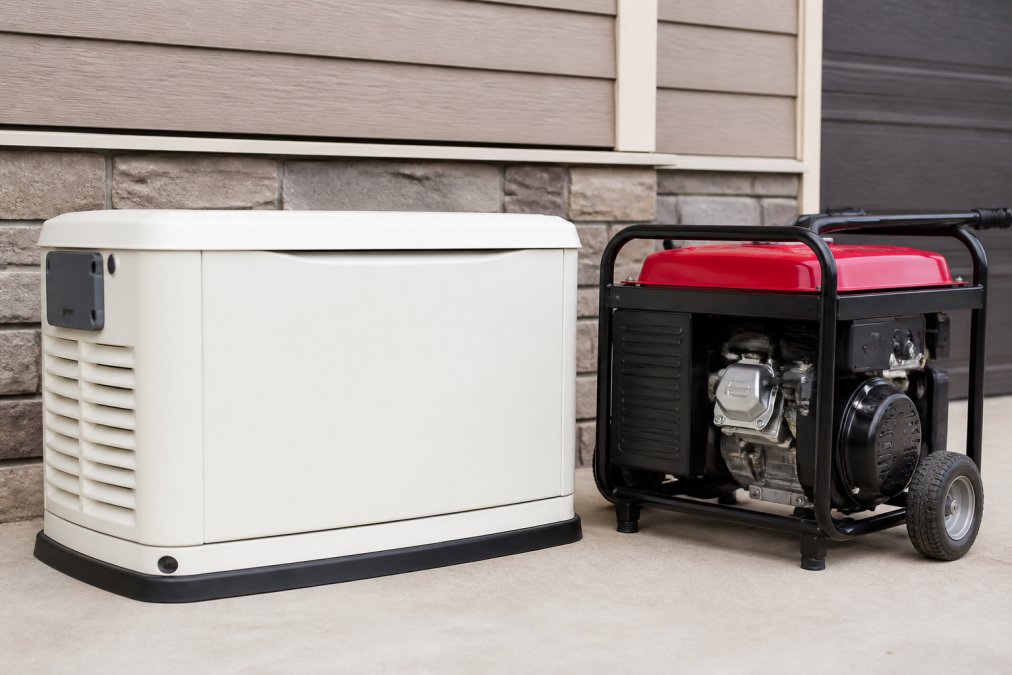
A standby generator is permanently installed, usually on a concrete pad beside the house, and starts automatically when utility power fails. A portable unit is moved, placed a distance away, and run only when someone chooses to. The standby unit sits in one spot for years, so its sound is part of the home's daily environment.
Runtime is the other factor. During a multi-day ice storm, a standby unit may run for hours at a stretch. Neighbors who tolerated a short portable run may not tolerate that. Plan for the unit being heard, not just for it being installed.
How We Compared the Seven Quietest Standby Generators
A useful comparison narrows the field to true standby models, not portable or apartment units, and weighs the factors a homeowner will feel: sound rating, enclosure design, power output for a typical household, and how well the unit suits a residential lot. Where a manufacturer publishes a decibel rating, we note the distance it was measured at, because a rating taken at seven meters is not comparable to one taken at one meter.
Installation constraints also matter. A quieter enclosure does little if the mounting location reflects sound toward a neighbor's bedroom window, so both the unit and its typical placement should be considered.
The 7 Quiet Standby Generators Compared
The units below are permanently installed standby generators, not portable inverters. Sound figures are manufacturer-published dB(A) ratings at normal load, with the measurement distance stated wherever the manufacturer provides it.
1. Generac Guardian 10kW air-cooled (model 7172). The smallest Guardian in the lineup and the one most often specified for essential-circuit backup.
2. Generac Guardian 14kW air-cooled (model 7223). A step up in output with the same enclosure family. Expect a published rating in the mid-60s dB(A) at 23 feet at normal load, rising under a full house load.
3. Generac Guardian 18kW air-cooled (model 7043). The largest air-cooled Guardian most dealers install in a residential neighborhood. Published sound is in the upper 60s dB(A) at 23 feet at normal load; under a full load it is noticeably louder than the 10kW.
5. Kohler 20RCA air-cooled. The 20kW air-cooled Kohler is the largest air-cooled unit most neighborhoods will see. Published sound is in the upper 60s dB(A) at 23 feet at normal load.
6. Cummins RS20A air-cooled. Cummins publishes sound in the upper 60s dB(A) at 23 feet at normal load for its 20kW air-cooled residential unit.
**7. Integrating these robust power solutions alongside renewable infrastructure requires careful planning, so consider these battery-ready solar facts before finalizing your home energy strategy.
Feature Comparison Table
| Model | Output | Published sound (dB(A), normal load) | Measurement distance | Fuel | Typical residential fit |
|---|---|---|---|---|---|
| Generac Guardian 10kW (7172) | 10kW | Low 60s | 23 ft | NG or LP | Small homes, tight lots |
| Generac Guardian 14kW (7223) | 14kW | Mid 60s | 23 ft | NG or LP | Typical suburban home with one AC |
| Generac Guardian 18kW (7043) | 18kW | Upper 60s | 23 ft | NG or LP | Larger home, whole-house with load shedding |
| Kohler 14RCA | 14kW | Mid 60s | 23 ft | NG or LP | Same class as Guardian 14kW |
| Kohler 20RCA | 20kW | Upper 60s | 23 ft | NG or LP | Large home, generous side yard |
| Cummins RS20A | 20kW | Upper 60s | 23 ft | NG or LP | Large home, third-brand comparison |
| Liquid-cooled (Protector / 26RCA class) | 22-26kW | Low-to-mid 60s | 23 ft | NG or LP | Large home, noise-sensitive lot |
Generac Guardian sound and specification data Kohler residential generator specifications
How to Size a Whole House Generator Without Overbuying
Sizing starts with the loads you truly need to power during an outage. Add up the wattage of central air, well pump, refrigerator, and key circuits. Starting loads, especially for compressors and pumps, are higher than running loads, so the unit must be able to handle that surge.
Oversizing is a common mistake. A larger unit can cost more, use more fuel, and sometimes run at lighter loads in a way that is less efficient. We recommend a load calculation rather than guessing. Ask your installer to show how the numbers were derived.
What a Standby Generator Installation Really Costs
The number that actually matters is the total installed cost, and it is usually well above the sticker.
Take our 60-second quiz for a free quote today! →
Equipment. Equipment cost depends on output, brand, and whether a transfer switch is bundled. Liquid-cooled units in the 22kW-26kW class typically run higher. For current pricing, request a quote from Generators of Nashville by Evolution Electric.
Automatic transfer switch (ATS). A service-rated ATS sized to the home's service is typically a separate line item unless the package bundles it.
Concrete pad and site prep. A leveled, reinforced pad, plus grading and any needed retaining work on a sloped lot.
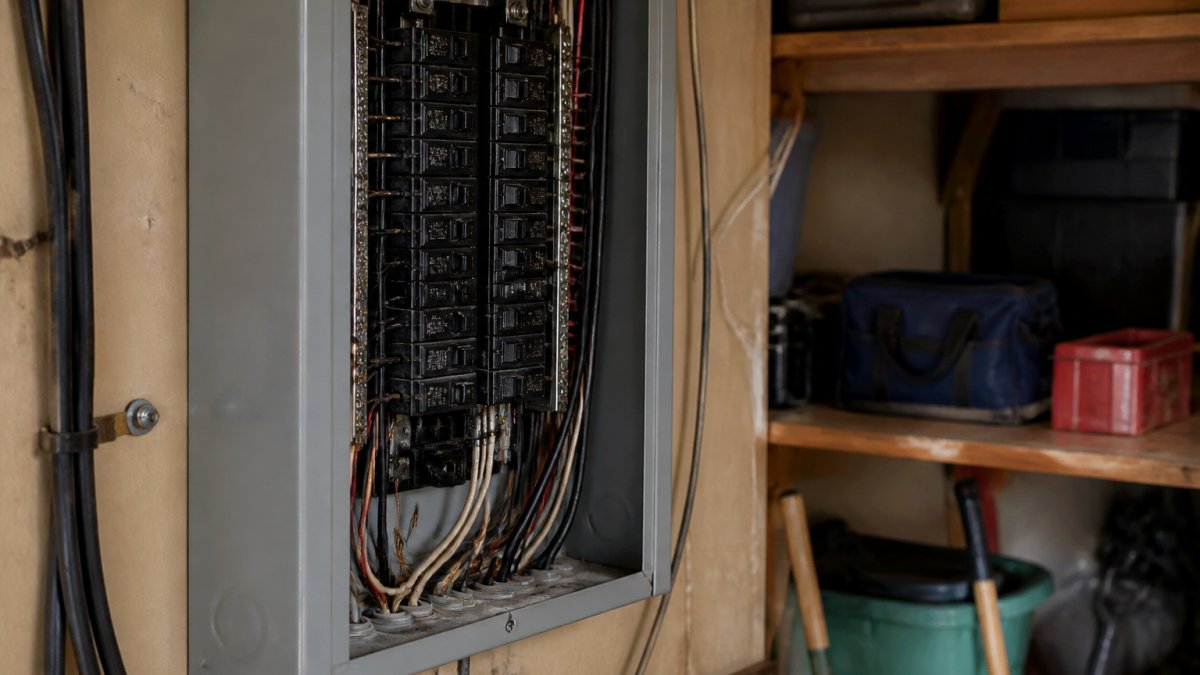
Electrical work. Conduit, conductors, grounding, and the labor to tie the ATS into the service panel. Longer runs from the pad to the panel add cost quickly.
Fuel-line work. Natural gas requires a dedicated line sized for the unit's demand, often a larger meter or a regulator upgrade from the utility.
Permits and inspection. Electrical and gas permits, plus the inspection cycle, vary by jurisdiction. Budget for the permit fees and for the time the inspection adds to the schedule.
Labor and commissioning. Startup, load testing, and owner walkthrough. A reputable installer will not skip this.
Ongoing costs. Budget for annual maintenance, oil, filters, plugs, and a load-bank or exercise-cycle check, and for the fuel the unit burns during its weekly exercise and during outages. Natural gas units draw from the utility meter; propane units draw down the tank, so tank size and refill logistics matter in a multi-day outage.
Where the total lands. A typical air-cooled essential-circuit install and a whole-house liquid-cooled install can differ by more than the equipment price alone, because the ATS, fuel line, and electrical scope scale with the unit.
What to expect during a home standby installation
Generator Placement to Reduce Noise at Your Property Line
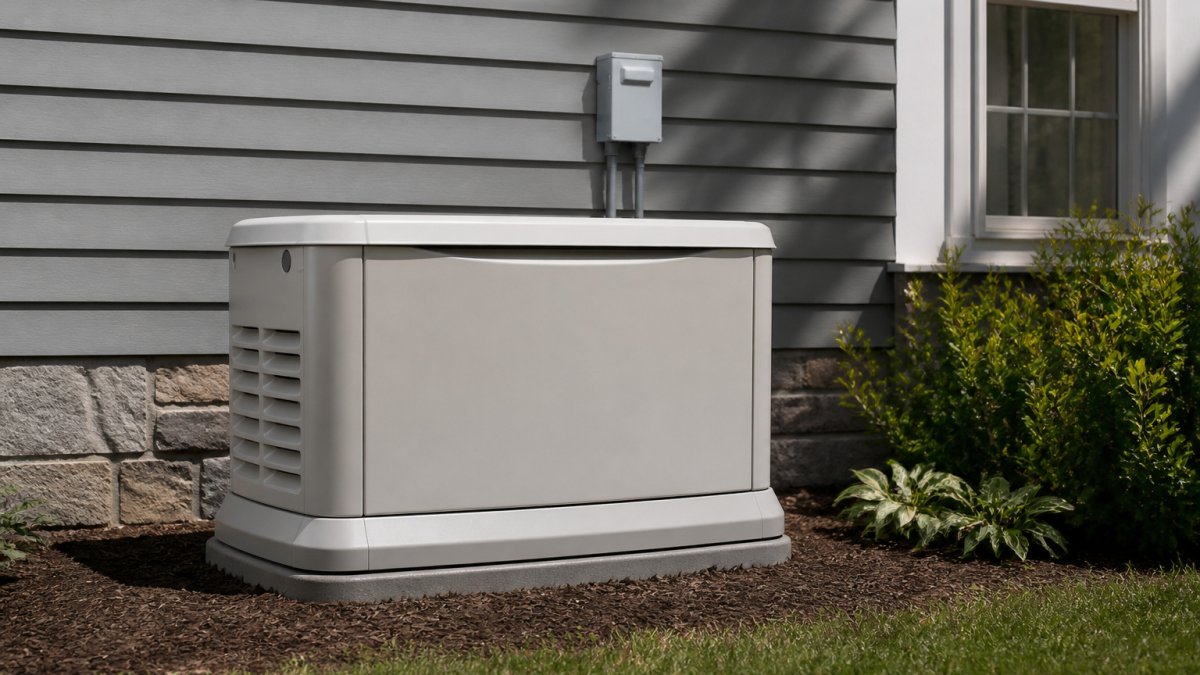
Placement often reduces sound more than the choice of model. Keep the unit as far as practical from bedroom windows on neighboring homes. Avoid mounting it directly against a wall that reflects sound toward a neighbor. A privacy fence, shrubs, or a masonry screen can break the line of sight without blocking the airflow the unit needs.
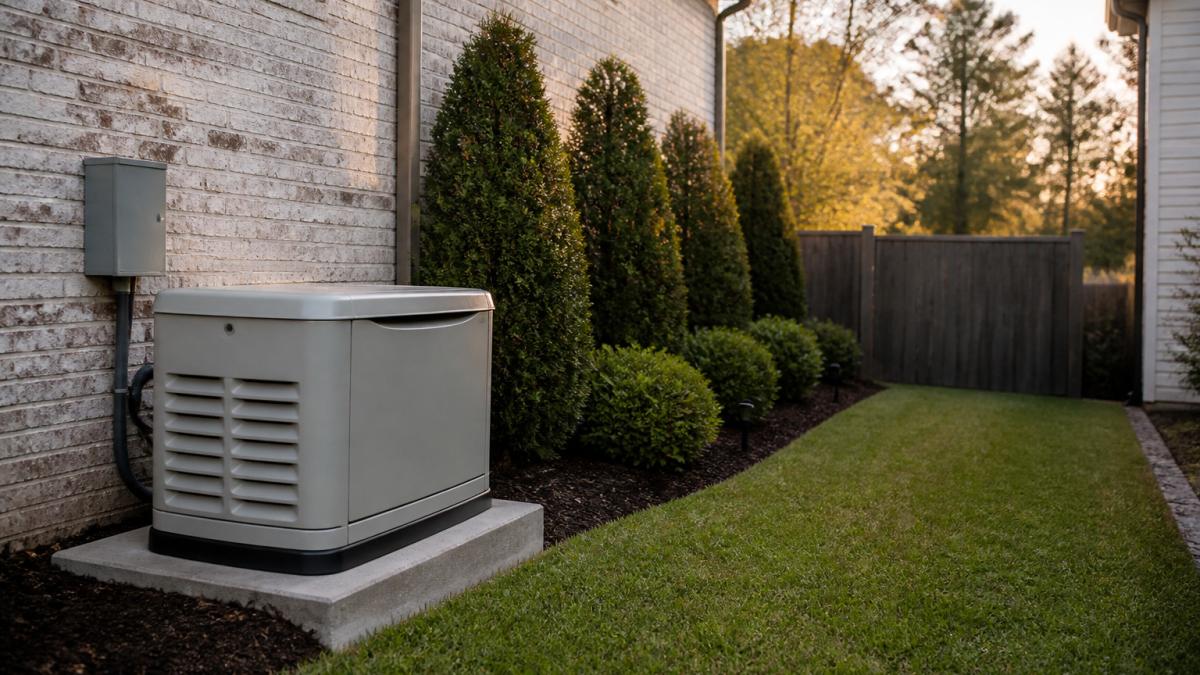
Maintain clearance around the enclosure for ventilation and service access. A unit that is boxed in can run hotter and louder.
Booking Your Quiet Standby Generator Quote in Middle Tennessee
If you are ready to discuss options for your home, you can start a quiet standby generator quote with our licensed team. Generators of Nashville by Evolution Electric can review your lot and loads before recommending a unit. The short free quote quiz is a fast way to begin.
For help budgeting the work, read what a standby generator installation really costs before you request figures. To understand the difference in use and placement, see standby versus portable generators for home use. If you are sizing a whole-house unit, our generator sizing guide walks through the method step by step, and our installation timeline overview explains what to expect from start to finish.
Frequently Asked Questions
What is the 80% rule for generators?
The 80% rule is a common sizing guideline that says a generator should be loaded to no more than about 80% of its rated continuous capacity to leave headroom, reduce wear, and handle the surge when a large motor such as an air conditioner compressor starts. For a standby unit, this means adding up the running watts of the circuits you plan to back up, then choosing a model whose continuous rating is comfortably above that total. A licensed installer can check the numbers against your actual panel and appliances before you commit to a model.
Are standby generators loud enough to bother neighbors?
Most standby generators produce noise in the range of roughly 50 to 70 decibels at a distance of about 23 feet, depending on the model, load, and enclosure design. That is comparable to a normal conversation or a running dishwasher, but it can carry at night, especially if the unit sits close to a property line. Placement, a well-designed sound enclosure, and the quietest model you can justify for your load all reduce the impact on neighbors. Check your local ordinance and any homeowners association rules before installation, since some areas set quiet-hour limits that apply to generator testing.
How much does a standby generator cost for a 2,000-square-foot house?
Pricing depends on the generator size you need, the fuel type, the transfer switch, the electrical work required, and local labor conditions, so no single figure applies to every 2,000-square-foot home. Many homeowners find that the installed cost includes equipment, a concrete pad, gas or propane line work, permits, and a transfer switch, which can add substantially to the price of the generator itself. Evolution Electric provides a free personalized quote through its 60-second quiz, which is the most reliable way to see current pricing for your specific home.
What size standby generator do I need to run a house?
The right size depends on whether you want to back up the whole house or only essential circuits such as the refrigerator, furnace, well pump, and a few lights and outlets. A whole-house system must cover the combined running and starting loads of every circuit you choose, including air conditioning compressors and electric heat, which are the largest demands. An electrician can review your electrical panel and recent utility bills to estimate your real load instead of guessing, which avoids buying a unit that is too small or far larger than you need.
Generators of Nashville by Evolution Electric has served homeowners since 2014, with licensed electricians handling Generac standby systems and battery backup. Take our 60-second quiz for a free quote on a quiet whole-home backup system.