 blog
5 Signs Your Home Electrical Panel Needs an Upgrade
Table of Contents
- 5 Signs Your Home Electrical Panel Needs an Upgrade
- Bad Circuit Breaker Symptoms: When Breakers Keep Tripping or Fail to Reset
- Flickering Lights, Warm Outlets, and Burning Smells: Urgent Safety Warnings
- How to Tell If Your Electrical Panel Is Full or Overloaded
- The Electrical Panel Upgrade Process: What to Expect from Assessment to Inspection
- Electrical Panel Upgrade Cost: What Drives the Price and How to Budget
- Repair or Replace? A Practical Decision Guide
- Frequently Asked Questions
Last Updated: October 17, 2026
5 Signs Your Home Electrical Panel Needs an Upgrade
Most homeowners never think about their electrical panel until something goes wrong. That is a mistake. The panel is the heart of your home's electrical system, and when it struggles, everything downstream suffers. This guide from Generators of Nashville by Evolution Electric walks you through the 5 signs your home electrical panel needs an upgrade, plus what to do when you spot them.
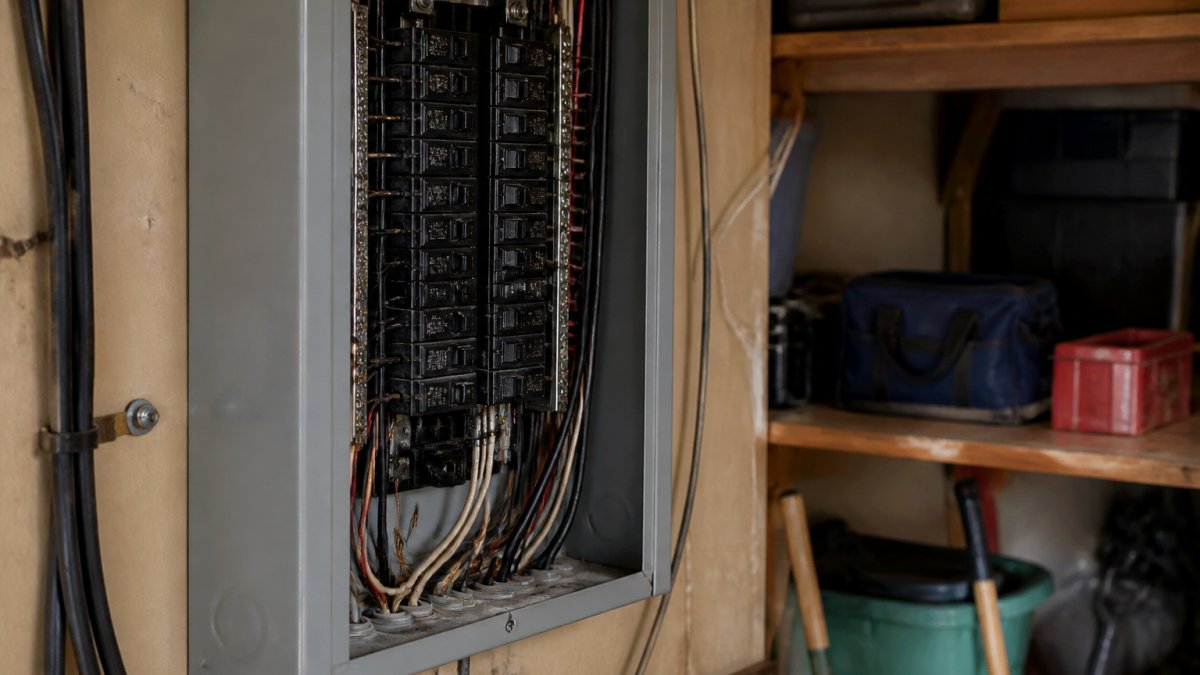
An electrical panel is the metal box that distributes power from the utility line to every circuit in your house. It holds the main breaker and the individual breakers that protect each circuit. When that box can no longer keep up, the risks range from nuisance tripping to fire.
Below, we break down each warning sign, explain how to tell a panel problem from a simple appliance issue, and cover what an upgrade actually involves.
Bad Circuit Breaker Symptoms: When Breakers Keep Tripping or Fail to Reset
A breaker that trips once during a heat wave is normal. A breaker that trips every week is telling you something.
Bad circuit breaker symptoms include frequent tripping, breakers that will not stay reset, and breakers that feel loose or fail to click. These point to an overloaded circuit, a failing breaker, or a panel at its limit.
Watch for these patterns:
- The same breaker trips repeatedly under normal load
- A breaker will not reset at all, or trips the moment you flip it
- The breaker feels warm to the touch after resetting
- Lights on that circuit dim when an appliance kicks on
A common mistake is swapping in a bigger breaker to stop the tripping. That removes the safety limit and lets the wiring overheat. Never do it.
If one breaker keeps tripping, the fix might be as simple as moving a heavy appliance to its own circuit. If multiple breakers trip or a breaker will not reset, call a licensed electrician to inspect the panel. Breaker failure inside an aging panel is a safety risk, not a DIY project.
Flickering Lights, Warm Outlets, and Burning Smells: Urgent Safety Warnings
Some symptoms mean stop using the circuit now. Flickering or dimming lights across the whole house, outlets that feel warm, and any burning smell near the panel are red flags.
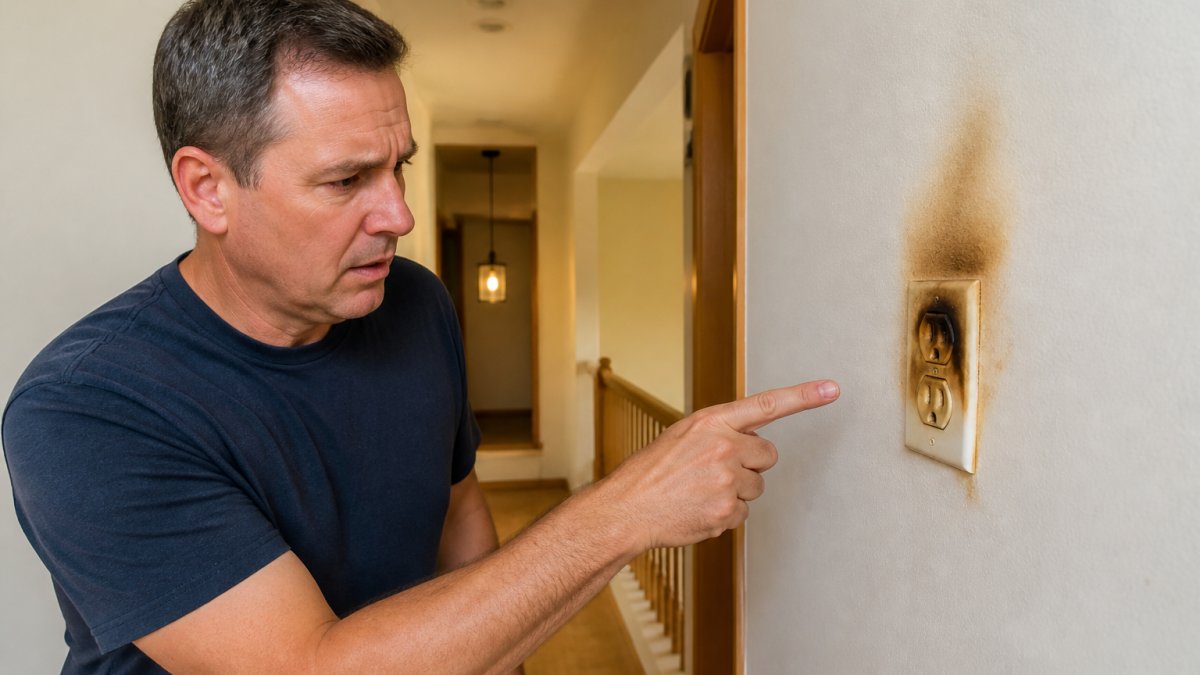
Here is how to read the danger level:
- Flickering or dimming lights house-wide: often a loose main connection or an overloaded service. Urgent.
- Warm or hot outlets and hot breakers: resistance or overload generating heat. Stop using them.
- Burning smell or fish-like odor: overheating insulation or components. Leave the area and call for help.
- Scorch marks or discolored outlets: evidence of arcing or overheating. Do not use that circuit.
A burning smell near the panel is a fire hazard. Turn off the main breaker if you can do so safely, and call a licensed electrician or the fire department if you see smoke or flames.
How to Tell If Your Electrical Panel Is Full or Overloaded
A full electrical panel has no open slots for new breakers. An overloaded panel has slots but not enough capacity for the electrical load your home demands. Those are different problems, and they call for different fixes.
Capacity is measured in amps. Think of amps as the size of the pipe carrying power into your home. A 100-amp service can deliver about 100 amps at once; a 200-amp service can deliver roughly twice that. Older homes often run on 60-amp or 100-amp service.
How electricians size a panel. A licensed electrician does not guess from the label. They perform a load calculation, a standard method that adds up the square footage of the home, the major appliances, the heating and cooling equipment, and any fixed loads like a water heater or EV charger.
What common additions demand. Each of these adds load that older panels were never sized for:
- EV charger: a Level 2 charger typically draws 32 to 48 amps continuously, which is a large new load on a 100-amp service.
- Heat pump or central air: heating and cooling are usually the largest loads in a home, and replacing a furnace with a heat pump can push a marginal panel over its limit.
- Electric range or induction cooktop: a 40- to 50-amp circuit that many older kitchens do not have.
- Hot tub or pool equipment: a dedicated high-amp circuit that often forces a service upgrade.
- Home office or server rack: smaller individually, but continuous loads that add up.
Signs your panel is at its limit:
Take our 60-second quiz for a free quote today! →
- No empty breaker slots and no room to add a circuit
- You need a new circuit for a renovation, hot tub, or EV charger
- Breakers trip when major appliances run together
- The panel label lists fuses instead of breakers
- Lights dim when the air conditioner or a large appliance starts
An outdated panel with a fuse box is a clear upgrade candidate. Fuses blow and must be replaced, and many old fuse boxes were never built for today's electrical load.
The Electrical Panel Upgrade Process: What to Expect from Assessment to Inspection
The electrical panel upgrade process follows a predictable path. Knowing the steps, and what happens inside each one, helps you plan, budget, and ask the right questions.
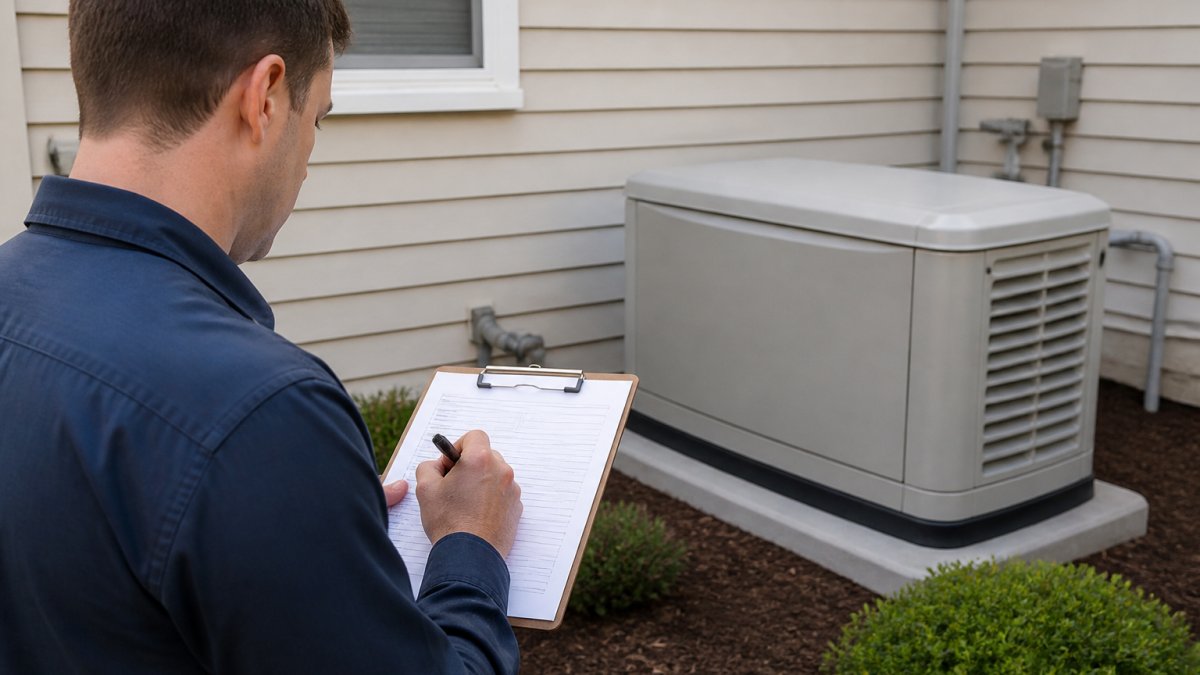
- Assessment. A licensed electrician inspects the panel, the service entrance, and the household wiring, then performs a load calculation. A thorough assessment covers panel condition and age, the main breaker and service size, grounding and bonding, visible wiring concerns such as aluminum branch circuits or double-tapped breakers, and whether the meter base and service drop can support the new panel. Ask for the findings in writing.
- Scope and quote. You get a written scope covering the new panel, service size, and any wiring or grounding work. The quote should itemize the panel, labor, permit fees, and utility coordination so you can compare bids fairly.
- Permits. The electrician pulls the required permit from your local building authority. Permits and inspections are standard for panel work, and skipping them can void insurance or fail a future home sale. The permit also triggers the inspection that confirms the work meets the adopted electrical code.
- Utility coordination. The utility may need to disconnect and reconnect power for the swap, and in some cases upgrade the service drop or meter. Your electrician schedules this, and the timing can affect the installation date.
- Installation. The crew replaces the panel and breakers, upgrades grounding and bonding, and labels every circuit. Expect the power to be off for part of the day.
- Inspection. A local inspector signs off on the work before the utility restores full power. If the inspector finds an issue, the electrician corrects it and the inspection is repeated.
What the electrician is looking for. During the assessment, a good electrician checks for the things that turn a simple swap into a bigger job: a service drop that cannot carry the new load, a meter base that needs replacement, undersized grounding, aluminum wiring, and breakers that have been double-tapped or oversized. Finding these before the quote is better than finding them on installation day.
Timelines and power loss. Most straightforward swaps finish in a day, though added wiring or a service upgrade can stretch the timeline. Ask your electrician who handles the permit and inspection, how long the utility disconnect is expected to take, and whether you need to be home. Get it in writing.
Electrical Panel Upgrade Cost: What Drives the Price and How to Budget
Electrical panel upgrade cost depends on several factors, so no single number fits every home. Pricing depends on your current service size, the new panel's capacity, labor, permit fees, and whether the utility must upgrade the service line.
The main cost drivers:
- Service size: moving from 100 amps to 200 amps costs more than a like-for-like swap
- Wiring condition: old or aluminum wiring adds labor and materials
- Permits and inspection fees: these vary by jurisdiction
- Utility work: a service line upgrade adds cost and scheduling
- Access and location: a panel in a tight basement or behind finished walls takes longer
Budget for the panel, labor, permits, and a cushion for surprises. Get a written quote that itemizes each line so you can compare bids fairly. We recommend asking whether the quote includes permit fees and utility coordination, because those are the line items that quietly inflate a final bill. For current pricing on backup power systems that pair with a panel upgrade, check our site for a free quote.
Repair or Replace? A Practical Decision Guide
Use this guide to decide whether to repair the panel or replace it. The answer usually comes down to age, capacity, and safety symptoms.
| Situation | Recommended Action | Why |
|---|---|---|
| One breaker trips occasionally | Repair or move the load | Circuit issue, not a panel failure |
| Breaker will not reset | Repair first, inspect panel | Could be a failed breaker or a deeper fault |
| Fuse box with no breaker slots | Replace the panel | Outdated, limited capacity |
| Warm panel, burning smell, scorch marks | Replace, call now | Fire hazard |
| Adding major appliances or an EV charger | Likely replace or upgrade service | Insufficient capacity |
| Frequent tripping across multiple circuits | Inspect, likely replace | Panel at its limit |
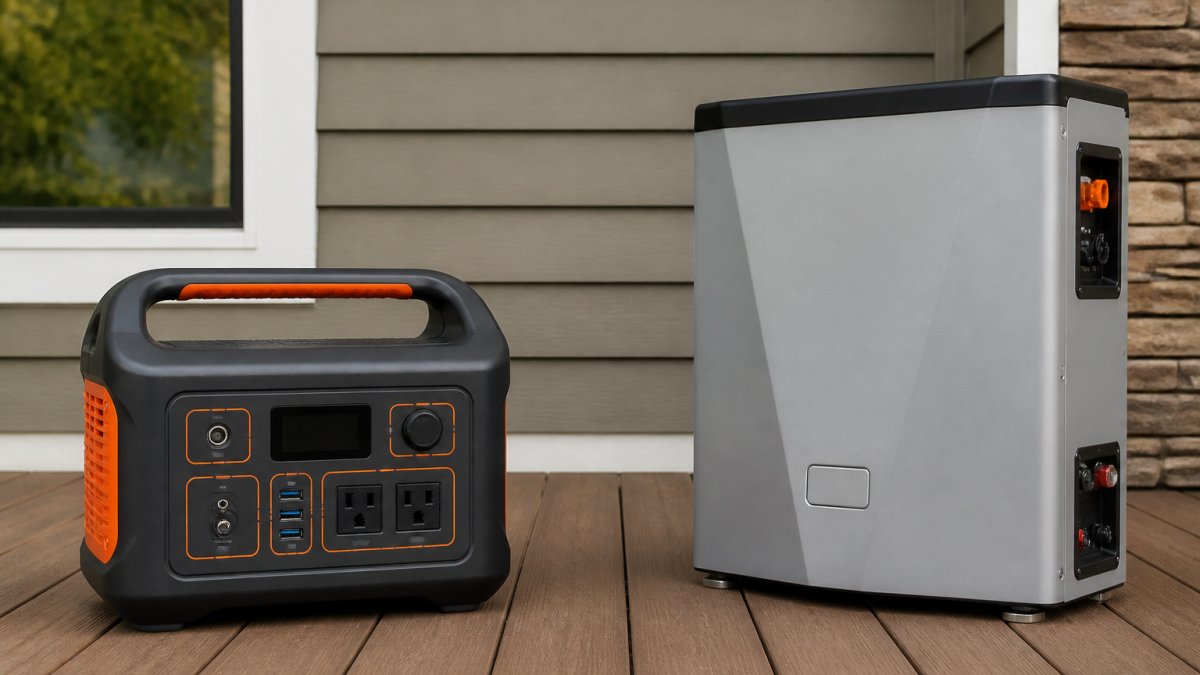
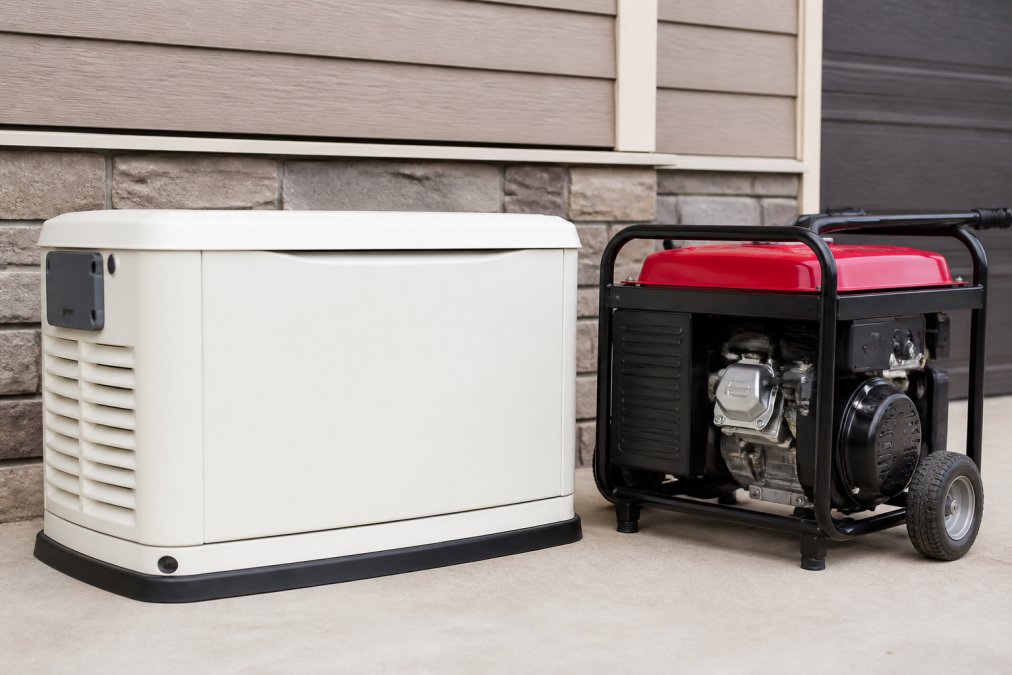
If you are weighing backup power alongside a panel upgrade, this is where a whole-home system earns its keep. At Generators of Nashville by Evolution Electric, our licensed electricians have installed Generac generators, solar arrays, and home battery systems like EcoFlow, Anker SOLIX, and Jackery since 2014.
A failing panel is not a problem you can put off. Frequent tripping, warm outlets, burning smells, a full panel, and an outdated fuse box are all signals that your electrical system needs attention. The safest path is a professional assessment before small symptoms become a fire hazard.
At Generators of Nashville by Evolution Electric, our licensed electricians inspect your panel, explain your options in plain terms, and install backup power systems built to match your home's real load.
Frequently Asked Questions
How do I know when I need a new electrical panel?
You likely need a new electrical panel if you see frequent breaker trips, flickering lights, burning smells, warm outlets, or a panel that is full with no open slots. An outdated fuse box or insufficient capacity for modern appliances also points to replacement. A licensed electrician can inspect the panel and confirm whether an electrical panel upgrade is necessary.
What are the symptoms of a bad circuit breaker?
Bad circuit breaker symptoms include breakers that trip repeatedly, fail to reset, feel hot to the touch, or produce buzzing or crackling sounds. You may also notice flickering lights on that circuit or a burning smell near the panel. These signs mean the breaker is not protecting the circuit properly and should be checked by a licensed electrician.
Can flickering lights mean my electrical panel needs an upgrade?
Yes. Flickering or dimming lights, especially when major appliances turn on, often signal an overloaded circuit or insufficient electrical capacity. If the panel is old or full, an electrical panel upgrade may be needed to handle modern electrical loads safely. An electrician can test the panel and determine whether a repair or replacement is the right fix.
How much does an electrical panel upgrade cost?
Electrical panel upgrade cost varies based on the panel size, amperage, labor, permits, and any needed wiring updates. Pricing depends on your home's specific electrical load and local code requirements. For an accurate quote, contact a licensed electrician who can inspect your panel and provide a detailed estimate for your situation.