 how-to
Generator Installation Timeline Expectations for Homeowners
Last Updated: October 24, 2026
Quick Summary
Plan for two to six weeks from the first site visit to final inspection for a home generator installation, though the physical labor itself is only about three to five working days. The rest of the elapsed timeline comes from waits between phases, including permit review, utility scheduling, inspection appointments, and equipment delivery.
- Site evaluation and load calculation take one to three hours on site.
- Electrical wiring and transfer switch installation typically take one to two days.
- System testing and commissioning runs two to four hours under load.
- Equipment lead times are usually the longest single wait in the schedule.
- Run the equipment order, permit application, and fuel scheduling concurrently to compress the timeline.
Table of Contents
- How Long Does It Take to Install a Home Generator
- The Standby Generator Installation Process, Phase by Phase
- Generator Installation Permit Requirements and Approval Bottlenecks
- Your Generator Installation Checklist Before Day One
- What Can Delay a Generator Installation
- Commissioning, Inspection, and the Maintenance Schedule After Install
- Take the 60-Second Quiz to Get Your Installation Timeline
- Frequently Asked Questions
How Long Does It Take to Install a Home Generator
Most homeowners want one number: how many days from signed contract to the first test run. The honest answer is a range, not a single figure. At Generators of Nashville by Evolution Electric, we tell people to plan for two to six weeks from the first site visit to final inspection, with the equipment itself often setting the pace.
Here's the key insight most guides skip: the physical install is the short part. A standby generator is a backup power system that ties into your home's electrical panel and fuel supply. The crew can usually set the unit and wire it in a few days. The waiting happens around that work.
Generator installation is the process of placing a standby unit, connecting it to your electrical system and fuel source, and passing inspection so it runs your home automatically during an outage.
Below, we'll walk through each phase so you know what to expect and where the delays hide. For a broader overview, see our backup power system installation timeline.
The Standby Generator Installation Process, Phase by Phase
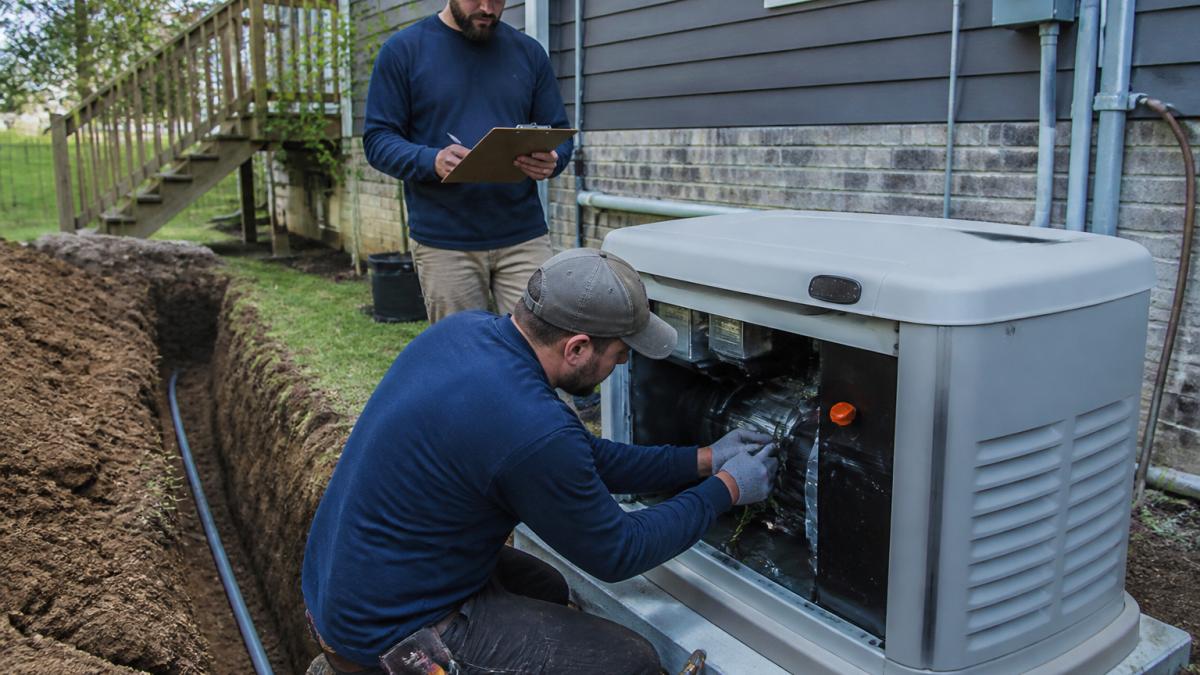
A standby generator installation process moves through a set sequence. Skip a step and you pay for it later, usually in re-inspection fees or a delayed gas meter set.
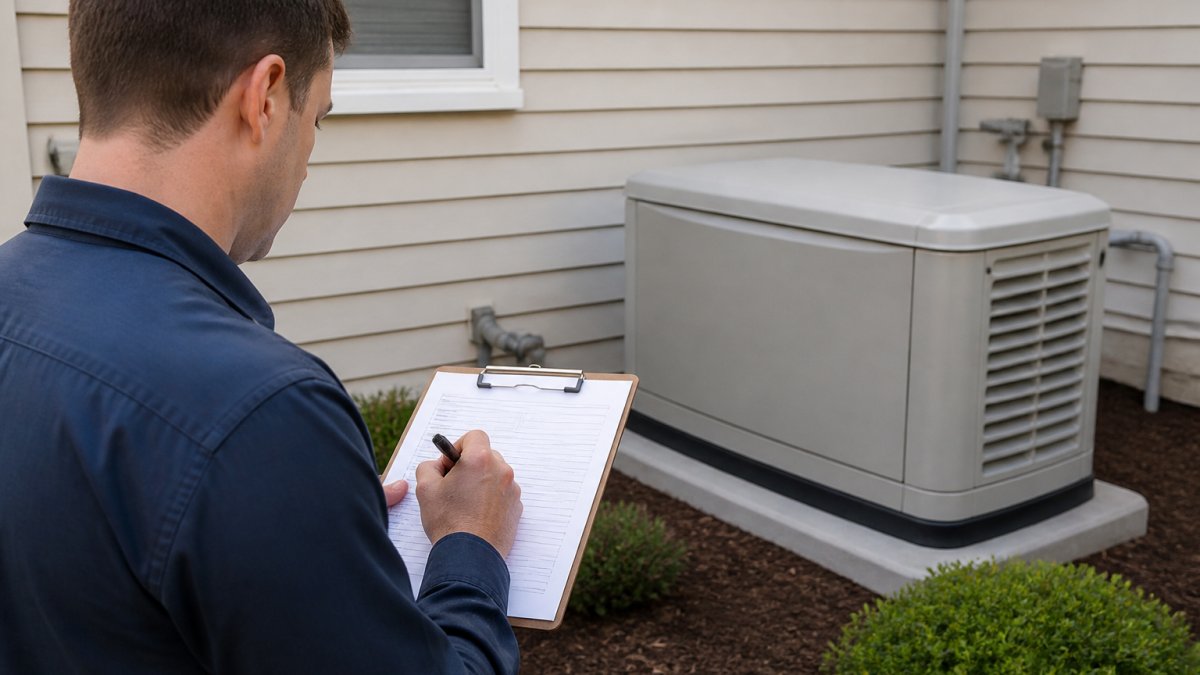
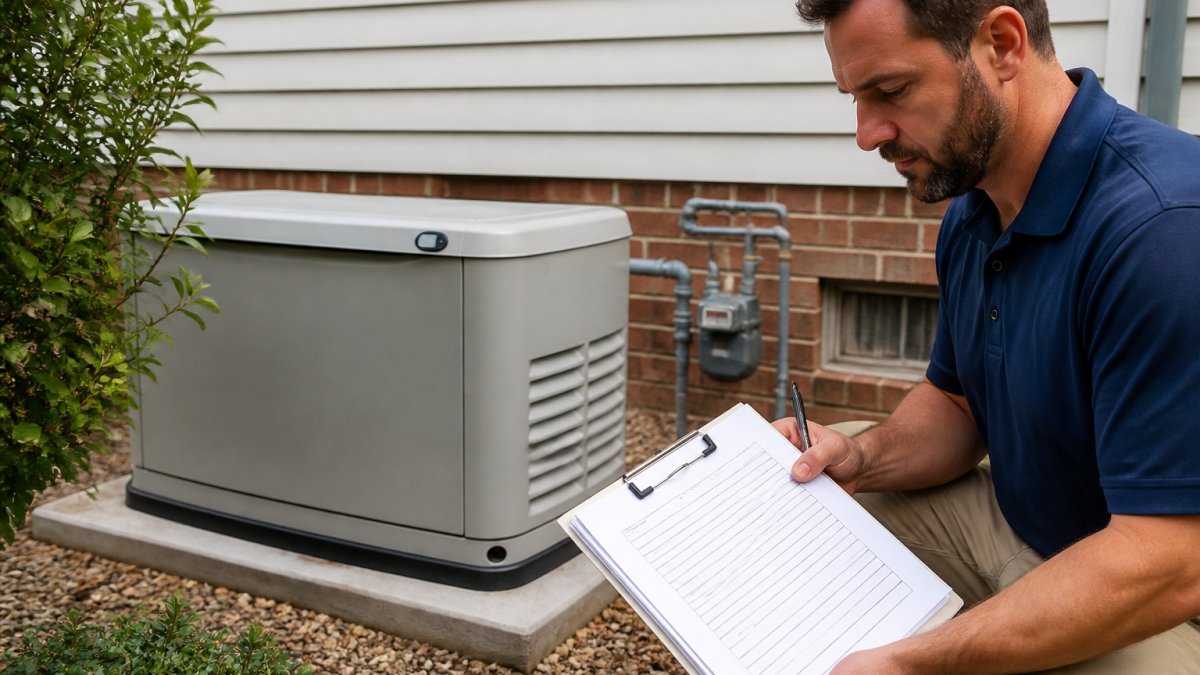
Phase 1: Site evaluation and load calculation (1-3 hours on site). A technician walks the property to pick the pad location, measure clearances to windows, doors, property lines, and combustible walls, and confirm the unit will meet the manufacturer's required distances. In parallel, an electrician performs a load calculation, typically using the standard method in Article 220 of the National Electrical Code (NFPA 70), to size the generator and the automatic transfer switch. The output of this phase is a written scope and a firm equipment list. Nothing physical happens until this is signed off.
Phase 2: Permitting (calendar time, not labor time). Most jurisdictions require an electrical permit, and many also require a building or mechanical permit; some require a separate fuel-gas permit. The application usually needs the site plan, the load calculation, and the equipment cut sheets.
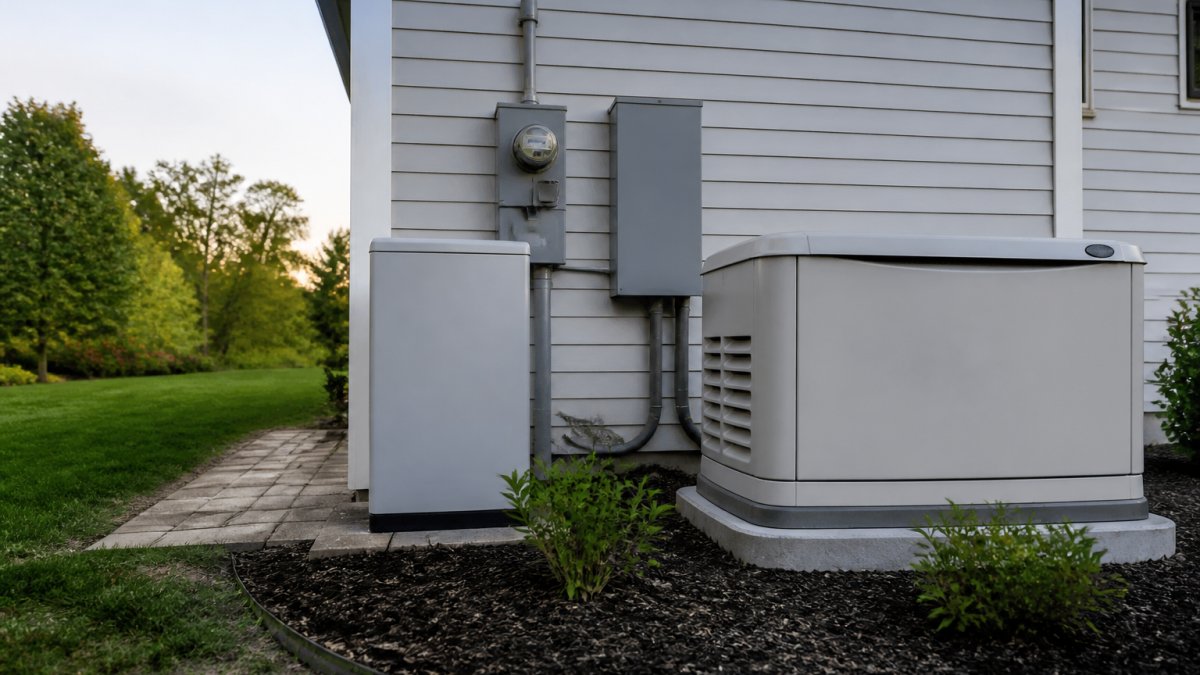
Phase 3: Site preparation and pad (roughly half a day to a full day). A precast concrete pad or a poured pad goes in, set level and above grade so water drains away from the unit.
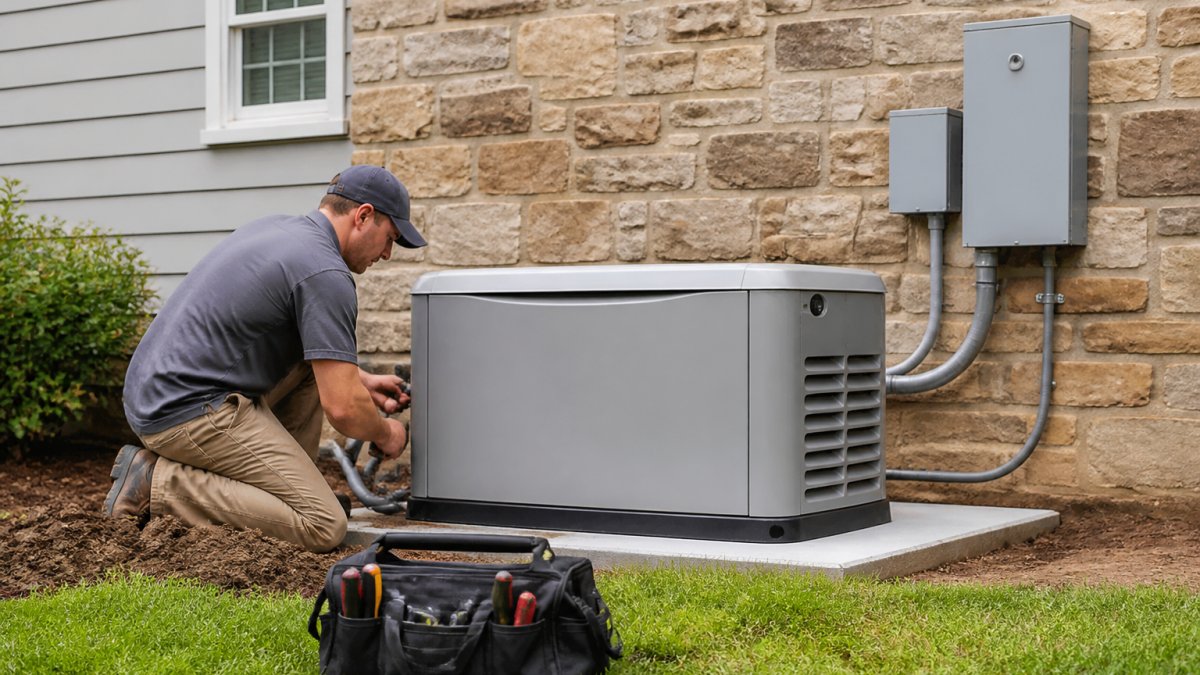
Phase 5: Electrical wiring and transfer switch installation (one to two days). The automatic transfer switch is the brain that flips your home to backup power. The crew mounts it near the service panel, wires the utility feed, the generator feed, and the load-side circuits, and bonds and grounds the system per code. If the existing panel is full or outdated, a panel upgrade or a load-management device gets added here, a scope change that adds both cost and days.
Phase 6: System testing and commissioning (two to four hours). The unit is started, run under load, and checked for voltage, frequency, grounding, and a clean transfer back and forth between utility and generator power. Any faults found here get corrected before the inspector arrives.
Phase 7: Final inspection and sign-off. The local authority having jurisdiction (AHJ) inspects the electrical and, where applicable, the fuel and building work. This is a scheduled visit, not an instant one, and it is the step most homeowners forget to budget calendar time for.
Each phase is quick on its own. The gaps between them, permit review, utility meter scheduling, inspection appointments, and equipment delivery, are where the calendar stretches from a few days of labor into several weeks of elapsed time.
Here is each phase of a standby generator installation, with the time the work itself takes.
| Phase | What happens | Time on site |
|---|---|---|
| 1. Site evaluation and load calculation | Pad location, clearances, load calculation, written scope | 1-3 hours |
| 2. Permitting | Electrical, building or mechanical, and sometimes fuel-gas permits | Calendar time, not labor time |
| 3. Site preparation and pad | Pad set level, conduit trenched to switch and fuel source | Half a day to a full day |
| 4. Fuel connection | Gas line run and meter upgrade, or propane tank set and filled | A few hours to a full day |
| 5. Electrical wiring and transfer switch | Transfer switch mounted, wired, bonded and grounded | One to two days |
| 6. System testing and commissioning | Run under load, check voltage, frequency, grounding, transfer | Two to four hours |
| 7. Final inspection and sign-off | AHJ inspects electrical and, where applicable, fuel and building work | Scheduled visit |
Generator Installation Permit Requirements and Approval Bottlenecks
Permits are the single biggest wildcard in any generator installation timeline. Most jurisdictions require an electrical permit and often a building permit before work starts. Some also require a fuel or gas permit. Navigating these bureaucratic hurdles requires patience, much like the process involved in understanding furnace installation timelines.
The bottleneck is the review queue, not the paperwork. In busy seasons, a permit application can sit for days or weeks before an inspector approves it. We don't start wiring until the permit is in hand.
That's why we tell homeowners to expect the permitting process to consume more calendar time than the physical work. For a closer look at what local building codes and code compliance require, see our guide to generator installation permits and codes.
Your Generator Installation Checklist Before Day One
A little prep on your end keeps the crew moving. Use this generator installation checklist:
Take our 60-second quiz for a free quote today! →
- Confirm the unit location and clear the area of plants, fences, or debris
- Make sure the crew can reach the electrical panel and fuel line route
- Have your permit and HOA approval ready if required
- Note any underground lines, sprinklers, or septic near the pad
- Clear a path for equipment delivery
- Plan for someone to be home on install day
One common mistake is forgetting the fuel source. If you're on propane, the tank needs to be in place before commissioning. If you're budgeting for the full project, our whole home generator cost guide breaks down what drives the total.
What Can Delay a Generator Installation
Delays cluster around a few predictable causes. The useful question is not whether they happen but which ones you can shorten and which ones you can only plan around. Here is the breakdown most guides skip.
Equipment lead times, usually the longest single wait. Standby generators, automatic transfer switches, and the load-management accessories that go with them are built to order in many configurations.
Permit review queues, the most variable by region. Permit processing time depends far more on the municipal workload than on the complexity of your job.
Utility and fuel scheduling, the hidden calendar item. Natural gas service upgrades, meter swaps, and propane tank sets are scheduled by the utility or fuel supplier, not by your installer.
Final inspection scheduling, the last hidden step. Passing inspection is not the same as getting inspected. The AHJ schedules the visit, and in busy periods the next available slot can be a week or more out.
Seasonal demand, weather and contractor availability together. Storm season and winter ice storms drive up demand for both equipment and installers at the same time.
A professional installation team flags these early and sequences the controllable waits, permit filing, fuel scheduling, equipment order, so they run in parallel instead of in series.
Commissioning, Inspection, and the Maintenance Schedule After Install
The final stretch is testing and sign-off. Commissioning is where we run the unit under load, check voltage, confirm grounding, and make sure the automatic transfer switch hands off cleanly when utility power drops.
After that comes the final inspection by your local authority. Once it passes, the system is officially ready.
Then the work shifts to upkeep. A maintenance schedule matters more than most owners expect. Oil changes, filter checks, and annual service keep a standby unit reliable for years. Watch for warning signs like rough starts or longer run times; our guide on signs your generator needs service covers what to look for.
Take the 60-Second Quiz to Get Your Installation Timeline
Every home is different, and so is every timeline. The fastest way to get a real answer for your property is to tell us about your setup.
At Generators of Nashville by Evolution Electric, our licensed electricians have installed backup power across Middle Tennessee since 2014. We handle Generac generators, solar arrays, and home battery systems from EcoFlow, Anker SOLIX, and Jackery. We manage the site survey, permit application, and contractor coordination so you're not chasing paperwork.
Want a personalized estimate? Take our 60-second quiz and get a free quote built around your home.
Frequently Asked Questions
How long does it take to install a generator once the equipment arrives?
The physical installation usually takes one to three days for a typical home standby unit. Day one covers setting the pad and positioning the generator, day two handles the automatic transfer switch and electrical wiring, and day three finishes the fuel connection, grounding, and voltage testing. Larger systems with an electrical panel upgrade or a long gas line run can stretch to four or five days. Your contractor should give you a written schedule before work begins so you know when crews will be on site.
How long can permits and utility approvals take for generator installation?
Permit approval commonly runs one to four weeks depending on your local building department's workload and whether the application is complete on the first submission. If your home uses natural gas, the utility may need a separate review for the meter and gas line capacity, which can add another one to three weeks. Incomplete site plans or missing load calculations are the most common reason an application gets kicked back and the clock restarts. Submit a full package the first time to avoid that delay.
What can delay a whole-home generator installation?
Equipment lead times are the biggest variable. Popular standby models can take several weeks to arrive after ordering, and supply chain issues can push that further. Permit bottlenecks, utility gas reviews, and seasonal demand spikes also add time. Weather matters too: frozen ground in winter or saturated soil after heavy rain can pause site preparation and concrete work. A contractor who orders equipment early and files permits in parallel with the site survey usually shortens the total schedule.
Do I need to be home during generator installation?
You do not need to be home for every hour of the install, but plan to be present for the site survey, the startup and testing day, and the final walkthrough. On testing day the crew will run the unit under load, verify the automatic transfer switch responds to a simulated utility power interruption, and confirm voltage readings. That is your chance to ask questions about the maintenance schedule and see the system operate before the crew leaves.
The gap between a generator that works when you need it and one that sits idle is usually planning, not luck. Get the site evaluation, permits, and fuel plan right up front, and the install itself is the easy part. Get started with Generators of Nashville by Evolution Electric and lock in a timeline you can actually count on.