 ultimate-guide
How to Prepare Home for Outages: 2026 Guide
Table of Contents
- Build Your Emergency Power Outage Kit Checklist
- How to Prepare Home for Outages: Food, Water, and Refrigeration
- Best Home Energy Storage Systems for Backup Power
- How Long Do Home Batteries Last During an Outage?
- How to Maintain a Standby Generator for Reliable Performance
- Smart Home Integration and Safety During Outages
- Budget-Friendly vs. Premium Outage Preparation Gear
- Frequently Asked Questions
Last Updated: September 17, 2026
Build Your Emergency Power Outage Kit Checklist
A power outage rarely announces itself. The grid drops, the lights die, and whatever you did not prepare for becomes the emergency. Learning how to prepare home for outages starts with one physical kit you can grab in the dark, and this guide from Generators of Nashville by Evolution Electric walks through every layer of that preparation, from a $50 starter kit to whole-home battery systems.
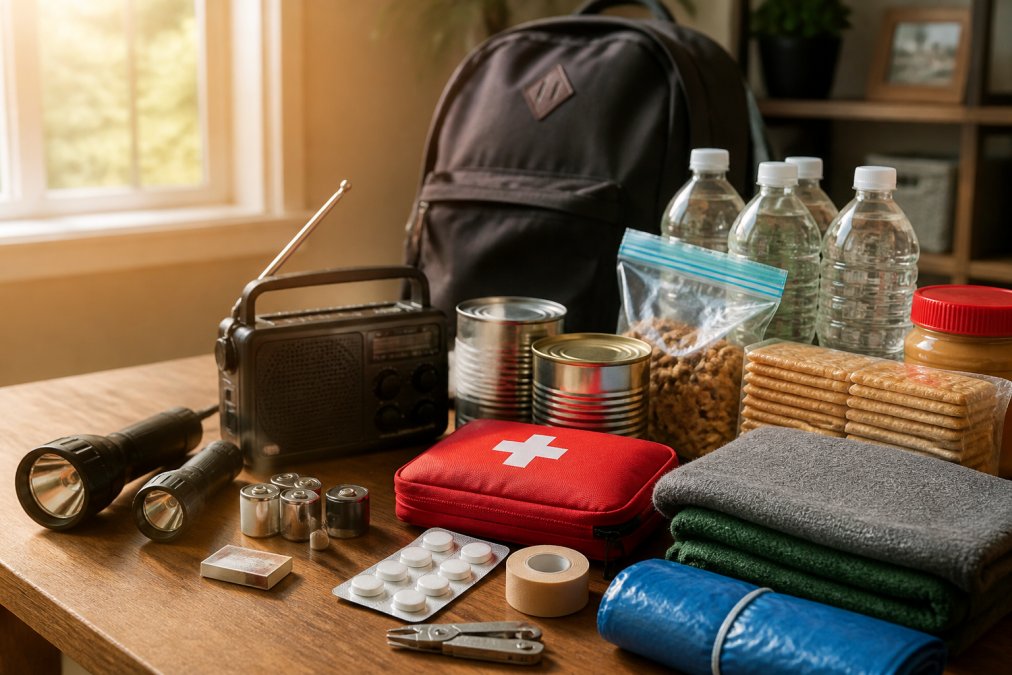
An emergency power outage kit is a pre-assembled collection of lighting, power, communication, and safety supplies stored together so you can function without grid electricity for at least 72 hours. The Federal Emergency Management Agency recommends every household maintain a 72-hour supply of essentials, and power-related items sit at the center of that list.
Build yours around these categories, with real quantities rather than vague suggestions:
- Lighting: One LED flashlight or headlamp per person, plus two battery-powered lanterns for shared rooms. Store at least two spare sets of batteries per device. Skip candles, an open flame during an outage is a fire risk and a carbon monoxide risk if ventilation is poor.
- Power: A portable power bank rated at 10,000 mAh or higher recharges a typical phone two to three times. Add a folding solar panel (20W or larger) so the bank can refill without grid power. For devices that need AC, a portable power station in the 300-500Wh range runs a laptop, a router, and a few lights for most of a day.
- Information: A hand-crank or battery-powered NOAA weather radio. The National Weather Service broadcasts continuous alerts on the NOAA Weather Radio All Hazards network, and a radio works when cell towers are congested or down.
- Safety: A first-aid kit, a battery-backed carbon monoxide detector on every level, a fire extinguisher rated for kitchen and electrical fires, and a whistle to signal for help.
- Documents: Copies of your emergency contact list, insurance policies, prescriptions, and a photo ID in a watertight container or sealed bag. Include a written list of medications with dosages.
- Comfort and morale: A deck of cards, a battery-powered speaker, and a few books. These matter more than people expect on night two.
Store the kit where you can reach it without a flashlight. A hall closet beats a basement shelf every time. Check the kit twice a year, when you change smoke detector batteries is a good trigger, and replace expired food, water, and medications.
A modern addition most guides skip: keep a small uninterruptible power supply (UPS) on your router and modem. A 600VA UPS typically keeps a router and modem alive for 30-60 minutes, which is enough to send messages, check outage maps, and receive emergency alerts before your phone battery becomes the bottleneck.
How to Prepare Home for Outages: Food, Water, and Refrigeration
Food and water planning is where most households underprepare. The working rule from Ready.gov's emergency supply guidance is one gallon of water per person per day for drinking and sanitation, plus a stock of nonperishable food your family actually eats. A three-day supply is the floor; a two-week supply is the safer target if you live somewhere that sees ice storms, hurricanes, or wildfire-driven shutoffs.
Water specifics that matter:
- Store commercially bottled water when possible; it has the longest shelf life and needs no treatment.
- If you fill your own containers, use food-grade plastic or glass, label them with the fill date, and replace the water every six months.
- A bathtub or large pot filled before a known storm gives you a non-potable supply for flushing and washing.
- If you must treat questionable water, boiling for one minute is the most reliable method; unscented household bleach (about 1/8 teaspoon per gallon) is a backup.
Four habits protect your refrigerated items:
- Freeze water bottles ahead of storm season. They double as ice blocks and drinking water, and they keep the freezer fuller, which extends its hold time.
- Keep an appliance thermometer inside both units so you know whether food is still safe after the power returns.
- Group food together in the freezer, a full freezer stays cold longer than a half-empty one.
- Tape the doors shut with painter's tape if you expect a long outage, and post a note reminding everyone not to open them.
Best Home Energy Storage Systems for Backup Power
The best home energy storage system for most households is a lithium battery paired with a transfer switch or smart panel, sized to cover your critical circuits. These systems have replaced the old choice between "nothing" and "a generator," and the category now spans portable units to whole-home installations.
Here is how the main options compare:
| System Type | Typical Coverage | Best For | Refueling Needed |
|---|---|---|---|
| Portable power station | Phones, laptops, small appliances | Apartments, renters, short outages | No |
| Portable solar generator | Same, extended by solar input | Remote work setups, camping crossover | No |
| Home battery (wall-mounted) | Critical circuits or whole home | Frequent outages, solar owners | No |
| Standby generator | Whole home | Extended outages, rural properties | Yes, natural gas or propane |
How Long Do Home Batteries Last During an Outage?
A home battery typically lasts 8 to 24 hours during an outage, depending on its capacity and how many circuits it powers. A unit backing up only essentials can stretch well past a day; one running air conditioning may last a few hours.
Take our 60-second quiz for a free quote today! →
Three factors decide the real number:
- Battery capacity, measured in kilowatt-hours
- Connected load, meaning how much you actually run at once
- Weather, since extreme heat or cold forces HVAC equipment to work harder
How to Maintain a Standby Generator for Reliable Performance
Standby generators fail for boring reasons: old oil, a weak battery, or a fuel line nobody checked. Maintenance is how to maintain a standby generator so it starts on the first crank in February.
Follow this schedule:
- Monthly: Run the generator under load for 15-30 minutes and inspect for leaks or corrosion
- Annually: Change the oil and filter, replace the air filter, and test the battery
- Annually: Have a licensed electrician verify the transfer switch and connections
- Seasonally: Clear debris from the enclosure and confirm the fuel supply is unobstructed
Smart Home Integration and Safety During Outages
Smart home devices can actively manage an outage instead of just surviving it. Most guides skip this layer entirely, but it is where modern preparation pulls ahead.
Two setup steps make the difference:
- Set automation rules before storm season, not during one. Prioritize circuits and define what shuts off first.
- Keep your network alive. Your router needs backup power too, or none of your smart devices respond.
Budget-Friendly vs. Premium Outage Preparation Gear
You can build meaningful outage resilience at almost any budget. The trick is spending on the layers that fail first, not the ones with the best marketing.
| Budget Level | What You Get | Where It Fits |
|---|---|---|
| Starter (under $200) | Flashlights, power bank, hand-crank radio, water storage | Renters, apartments, first-time prep |
| Mid-range ($200-$1,000) | Portable power station, solar charger, CO detectors | Remote workers, small homes |
| Premium ($1,000+) | Home battery or standby generator with professional install | Frequent outages, whole-home coverage |
Frequently Asked Questions
What should I stockpile for a power outage?
Stockpile at least a 72-hour supply of nonperishable food and one gallon of water per person per day. Include flashlights, a hand-crank radio, a first-aid kit, and a portable power bank. Don't forget prescription medications and a manual can opener. For refrigeration, keep freezer packs ready. An emergency power outage kit checklist helps you gather everything in one place so you're not scrambling when the lights go out.
Why fill a bathtub with water during a power outage?
Filling a bathtub provides a large reserve of water for flushing toilets and basic hygiene if your well pump or municipal water supply loses pressure. It's not for drinking unless properly treated. Use a watertight container or a clean bathtub, and store the water for no more than 24 hours before replacing. This simple step can keep your household functioning during extended outages.
How do I safely maintain a backup generator at home?
Run your standby generator monthly for 10-15 minutes to ensure it starts and runs smoothly. Check oil and coolant levels regularly, and keep the area around the unit clear of debris. Never run a portable generator indoors due to carbon monoxide poisoning risk. For standby systems, schedule annual professional maintenance. Following these steps helps you avoid surprises during an outage and extends the life of your equipment.
What should I do with my refrigerator and freezer during an outage?
Keep refrigerator and freezer doors closed as much as possible. A full freezer stays cold for about 48 hours if unopened; a half-full freezer lasts 24 hours. A refrigerator keeps food safe for up to 4 hours. If the outage lasts longer, use a thermometer to check temperatures: discard perishables if above 40°F. For extended outages, consider a backup power source to keep refrigerated items safe.