 ultimate-guide
Backup Power System Installation Timeline: A Complete Guide
Table of Contents
- Understanding Backup Power System Installation Timeline
- Factors Influencing Installation Duration
- Home Generator Installation Permit Process
- Site Assessment and System Design Phase
- How Long Does a Generator Transfer Switch Take to Install
- Physical Installation and Field Work
- Grid Interconnection and Utility Approval
- Generator Installation Day Checklist
- Frequently Asked Questions
Last Updated: September 18, 2026
Understanding Backup Power System Installation Timeline
A backup power system installation timeline refers to the complete duration required to design, permit, and install a generator, battery system, or hybrid backup power solution at your home. This timeline typically spans anywhere from several weeks to several months, depending on system type, local permitting requirements, and supply chain factors.
At Generators of Nashville by Evolution Electric, we help homeowners understand what to expect during this process. Most installations involve multiple phases: initial assessment, permitting, equipment procurement, physical installation, utility interconnection, and final commissioning. Each phase carries distinct timelines and dependencies that directly impact your project's completion date.
The reason this matters is straightforward. If you're installing backup power because you're tired of extended outages, you need realistic expectations about when your system will actually be operational. Understanding the timeline upfront prevents frustration and helps you plan around the installation window.
Factors Influencing Installation Duration
System Type and Capacity Requirements
The type of backup power system you choose fundamentally determines how long installation takes. A portable generator requires minimal setup, often just fuel and basic safety clearance. A whole-house backup system with a transfer switch and sub-panel installation, by contrast, demands significantly more electrical work.
Standby generators require permanent installation with concrete pads, fuel lines, and electrical connections. Battery storage systems like EcoFlow or Anker SOLIX add complexity through inverter configuration and monitoring app setup. Hybrid systems combining solar, batteries, and a generator represent the most involved installations because they require load calculation, electrical code compliance across multiple components, and grid interconnection approval if you're connecting to the utility.
System capacity also matters. A 10kW system takes less time to size and install than a 20kW whole-house backup system. Larger systems require more sub-panel work, heavier equipment handling, and longer commissioning periods.
Supply Chain and Equipment Lead Times
This is the hidden timeline killer most homeowners don't anticipate. Equipment lead times can easily add 4-8 weeks to your project before any physical installation begins.
Generac generators, depending on model and current demand, typically have lead times. EcoFlow and Anker SOLIX battery systems often have lead times. If you're ordering multiple components for a hybrid system, you're coordinating arrival dates across different manufacturers. A delayed battery shipment means your installer can't proceed with full system integration even if the generator arrives on time.
Supply chain disruptions, seasonal demand spikes, and manufacturer inventory levels all affect when equipment actually reaches your home. The winter months (October through February) often see longer lead times because more homeowners are preparing for storm season.
Retrofitting vs. New Construction Timelines
Retrofitting an existing home takes longer than installing in new construction. New construction sites often have electrical infrastructure already planned and roughed in, reducing design and planning phases.
Retrofitting requires site survey work to assess your existing electrical panel, determine sub-panel placement, route conduit through walls, and identify the optimal generator location. This assessment phase alone typically adds 1-2 weeks. You're also more likely to encounter unexpected issues, outdated wiring, insufficient panel capacity, structural obstacles, that require rework and extend timelines.
New construction installations benefit from coordination with the builder's electrical contractor, often reducing permitting delays and allowing parallel work with other trades.
Home Generator Installation Permit Process
Local Jurisdiction Requirements
Every jurisdiction has different permitting requirements, and this is where timelines diverge significantly. Some areas require multiple permits; others combine them into a single process.
Your local building department will require an electrical permit at minimum. Many jurisdictions also mandate a separate generator permit and a gas line permit if you're installing a natural gas or propane generator. Each permit involves application review, plan submission, and approval, typically 5-15 business days per permit, though some areas move faster.
A few jurisdictions have simplified processes for backup power systems, approving applications within 3-5 days. Others have backlogs that stretch the review period to 3-4 weeks. Calling your local building department before you purchase equipment helps you understand your specific timeline.
Electrical Code Compliance and Inspections
Once permits are approved, your installation must comply with the National Electrical Code and any local amendments. This compliance requirement affects installation sequencing and inspection scheduling.
Your system needs at least two inspections: a rough inspection after electrical connections are in place but before the system is powered up, and a final inspection after the transfer switch, load calculation verification, and all connections are complete. Scheduling these inspections requires coordination with your local inspector's availability, typically 3-7 days between requesting an inspection and the inspector arriving.
If the inspector finds code violations, you'll need to correct them and request a re-inspection, adding another 3-7 day cycle. Most professional installations pass on the first inspection, but this possibility should factor into your timeline expectations.
Take our 60-second quiz for a free quote today! →
Site Assessment and System Design Phase
Home Energy Audit and Load Calculation
Before installation begins, your system designer needs to understand your home's electrical load, how much power your essential circuits require during an outage.
A load calculation involves reviewing your electrical panel, identifying which circuits you want to back up, and totaling their amperage requirements. This determines whether you need a 10kW, 15kW, or 20kW system. A professional home energy audit can analyze heating and cooling systems, major appliances, and usage patterns to recommend a cost-effective backup strategy.
This phase typically takes 3-5 days from initial consultation to completed load calculation. For complex homes with multiple HVAC zones or high-demand appliances, the assessment might extend to a full week.
Site Survey and Installation Planning
The site survey determines where your generator or battery system will physically sit, how electrical connections will run, and whether any structural modifications are needed.
Your installer assesses generator placement for safety protocols, proper clearance from windows and doors, ventilation requirements, fuel line routing, and noise considerations. For battery systems, they identify optimal mounting locations and evaluate conduit runs to your electrical panel. This survey identifies potential obstacles: underground utilities, difficult-to-access walls, or structural elements that complicate installation.
Site surveys typically require 1-2 hours on-site and generate a detailed installation plan.
How Long Does a Generator Transfer Switch Take to Install
A transfer switch is the electrical component that automatically or manually switches your home's power source from the grid to your backup system during an outage. Installing a transfer switch typically takes 4-8 hours for a straightforward installation, though complex setups can require a full day.
Physical Installation and Field Work
Sub-Panel Installation and Electrical Connections
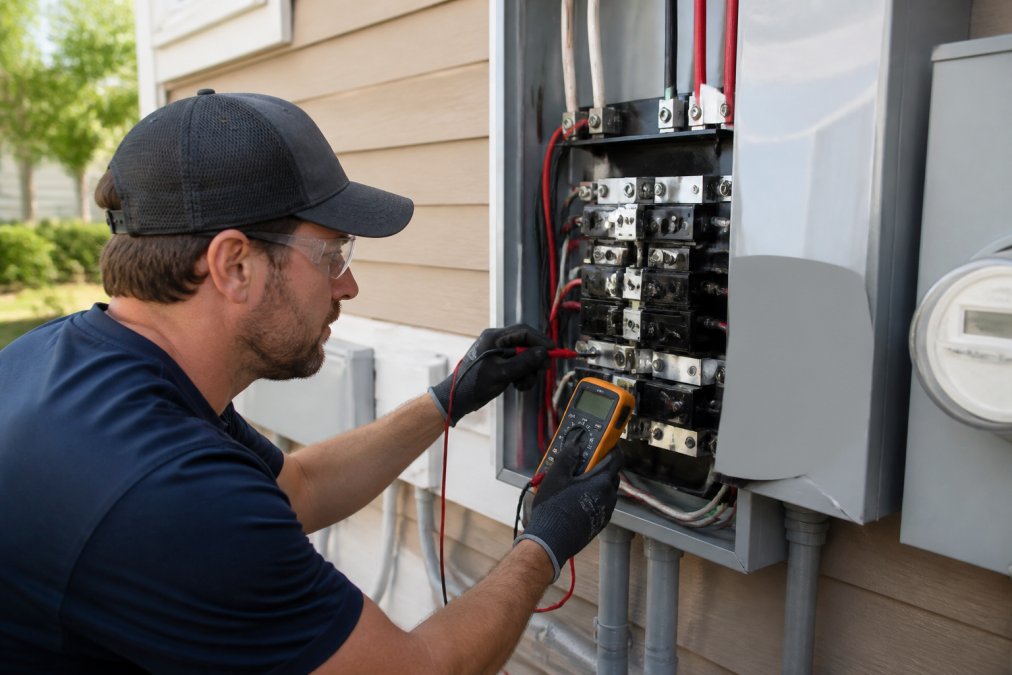
Sub-panel installation represents the most labor-intensive phase of a backup power system installation. A sub-panel is a secondary electrical panel that controls which circuits receive backup power during an outage.
Generator Placement and Safety Protocols
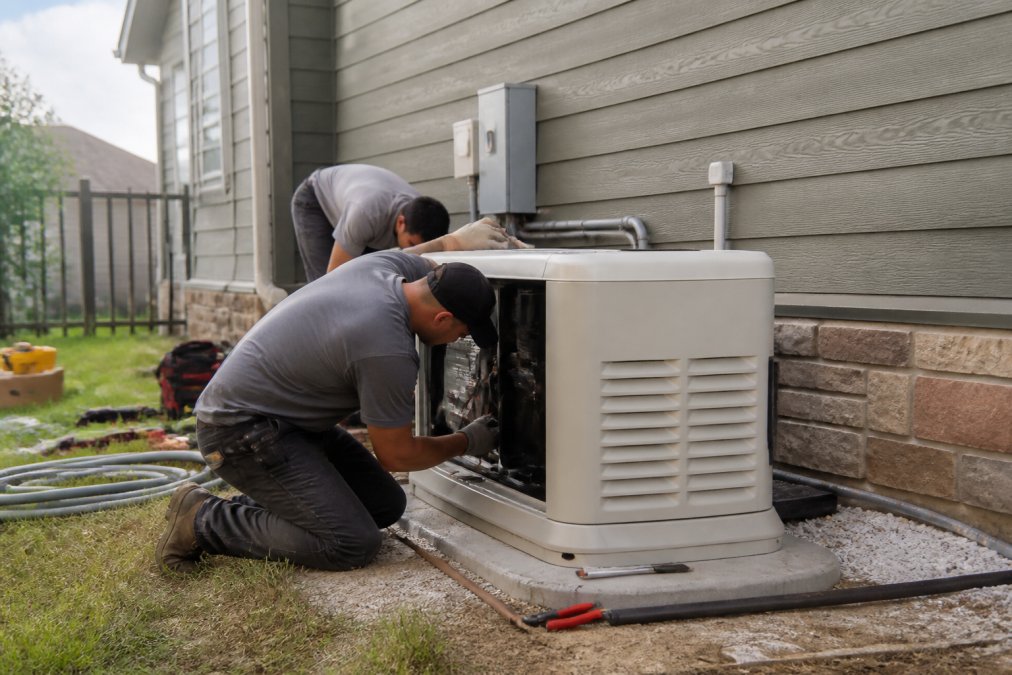
Physical generator placement involves setting a concrete pad, securing the unit, connecting fuel lines, and establishing proper ventilation and clearance.
Grid Interconnection and Utility Approval
If your backup system includes solar panels or battery storage that can export power back to the grid, your utility company must approve the interconnection. This approval process adds 4-8 weeks to your overall timeline.
Generator Installation Day Checklist
Pre-Installation Preparation
Before your installation team arrives, confirm that permits are approved and posted at the job site. Verify that all equipment has arrived and is stored safely. Clear the installation area of obstacles, vehicles, and debris to give your team safe working space.
System Commissioning and Final Startup
System commissioning is the process of powering up your backup power system and verifying all components function correctly. Your installer tests the transfer switch, confirms the generator starts under load, and verifies that all backed-up circuits receive power during simulated outages.
Post-Installation Troubleshooting and Monitoring App Setup
After commissioning, your installer configures your monitoring app, whether that's Generac's iComfort, EcoFlow's app, or Anker SOLIX's interface. This setup typically takes 30-60 minutes and involves creating your account, connecting your system, and walking you through basic operation.
| Phase | Typical Duration | Key Variables |
|---|---|---|
| Equipment Lead Time | 2-8 weeks | Manufacturer inventory, system complexity |
| Permitting | 1-4 weeks | Local jurisdiction speed, permit type |
| Site Assessment | 3-7 days | Home complexity, survey difficulty |
| Physical Installation | 2-5 days | System type, sub-panel needs, conduit routing |
| Utility Interconnection | 2-8 weeks | Solar/battery systems only, utility backlog |
| Final Commissioning | 1 day | System testing and app setup |
| Total Project | 8-20 weeks | All phases combined |
Frequently Asked Questions
How long does the complete backup power system installation timeline typically take?
The full backup power system installation timeline depends on permitting, equipment availability, and system complexity. Site assessment and design take time, permitting adds time, equipment delivery varies by supply chain conditions, and physical installation typically takes a few days. Grid interconnection for solar-battery systems can extend the timeline. Your contractor should provide a detailed project milestone schedule during the initial consultation.
What causes the longest delays in home generator installation permit process?
Permit delays stem primarily from local jurisdiction backlogs, incomplete initial applications, and required electrical inspections. Some areas require utility notification and grid interconnection approval before permits are issued. Architectural review for HOA properties can add time. Working with a licensed contractor experienced in your local jurisdiction significantly reduces delays by ensuring applications are complete and compliant on the first submission.
How long does a generator transfer switch take to install on installation day?
A generator transfer switch installation typically takes 4-8 hours as part of the overall field work day. The duration depends on your electrical panel configuration, whether sub-panel installation is needed, and existing wiring accessibility. Simple retrofit installations may take the shorter end, while new construction or complex panel upgrades can extend toward 8 hours. The transfer switch is a critical safety component, so proper installation time ensures electrical code compliance and system reliability.
Should I schedule backup power installation during a specific season?
Spring and early fall offer the best installation windows, with mild weather reducing contractor scheduling conflicts and permitting delays. Summer and winter see higher demand, potentially extending project timelines. Winter weather can delay field work, while summer storms create urgent demand spikes. Scheduling during off-peak seasons also reduces the risk of installation postponement due to weather and improves contractor availability for faster project completion and system commissioning.