 how-to
Whole Home Battery Backup Installation Requirements Explained
Quick Summary
A whole home battery backup system keeps a house running during a grid outage, but installation requires planning first. Before ordering equipment, homeowners must measure what they use during an outage, confirm that their electrical panel and inverter can support that load, and secure the required permits.
- Measure real usage first, including surge load from motors and compressors.
- Separate critical loads from whole-house loads before sizing the battery.
- Confirm panel bus rating and breaker space, since these limit backfeed capacity.
- Ask the building department which NEC and NFPA 855 editions apply locally.
- Get the panel calculation, backed-up circuit list, and inverter compatibility in writing.
Table of Contents
- What Whole Home Battery Backup Involves Before Any Equipment Is Ordered
- Step 1: Run an Energy Audit and Load Calculation
- Step 2: Confirm Electrical Service, Panel Capacity and Inverter Compatibility
- NEC Requirements for Battery Energy Storage Systems
- Step 3: Choose Location, Clearances and Environmental Conditions
- Home Battery Backup Permit Process and Inspections
- Cost of Whole Home Battery Installation and What Drives It
- Booking Your Site Assessment With Generators of Nashville
- Frequently Asked Questions
What Whole Home Battery Backup Involves Before Any Equipment Is Ordered
Last Updated: October 31, 2026
A whole home battery backup system keeps your house running when the grid goes down. Installing one takes more planning than most homeowners expect. Before you order a battery, you need to know what it has to power, what your electrical service can handle, and what local rules apply.
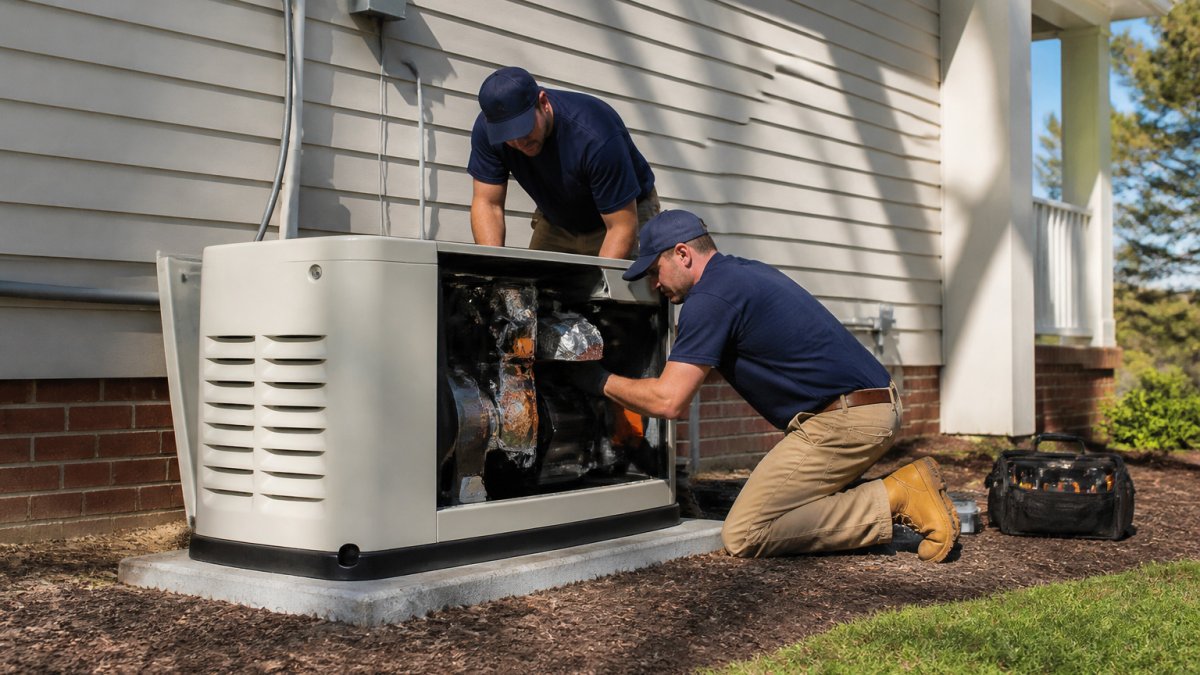
At Generators of Nashville by Evolution Electric, we walk homeowners through these steps before any equipment is ordered.
Here is the short version of the process:
- Measure what you actually use during an outage
- Check whether your electrical panel and inverter can support that load
- Pick a location that meets clearance and environmental rules
Step 1: Run an Energy Audit and Load Calculation
Start with a list of every appliance and circuit in the home. Note its power rating, which is printed on the label or in the manual. Then estimate how many hours per day each one runs.
A load calculation turns that list into a number your battery must cover. Most of the work is in high-draw items: refrigerators, well pumps, HVAC, electric water heaters, and cooking appliances.
Common mistakes:
- Counting only the nameplate wattage and ignoring surge
- Assuming an outage happens at the same time of day as your typical usage
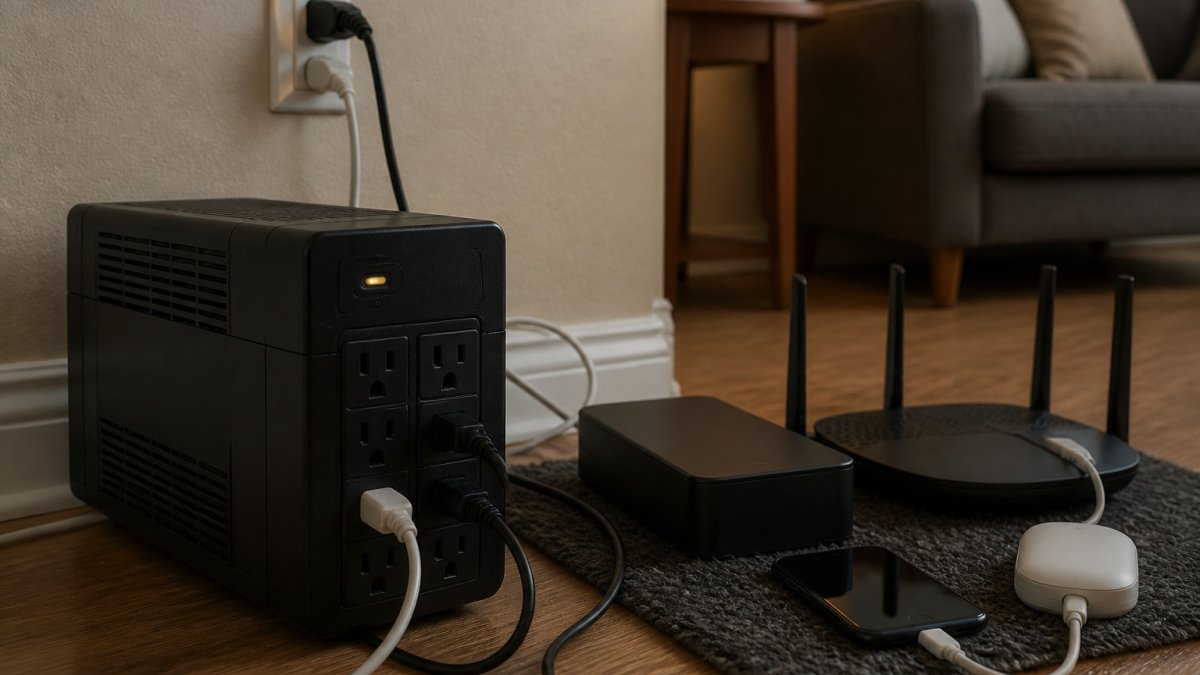
- Forgetting the internet modem, router, and home office equipment
Separating Critical Loads From Whole-House Loads
Not every circuit needs backup. Splitting your loads into two groups keeps the system smaller and cheaper.
- Critical loads: refrigerator, freezer, lights, internet, medical equipment, sump pump
- Whole-house loads: central air, electric range, dryer, water heater
A whole-house system powers both groups; a partial system powers only the critical group. This choice changes battery capacity, inverter size, and cost, so decide before sizing anything.
Step 2: Confirm Electrical Service, Panel Capacity and Inverter Compatibility
Your main electrical service sets the upper limit on what a battery system can back up. A 200-amp service leaves far more room than a 100-amp service, and older homes often have less usable capacity than owners assume.
Service and panel checks
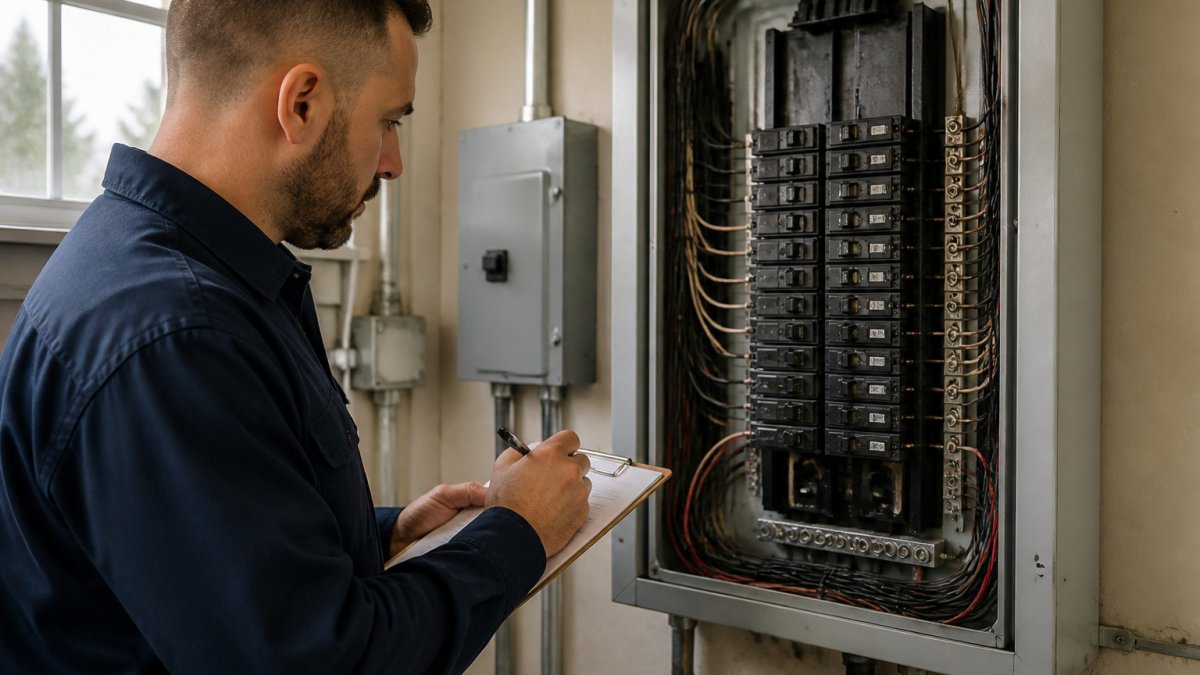
Your electrician should confirm the following at the panel, not from memory:
- Service size and main breaker rating. The ampere rating of the service and the main breaker establishes the ceiling for the whole system.
- Busbar rating. The panel's bus rating may be lower than the service rating, and it limits how much backfed current the panel can accept.
- Available breaker space. A battery and its associated equipment need dedicated breaker positions; a full panel may require a subpanel or a panel replacement.
The backfeed and derating question
When a battery inverter feeds power into a panel, it is a backfeed source. NEC busbar protection rules limit how much backfed current a panel can accept relative to its bus rating and main breaker. This is the most common reason homeowners are told a panel upgrade is needed. Ask the installer to show the calculation, not just the conclusion.
Transfer equipment and backed-up circuits
The transfer equipment determines what the battery can actually power during an outage.
- Whole-home backup typically uses a service-rated automatic transfer switch or a meter-mounted transfer device, and it backs up the entire panel.
- Essential-load backup uses a critical-loads subpanel; only the circuits moved into that subpanel stay energized during an outage.
- Partial backup with a hybrid inverter may use a dedicated backup output on the inverter itself.
The choice changes inverter size, wiring, and cost. Decide which circuits are backed up before sizing the inverter, because the backed-up load, not the total house load, drives inverter and battery sizing.
Inverter compatibility
The inverter converts battery power to usable household power and, in many systems, manages solar charging. Confirm:
- Battery chemistry and communications. The inverter must be listed as compatible with the specific battery model, including the communication protocol between them.
- Surge capability. The inverter's surge rating must cover the starting current of motors and compressors on the backed-up circuits, not just their running wattage.
- Solar pairing. If you have an existing array, confirm whether the inverter can charge the battery from solar, from the grid, or both, and whether the existing solar inverter is compatible or must be replaced.
When a service or panel upgrade is likely
A panel or service upgrade becomes likely when the bus rating cannot accept the backfeed, there is no space for required breakers, the existing panel is damaged or of a type no longer accepted locally, or the backed-up load exceeds what the service can support. These upgrades add cost and time, so they belong in the feasibility conversation, not in a surprise change order after the permit is pulled.
NEC Requirements for Battery Energy Storage Systems
The National Electrical Code (NEC) sets the baseline rules for home battery installs in the United States. Article 706 covers energy storage systems and spells out requirements for disconnects, wiring methods, and labeling.
Take our 60-second quiz for a free quote today! →
Two rules come up in almost every install:
- The system needs a clearly labeled disconnect that shuts off battery power
- Wiring and overcurrent protection must match the battery's rated output
Fire safety standards add more requirements. NFPA 855 sets rules for where batteries can go, how much energy can be stored in one area, and how much space must surround the equipment.
Step 3: Choose Location, Clearances and Environmental Conditions
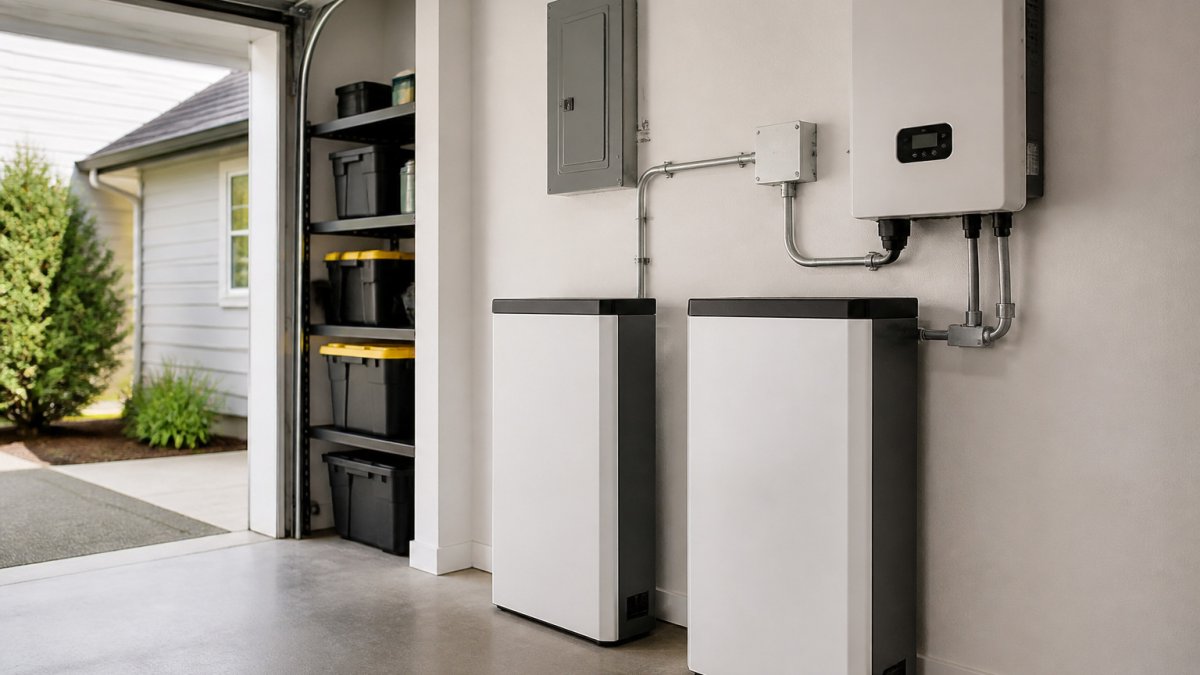
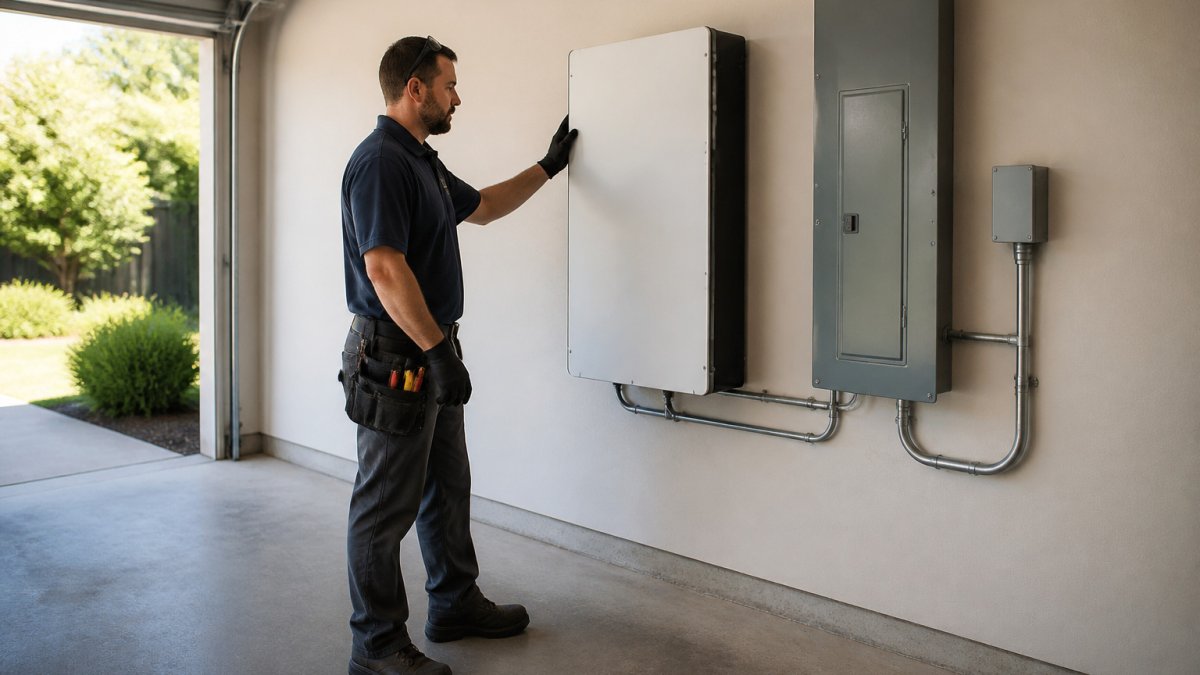
Location decisions affect safety, warranty coverage, and battery life. Most manufacturers list a temperature range, and batteries lose performance or shut down outside it. Cold-climate garages and hot attics are common problem spots.
Plan for these conditions:
- Mount the unit on a wall or floor surface that can support its weight
- Keep required clearance on every side, as listed in the manual and code
- Avoid direct sun, standing water, and areas prone to flooding
Home Battery Backup Permit Process and Inspections
Most jurisdictions require an electrical permit before a home battery is installed, and many require one or more inspections afterward. The building department, not the installer or manufacturer, is the final authority on your project. The practical problem is that "local rules" is not one rulebook: it is a stack of building, electrical, fire, and utility requirements that can differ from one city or county to the next, and even between an incorporated city and the unincorporated county around it.
The four approvals that usually apply
A grid-connected home battery typically touches four separate approval tracks. Confirm each one before equipment is ordered.
- Building/electrical permit. Issued by the local building department or a delegated agency. The application usually needs equipment cut sheets, a single-line diagram, a site plan showing battery location and clearances, and panel or service details.
- Fire review or fire department sign-off. Many jurisdictions route battery permits through the fire marshal, especially for garage, attached-structure, or near-property-line installs. NFPA 855 is the model fire standard most often referenced, but the edition your jurisdiction enforces may not be the latest.
- Utility interconnection approval. A separate application from the building permit. It governs whether the battery can operate in parallel with the grid, whether it can export, and what meter or disconnect the utility requires. This is frequently the longest lead-time item.
- Final inspection and sign-off. The electrical inspector verifies wiring methods, overcurrent protection, disconnects, labeling, and clearances against the locally enforced code edition.
A practical checklist for confirming your local requirements
Use this sequence to pin down the actual rules for a specific address before signing a contract.
- Identify the authority having jurisdiction (AHJ). Call the city or county building department for the property address and ask which agency issues the electrical permit for battery storage.
- Ask for the adopted code editions. Request the NEC edition and NFPA 855 edition currently enforced, plus any local amendments for residential energy storage.
- Ask whether a fire review is separate. Some departments require a fire permit or fire marshal review in addition to the electrical permit; others fold it into one application.
What inspectors commonly look for
The exact checklist is local, but a consistent pattern shows up across jurisdictions:
- A clearly labeled disconnect that isolates the battery from the home wiring and from the grid
- Overcurrent protection and conductor sizing matched to the battery and inverter ratings
- Equipment listing to a recognized standard and installation per the manufacturer's instructions
If an inspection fails
The installer corrects the deficiency and requests a re-inspection, which usually carries its own fee and adds time. Unpermitted battery work can complicate insurance claims, disclosure during a home sale, and future utility approvals, so the permit and inspection record is worth protecting even when the installation looks straightforward.
Cost of Whole Home Battery Installation and What Drives It
Pricing depends on quantity, dates, and delivery, so we cannot give a single figure that fits every home. Costs depend on the factors below.
- Battery capacity: more kilowatt-hours means more runtime and a higher price
- Whole-house versus partial coverage: covering the full home needs a larger inverter and more wiring
- Panel upgrades: an older panel with no open slots may need replacement
For current pricing, contact Generators of Nashville by Evolution Electric for a free, personalized quote.
Installed cost varies with several factors, which the article lists without quoting a figure.
| Cost driver | Effect on price | Note |
|---|---|---|
| Battery capacity | Higher kWh raises price | More capacity means longer runtime |
| Whole-house vs partial | Full coverage costs more | Needs larger inverter and more wiring |
| Panel upgrades | Can add cost | Needed if panel has no open slots |
| Existing solar | Can change cost | May alter inverter and wiring |
Booking Your Site Assessment With Generators of Nashville
Once you have your load list and know your panel capacity, the next step is an on-site assessment. You can request a whole-home backup quote and see which system fits your home.
If you plan to add a battery to solar, you can ask about your existing array during the assessment.
Frequently Asked Questions
Do I need a permit to install a home battery backup system?
In most U.S. jurisdictions, yes. A whole-home battery system that connects to your electrical service typically requires an electrical permit from the local building or electrical authority, along with inspection before the system is energized. The permit process usually asks for equipment specifications, a single-line diagram and load calculations. Requirements differ by county and city, and some utilities also require interconnection approval for systems tied to solar. Ask your installer who pulls the permit and confirm the inspection is complete before you rely on the system for backup.
Can I install a whole home battery backup system myself?
Installing a whole-home battery system is generally work for a licensed electrician. The system connects to your service panel, involves high-voltage DC wiring and must follow the National Electrical Code as adopted locally. Many jurisdictions require a licensed contractor to pull the permit. Unpermitted work can cause insurance claim problems and fines, and it can complicate a future home sale. Homeowner tasks such as clearing the installation area and documenting your load list are reasonable to do yourself.
What electrical code requirements apply to home battery storage?
The NEC addresses battery energy storage systems in Article 706 and related sections, covering disconnects, overcurrent protection, wiring methods and equipment listing. Fire safety standards such as NFPA 855 address installation location, separation distances and maximum stored energy. Your local jurisdiction decides which edition applies and may add requirements. Ask your installer which code cycle your permit is under and whether the equipment carries the listings the inspector will check.
Does a whole home battery backup system need a dedicated circuit breaker?
Yes. The battery and inverter typically require their own dedicated overcurrent protection and a disconnect that meets code, sized to the equipment's rated current. Many systems also use a transfer switch or backup panel that separates critical circuits from the main panel during an outage. Whether your existing panel has room for this depends on its bus rating and available breaker space, which is why a service evaluation should come before equipment is ordered.