 how-to
Are Lithium Iron Phosphate Batteries Safe for Indoors?
Table of Contents
- Why Lithium Iron Phosphate Batteries Are Safer Than Other Lithium Chemistries
- Can LiFePO4 Batteries Be Used Indoors
- Understanding Thermal Runaway and Fire Risk in LiFePO4 Systems
- LiFePO4 Battery Ventilation Requirements for Indoor Spaces
- LiFePO4 Battery Charging Safety and Temperature Management
- LiFePO4 Battery Storage Temperature and Environmental Conditions
- Local Codes, Permits, and Safe Installation Standards
- Frequently Asked Questions
Last Updated: October 10, 2026
Why Lithium Iron Phosphate Batteries Are Safer Than Other Lithium Chemistries
Are lithium iron phosphate batteries safe for indoors? The short answer is yes, when properly installed and maintained. LiFePO4 chemistry is fundamentally more stable than other lithium-ion options like NMC or NCA batteries.
At Generators of Nashville by Evolution Electric, we install home battery systems throughout Middle Tennessee. We consistently recommend LiFePO4 for residential applications because the chemistry itself offers built-in safety advantages. The iron-phosphate compound is inherently non-flammable at normal operating temperatures. Unlike NMC batteries, which use nickel and cobalt, LiFePO4 doesn't release oxygen during thermal stress, making it dramatically harder to ignite.
The practical difference matters for homeowners. A properly installed LiFePO4 battery system can sit in your basement, utility room, or garage without the fire risk associated with other lithium chemistries. That said, "safer" doesn't mean "risk-free." Installation quality, ventilation, temperature management, and a functioning battery management system all play critical roles in keeping your system safe indoors.
Can LiFePO4 Batteries Be Used Indoors
Yes, LiFePO4 batteries can be used indoors safely when installed correctly. Many homeowners use them in basements, utility closets, and spare rooms as part of whole-home backup power systems. The chemistry itself is non-toxic and doesn't produce hazardous fumes under normal operating conditions.
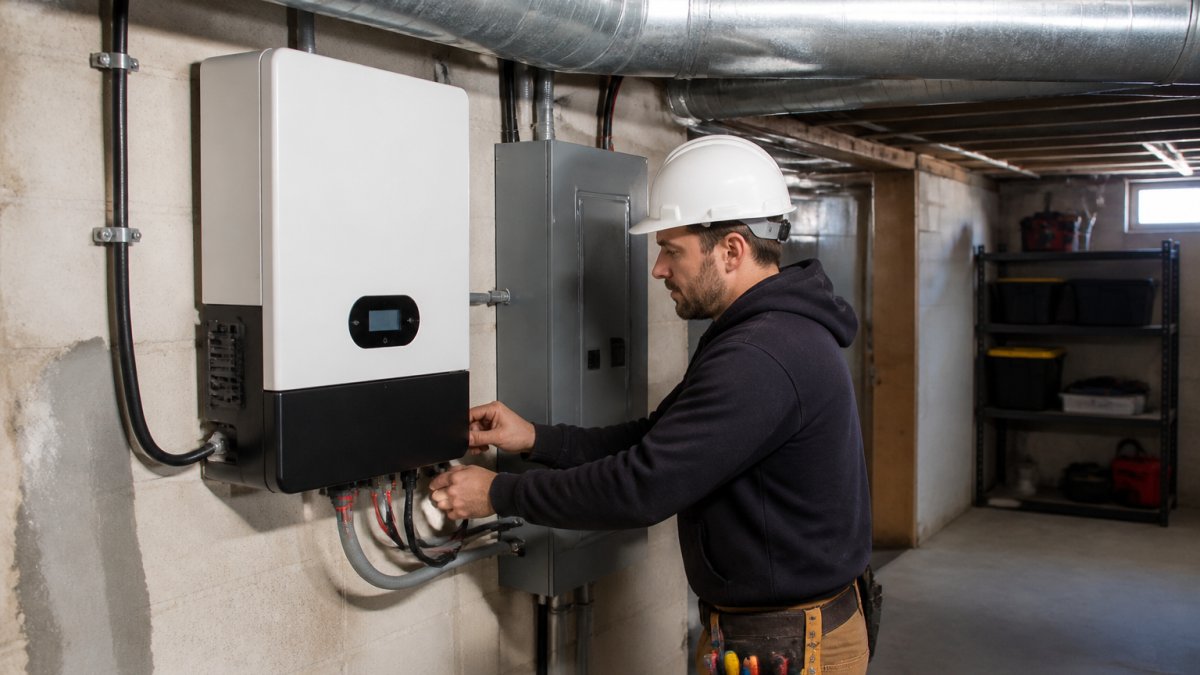
The key is proper placement and installation. Your battery should be:
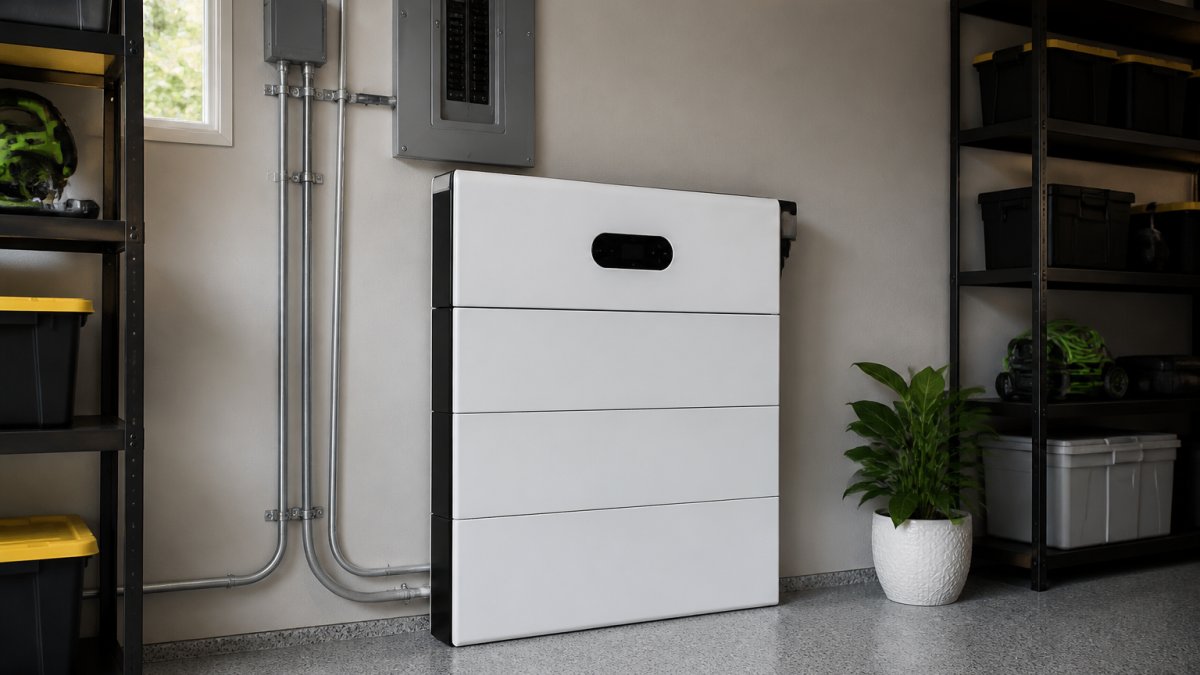
- Mounted on a wall or sturdy surface away from living spaces
- Installed in a room with adequate airflow
- Protected from extreme temperatures and moisture
- Positioned where the battery management system display is visible
- Kept away from water sources and corrosive environments
Indoor placement works because LiFePO4 doesn't off-gas toxic chemicals during normal operation. Compare this to lead-acid batteries, which produce hydrogen and oxygen gases that require ventilation. LiFePO4 systems are cleaner and don't contaminate indoor air when functioning as designed.
Understanding Thermal Runaway and Fire Risk in LiFePO4 Systems
Thermal runaway is the process where a battery enters a self-heating cycle that can lead to fire. In NMC batteries, thermal runaway happens when the cathode material breaks down and releases oxygen, fueling the fire. LiFePO4 chemistry simply doesn't do this.
The iron-phosphate structure is stable even at high temperatures.
However, lower risk is not zero risk. The battery chemistry itself is only one part of the safety equation. System-level failures can still create hazards:
- Inverter or charger faults, A malfunctioning charger can overcharge a battery pack even if the BMS is working, or a faulty inverter can cause voltage spikes that damage cells.
- Wiring and connection failures, Loose connections, corroded terminals, or undersized wiring can generate heat and cause arcing, independent of the battery chemistry.
- BMS limitations, The battery management system monitors voltage, temperature, and current, but it can only act within its design parameters. A catastrophic short circuit or physical damage may overwhelm the BMS before it can disconnect.
- Manufacturing defects, Even reputable manufacturers occasionally produce defective cells or packs. Quality control reduces but does not eliminate this risk.
When choosing a system for your home, verify that the battery includes:
- Multi-layer cell monitoring with redundant temperature sensors
- Automatic disconnect if voltage or current exceeds safe limits
- Overcharge and over-discharge protection
- UL 9540 or equivalent third-party safety certification
- A charger and inverter matched to the battery's specifications and certified for the application
These safeguards turn the inherent stability of LiFePO4 chemistry into a genuinely safer system for indoor use, but they work together. A high-quality battery paired with a poor charger, or a certified system installed with substandard wiring, can still fail. Professional installation by a licensed electrician ensures all components work as a coordinated system.
LiFePO4 Battery Ventilation Requirements for Indoor Spaces
Many people assume LiFePO4 batteries need heavy ventilation like lead-acid systems. This isn't accurate. LiFePO4 doesn't produce hydrogen gas or other volatile compounds during normal charging and discharging. Ventilation requirements are minimal compared to other battery types.
Normal operation: For standard charging and discharging cycles, passive ventilation is sufficient. A room with a door that opens to the rest of your home, or a utility closet with a small exhaust vent, provides adequate airflow. You don't need a dedicated HVAC system or active ventilation fan. The battery management system controls charging speed to minimize heat generation, which means less ventilation demand.
Emergency venting: Although rare, a severely damaged or defective LiFePO4 cell can vent flammable gases or smoke. In these scenarios, ventilation to the outdoors becomes critical. This is why placement matters:
Recommended placements:
- Utility rooms or dedicated battery closets, Ideal if the room has a door that closes and a window or duct to the outside. If a cell vents, the room can be quickly evacuated and gases can escape outdoors.
- Basements with egress windows, Acceptable if the battery is positioned away from the main living area and the basement has a second exit. Avoid corners or enclosed spaces where gases could accumulate.
- Garages with overhead doors, Generally safe because garages are designed for ventilation and are separate from living spaces. Keep the battery away from furnaces, water heaters, or other ignition sources.
- Avoid bedrooms, living rooms, and enclosed spaces, Even though LiFePO4 is safer, placing a battery in a bedroom or sealed closet means occupants could be exposed to smoke or fumes before they realize there's a problem.
Clearance and protection:
- Install the battery at least 3 feet away from water sources, HVAC returns, and areas prone to flooding.
- Protect the battery from physical impact (falling objects, vehicle contact in garages) with a sturdy enclosure or wall-mounted bracket.
- Keep the battery away from direct sunlight and heat sources such as furnaces or water heaters.
- Ensure the battery management system display and emergency disconnect are visible and accessible.
Code requirements: The National Electrical Code (NEC) Article 706 governs energy storage systems. Many jurisdictions also reference the International Fire Code (IFC), which may specify minimum clearances, room size, or ventilation based on battery capacity. A licensed electrician will confirm what your local authority having jurisdiction (AHJ) requires before installation.
Take our 60-second quiz for a free quote today! →
LiFePO4 Battery Charging Safety and Temperature Management
Temperature is the single biggest factor in battery safety and longevity. LiFePO4 batteries operate safely between 32°F and 104°F. Charging outside this range stresses the chemistry and increases failure risk.
Most quality chargers include temperature sensors that prevent charging when conditions are unsafe. If your battery is too cold, the charger simply waits. If it's too hot, charging pauses until temperature normalizes. This automatic protection is standard on reputable systems and is essential for indoor safety.
Cold weather poses a specific challenge in Middle Tennessee winters. Charging a LiFePO4 battery below 32°F can cause permanent damage to the cell structure. If you live in an area with freezing temperatures, ensure your battery system is installed indoors where it stays above freezing, or use a battery heater if outdoor installation is necessary.
Overcharging is another common concern. A functioning battery management system prevents this by stopping current flow when the battery reaches full charge. The BMS monitors each cell individually to ensure balanced charging across the entire pack. Without this protection, overcharging would generate dangerous heat.
LiFePO4 Battery Storage Temperature and Environmental Conditions
Storage conditions matter even when your battery isn't actively charging or discharging. LiFePO4 batteries naturally discharge slowly over time. Temperature affects this self-discharge rate and overall battery health.
Ideal storage temperature is 50°F to 77°F. In these conditions, a fully charged LiFePO4 battery loses only a few percent of capacity per month. Warmer storage temperatures accelerate self-discharge. Colder temperatures slow the process but can stress the chemistry if you charge in cold conditions.
Humidity and moisture are also important. Indoor storage in a dry room is ideal. High humidity doesn't damage LiFePO4 directly, but it can corrode metal connections and terminals over time. A utility room or basement with normal humidity levels poses no problem.
Avoid storing your battery in direct sunlight or near heat sources. Keep it away from water sources and areas prone to flooding. Proper placement in a climate-controlled space indoors solves most environmental concerns.
| Storage Factor | Safe Range | Why It Matters |
|---|---|---|
| Temperature | 50°F to 77°F | Slows degradation, protects chemistry |
| Humidity | 30% to 70% | Prevents corrosion of terminals |
| Light | Indirect or shaded | Protects case materials from UV damage |
| Ventilation | Passive airflow | Prevents heat and humidity concentration |
Local Codes, Permits, and Safe Installation Standards
Installing a battery backup system in your home requires permits in most areas. Electrical codes exist to protect your home and family. Skipping permits might save money short-term, but it creates liability and can void insurance coverage if something goes wrong.
Local jurisdictions in Tennessee require licensed electricians for battery system installations. The work must meet the National Electrical Code (NEC) standards, which specify how batteries, inverters, and wiring must be connected.
Permits typically require:
- Electrical inspection of the battery installation
- Verification that all components are properly grounded
- Confirmation that the system meets current code standards
- Documentation of the installation for your records
We recommend working with a licensed installer like Generators of Nashville by Evolution Electric who understands local codes and can handle the permitting process. Trying to install a system yourself or hiring unlicensed help creates safety risks and legal complications.
Installing a LiFePO4 battery system indoors is safe when you work with experienced professionals who understand the chemistry, local codes, and proper installation practices.
At Generators of Nashville by Evolution Electric, we've been installing backup power systems throughout Middle Tennessee since 2014. We work with proven LiFePO4 systems from manufacturers like EcoFlow, Anker SOLIX, and Jackery.
Frequently Asked Questions
Can LiFePO4 batteries be used indoors without special precautions?
Yes, lithium iron phosphate batteries can be safely used indoors when properly installed and maintained. Unlike some other lithium chemistries, LiFePO4 has superior thermal stability and lower fire risk. However, indoor placement still requires attention to temperature control, adequate ventilation, and compliance with local electrical codes. Your battery management system should protect against overcharging and short circuits. Professional installation ensures your system meets all safety standards.
Do LiFePO4 batteries need ventilation indoors?
LiFePO4 batteries produce minimal gas emissions under normal operation, so they don't require active ventilation like lead-acid batteries. However, proper air circulation in the installation space helps manage heat and extends battery life. Avoid sealed, unventilated closets or extremely humid environments. If your system includes a charger or battery management system, ensure those components have adequate airflow. Place batteries in a dry, temperature-controlled location with natural or passive air movement.
What temperature range is safe for storing and charging LiFePO4 batteries indoors?
LiFePO4 batteries perform best between 50°F and 86°F (10°C to 30°C). Charging should occur above 32°F (0°C) to prevent damage to the battery's internal structure. Storing batteries in a climate-controlled basement or utility room is ideal. Avoid direct sunlight and keep them away from heat sources like furnaces or water heaters. Cold-weather charging below freezing can permanently reduce capacity, so ensure your installation space maintains minimum temperatures during winter months.
Is it safe to charge a LiFePO4 battery overnight indoors?
Yes, charging LiFePO4 batteries overnight is safe when using a compatible charger and proper battery management system. The BMS prevents overcharging by cutting off current once the battery reaches full capacity. Modern lithium chargers are designed to handle extended charging cycles without degradation. However, ensure your charger is rated for LiFePO4 chemistry specifically, as incompatible chargers can cause safety issues. Keep the charging area well-lit and accessible so you can inspect the system if needed.