 how-to
How to Handle Standby Generator Installation Permits
Last Updated: October 26, 2026
Quick Summary
Generator installation permits are official approvals from your local building authority that allow you to install a permanent backup power system on your property. In Nashville, the Department of Codes and Building Safety issues them, and you generally need more than one permit, so confirm the exact list before you file.
- Electrical, mechanical, plumbing or gas, and building permits each cover a different part of the job.
- File most residential generator projects as a combination permit through the metro online permitting portal.
- A complete submittal includes a scaled site plan, manufacturer specs, load calculation, and contractor license number.
- Permit fees are based on declared valuation and trade scopes, not set by the contractor.
- Rough-in electrical, gas pressure test, and final inspections are scheduled as the work progresses.
Table of Contents
- Why Standby Generator Installation Permits Are Required
- Step-by-Step Guide to the Permit Application Process
- Standby Generator Setback Requirements and Zoning Rules
- How to Get a Generator Installation Cost Estimate
- Hiring a Licensed Electrician for Generator Installation
- Inspections, Utility Coordination, and Final Approval
- Start Your Permit-Ready Generator Project
- Frequently Asked Questions
Why Standby Generator Installation Permits Are Required
Generator installation permits are official approvals from your local building authority that allow you to install a permanent backup power system on your property. In Nashville, you generally need more than one permit, and skipping them can force you to remove equipment you already paid to install. Our whole home generator permit requirements guide explains which permits are required and why.
Here is the part most homeowners miss.
Building, Mechanical, and Electrical Permits Explained
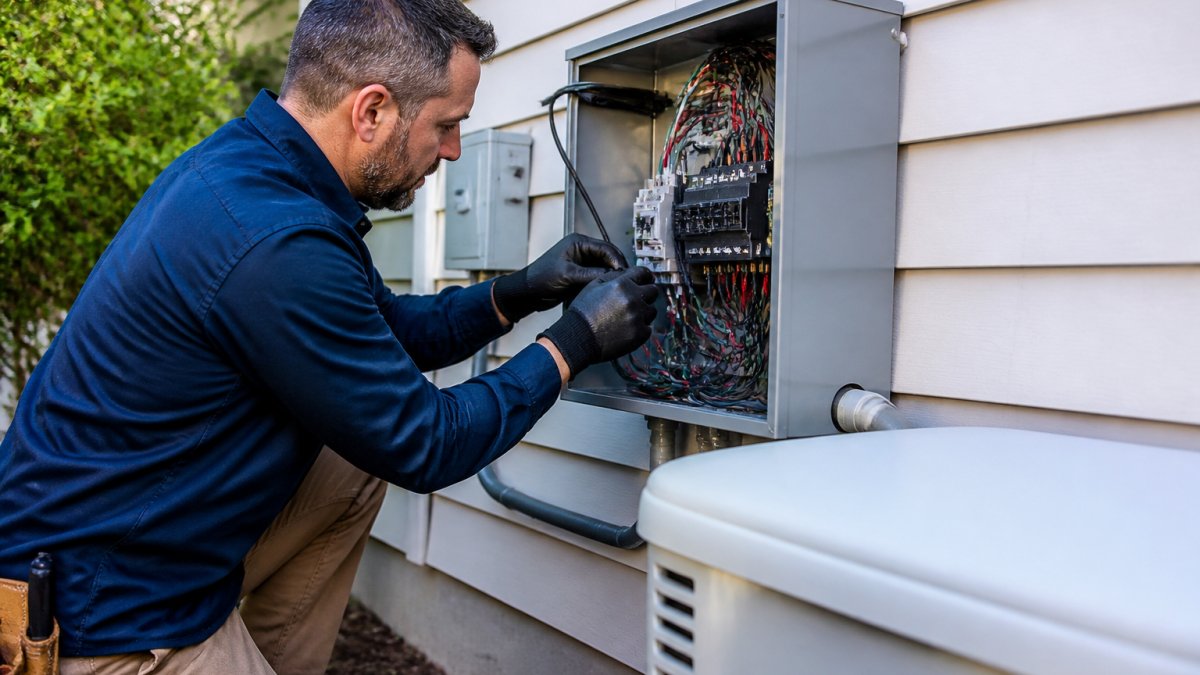
- Electrical permit covers the automatic transfer switch, wiring, grounding, and panel connections.
- Mechanical permit covers the generator unit itself and its mounting.
- Plumbing or gas permit covers the natural gas line or propane connection.
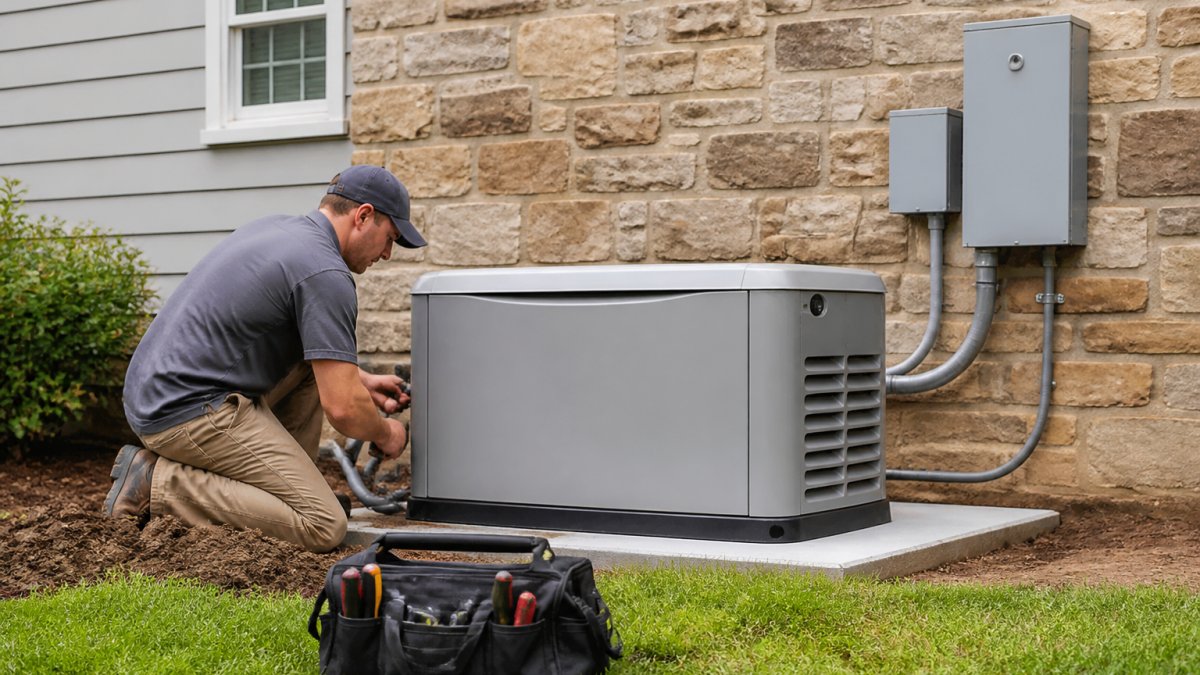
- Building permit covers the concrete pad, structural work, and clearance from the home.
The Nashville Department of Codes and Building Safety issues these permits and runs the inspections. Which ones apply depends on your fuel source and how the unit is mounted, so confirm the exact list before you file anything.
Step-by-Step Guide to the Permit Application Process
- Pull your property record. Start with the parcel viewer on the Metropolitan Government of Nashville and Davidson County property assessor site to confirm your lot lines, setbacks, and any recorded easements. Print or save the parcel map, you will attach it to the submittal.
- Check zoning and HOA rules. Look up your zoning district in the metro zoning code and confirm the accessory-structure and equipment-placement rules for that district. If you are in an HOA or a historic overlay, request the architectural review requirements in writing before you design the pad location.
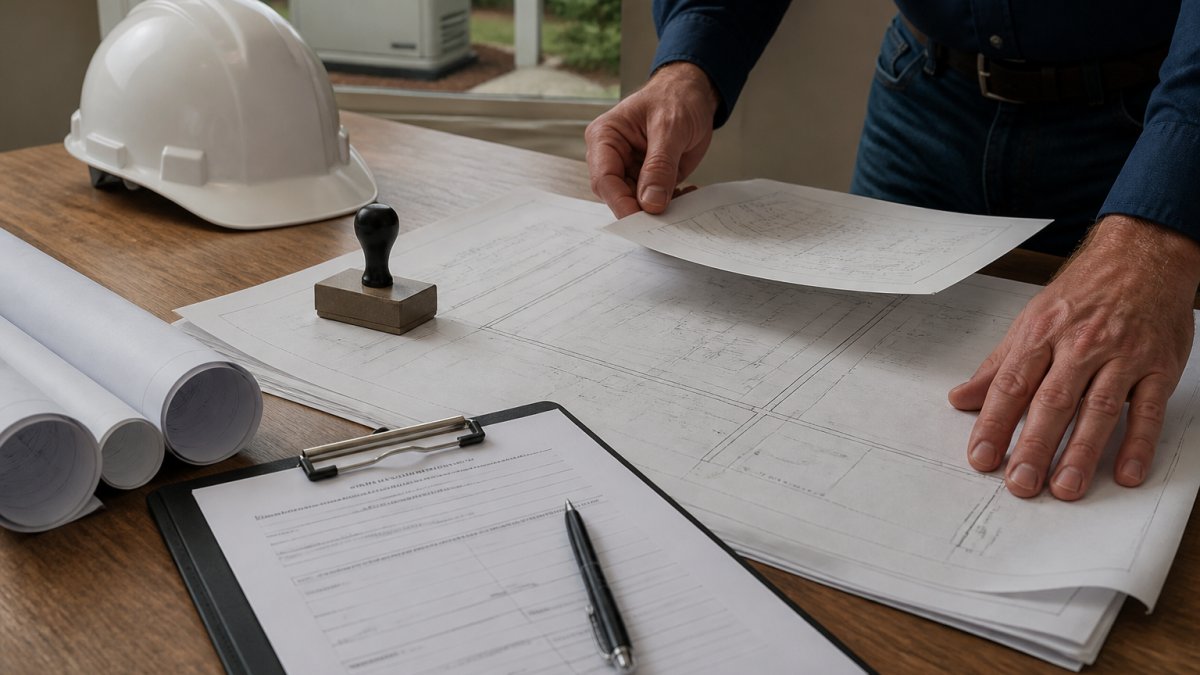
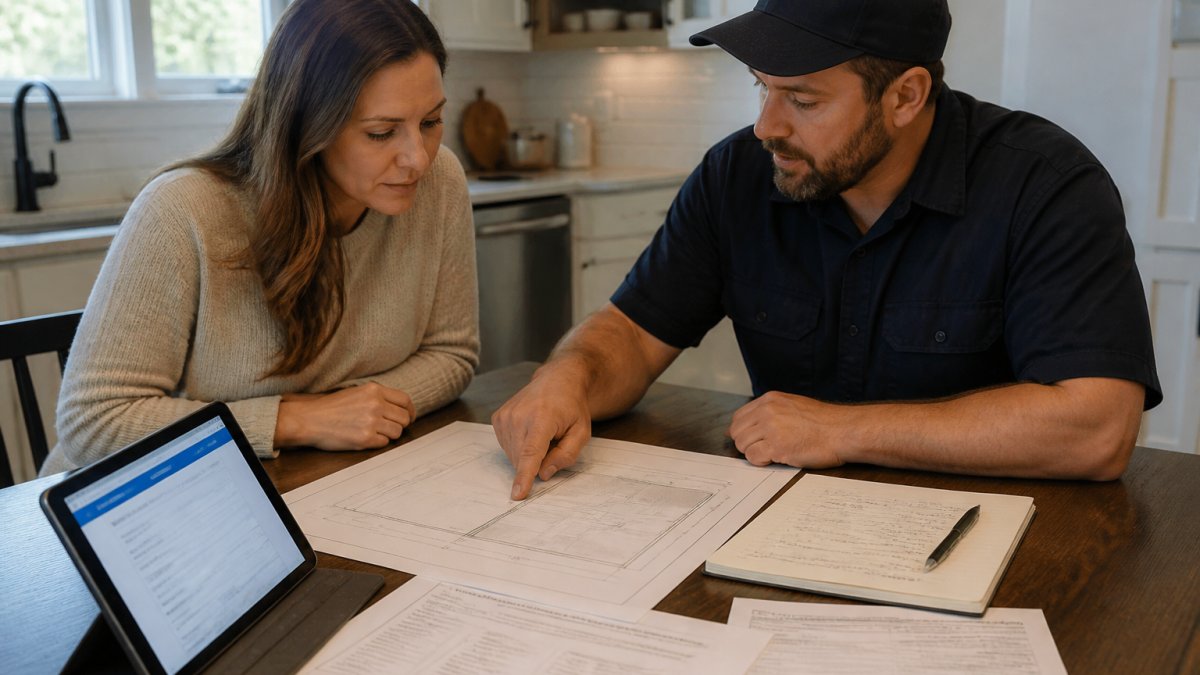
- Gather your documents. A complete submittal typically includes a site plan drawn to scale showing the unit, pad, transfer switch, and distances to property lines and openings; the manufacturer's spec sheet and installation manual; an electrical load calculation; and the contractor's license number. Missing any one of these is the most common cause of a plan-review comment.
- Submit the application. File through the metro online permitting portal under the Nashville Department of Codes and Building Safety. Most residential generator projects are filed as a combination permit so the electrical, mechanical, and gas scopes are reviewed together rather than as separate applications. For a Tennessee-specific walkthrough of each step, see our step-by-step guide to the permit application process.
- Pay fees and track review. Fees are calculated from the declared valuation and the number and type of trade permits. Plan-review turnaround varies with workload and application completeness; incomplete submittals get cycled back to you and the clock restarts.
- Schedule inspections. Book the rough-in electrical, gas pressure test, and final inspections as the work progresses. Most jurisdictions require the rough-in to be signed off before the panel is closed up.
Standby Generator Setback Requirements and Zoning Rules
- Property line distance set by your zoning district.
- Clearance from windows and doors for exhaust and noise.
- Noise level limits that apply at the property line.
- HOA screening rules for fencing or landscaping around the unit.
How to Get a Generator Installation Cost Estimate
Pricing depends on the unit size, fuel type, distance from the panel, and how much site preparation your yard needs. What we can do is show you how the estimate is built so you can compare bids apples to apples.
- Generator unit and transfer switch, the equipment itself, quoted by model number so you can compare like for like.
- Electrical labor and wiring, panel work, conduit runs, grounding, and the transfer-switch install.
- Gas or propane line work, new line, sizing, and the shutoff and sediment trap.
- Concrete pad and site prep, excavation, gravel, the pad, and any grading or drainage.
- Permit fees, the actual fees paid to the codes office, which are set by the jurisdiction and based on declared valuation and trade scopes, not by the contractor.
- Permit and inspection labor, the contractor's time to prepare the submittal, respond to plan-review comments, and meet inspectors. This is a service line, not a government fee, and it should be labeled as such.
- Utility coordination, any charges or time tied to the meter and service tie-in.
- HOA or landscaping work, screening, fencing, or architectural-review submittals.
To get a personalized quote for your home, take our 60-second quiz for a free quote. You can also visit our backup generators Nashville page for local pricing and to request a quote.
Take our 60-second quiz for a free quote today! →
Hiring a Licensed Electrician for Generator Installation
- Are you licensed and insured in this state?
- Who pulls the permit, you or me?
- What happens if an inspection fails?
- Do you handle utility coordination and the gas connection?
Inspections, Utility Coordination, and Final Approval
Expect these checkpoints: Our generator installation timeline expectations for homeowners helps you understand how long inspections and final approval will take.
| Stage | What Gets Checked | Who Signs Off |
|---|---|---|
| Rough-in electrical | Wiring, transfer switch, grounding | Electrical inspector |
| Gas line inspection | Connections, pressure test | Gas/plumbing inspector |
| Utility coordination | Meter and service tie-in | Utility provider |
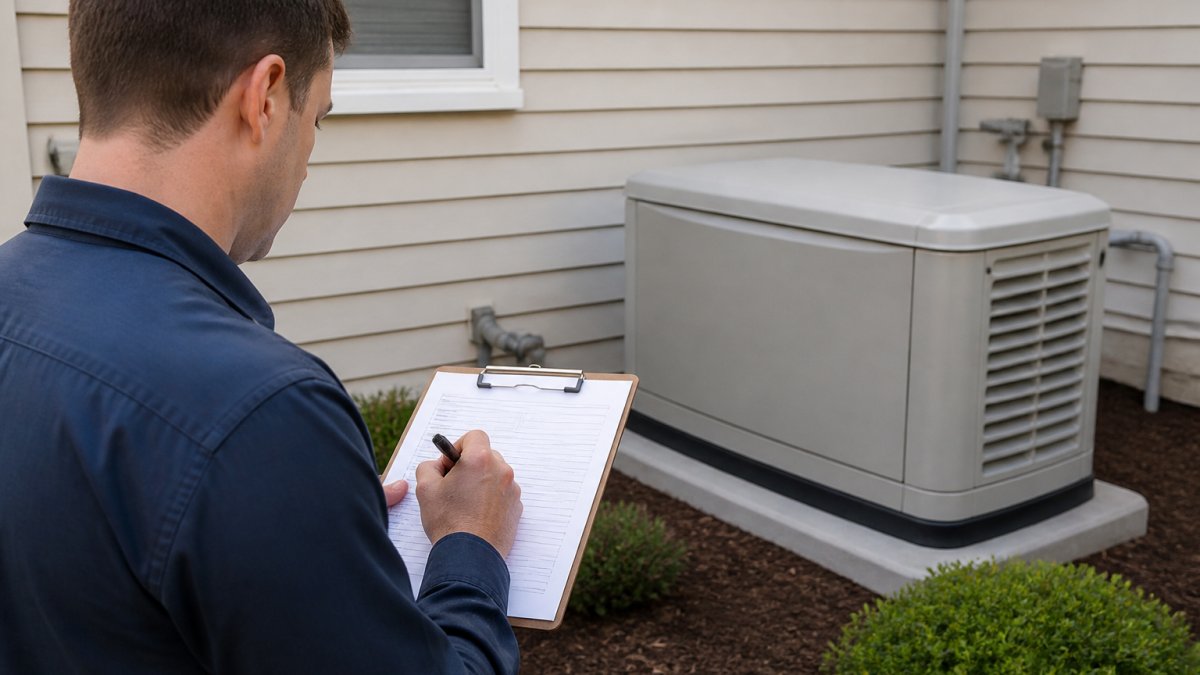
| Final inspection | Full system, clearances, labeling | Codes office |
Start Your Permit-Ready Generator Project
At Generators of Nashville by Evolution Electric, our licensed electricians have handled these installations across Middle Tennessee since 2014. We install Generac generators, solar arrays, and home battery systems from EcoFlow, Anker SOLIX, and Jackery.
Get started with Generators of Nashville by Evolution Electric and take our 60-second quiz for a free, personalized quote on your whole-home backup system.
Frequently Asked Questions
Do I need a building permit to install a standby generator?
Yes. Most jurisdictions require a building permit for a standby generator, and many also require separate mechanical and electrical permits. The permit covers structural mounting, fuel connections, and the automatic transfer switch. Installing without one can lead to fines, forced removal, and problems at resale. Before any work starts, confirm the exact permit types your local building department requires for a residential generator.
What happens if I install a generator without a permit?
Skipping generator installation permits can result in stop-work orders, fines, and a requirement to remove or redo the work at your own cost. Unpermitted work often surfaces during a home sale inspection and can delay or kill a closing. Your insurer may also deny a claim tied to unpermitted equipment. The permit and inspection process exists to confirm code compliance, so it is protection for you, not just paperwork.
What inspections are required after installing a home generator?
Expect at least an electrical inspection covering the transfer switch, grounding, and wiring, plus a mechanical or plumbing inspection for the gas line or propane tank installation. Some areas require a final inspection after utility coordination and commissioning. Keep every inspection sign-off with your permit records. A licensed electrician for generator installation will typically schedule these inspections and correct any issues before final approval.
Are there specific setback requirements for a standby generator?
Standby generator setback requirements vary by zoning ordinance and lot type. Common rules address distance from property lines, the home, windows, and combustible materials, and they often tie to noise level regulations. Local rules may also limit where the unit sits relative to easements. Check your zoning district and any HOA restrictions before choosing a pad location, because moving a generator after the concrete is poured adds cost and delay.