 how-to
7 Steps to Hire a Licensed Electrician for Generator Install
Last Updated: October 25, 2026
Quick Summary
Hire a licensed electrician by verifying their license is real and active through your state lookup before signing anything, then confirm they pull the permit under their own license number. A licensed electrician performs the written load calculation, installs the transfer switch, and is accountable if the work fails inspection.
- A whole-home generator install typically runs four to twelve weeks from signed contract to final inspection.
- Ask your electrician to submit the permit application the same week you sign the contract.
- A proper quote itemizes equipment, labor, permit fees, and the transfer switch separately.
- Do not let anyone energize the system before the final inspection passes.
- Exercise the generator under load quarterly and schedule annual oil, filter, and battery service.
Table of Contents
- Why a Licensed Electrician Is Non-Negotiable for Generator Work
- The Generator Installation Process: Phase-by-Phase Timeline
- Generator Transfer Switch Installation: What Your Electrician Must Get Right
- Questions to Ask a Generator Installer Before You Sign
- Generator Installation Cost: What Drives the Final Price
- Post-Installation Inspection, Testing, and Maintenance Schedule
- Get Your Free Personalized Generator Quote
- Frequently Asked Questions
Why a Licensed Electrician Is Non-Negotiable for Generator Work
A standby generator ties directly into your home's electrical panel. It carries enough current to injure or kill someone who connects it wrong.
The National Electrical Code sets the wiring and grounding standards your electrician must follow. A licensed electrician knows those rules and pulls the permit under their own license.
Before you hire anyone, verify the license is real and active. Our guide on how to verify a licensed electrician walks through the state lookup step by step.
The Generator Installation Process: Phase-by-Phase Timeline
Most homeowners want one number: how long will this take? The honest answer is that a whole-home generator install runs in phases, and two of them sit outside your electrician's control. The table below shows what a typical project looks like when nothing goes wrong, and the notes after it explain where the schedule usually slips.
| Phase | Typical Duration | Who Controls It |
|---|---|---|
| Site evaluation and load calculation | 1-2 days | Your electrician |
| Permit application and approval | 3 days to 6 weeks | Local building department |
| Equipment order and delivery | 2 weeks to 4 months | Manufacturer and dealer |
| Fuel source coordination | 1-3 weeks | Gas utility or propane supplier |
| Electrical rough-in and transfer switch install | 2-4 days | Your electrician |
| Final inspection and commissioning | 1-10 days | Local authority and utility |
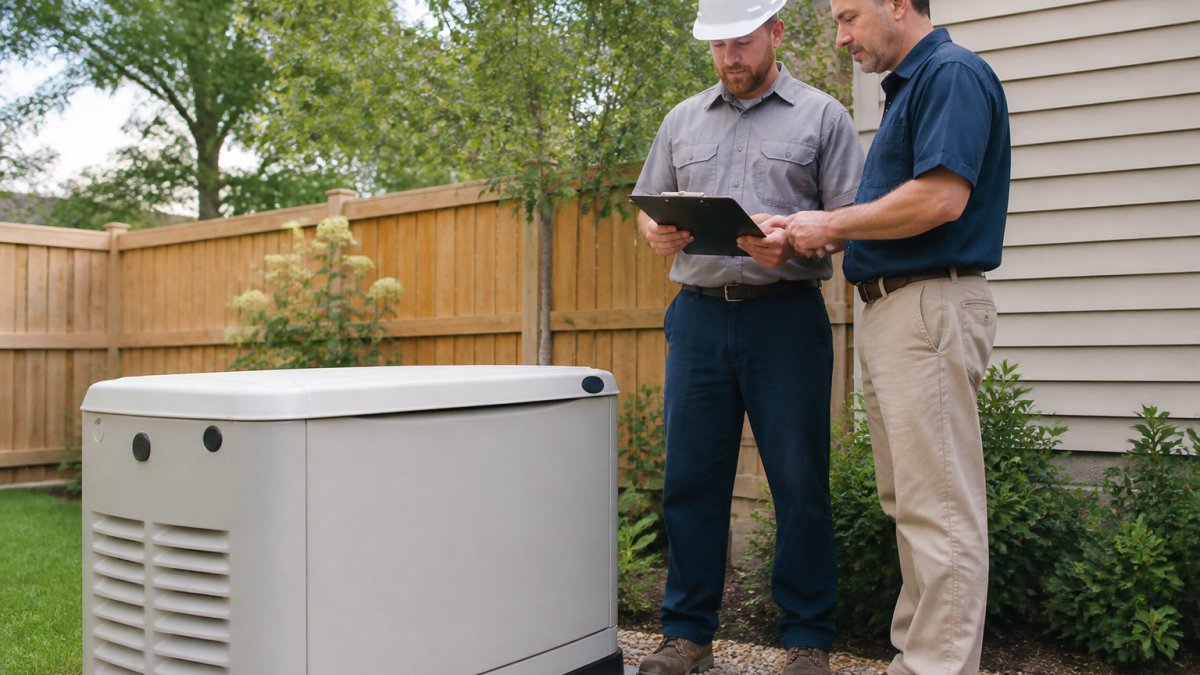
Site Evaluation and Load Calculation
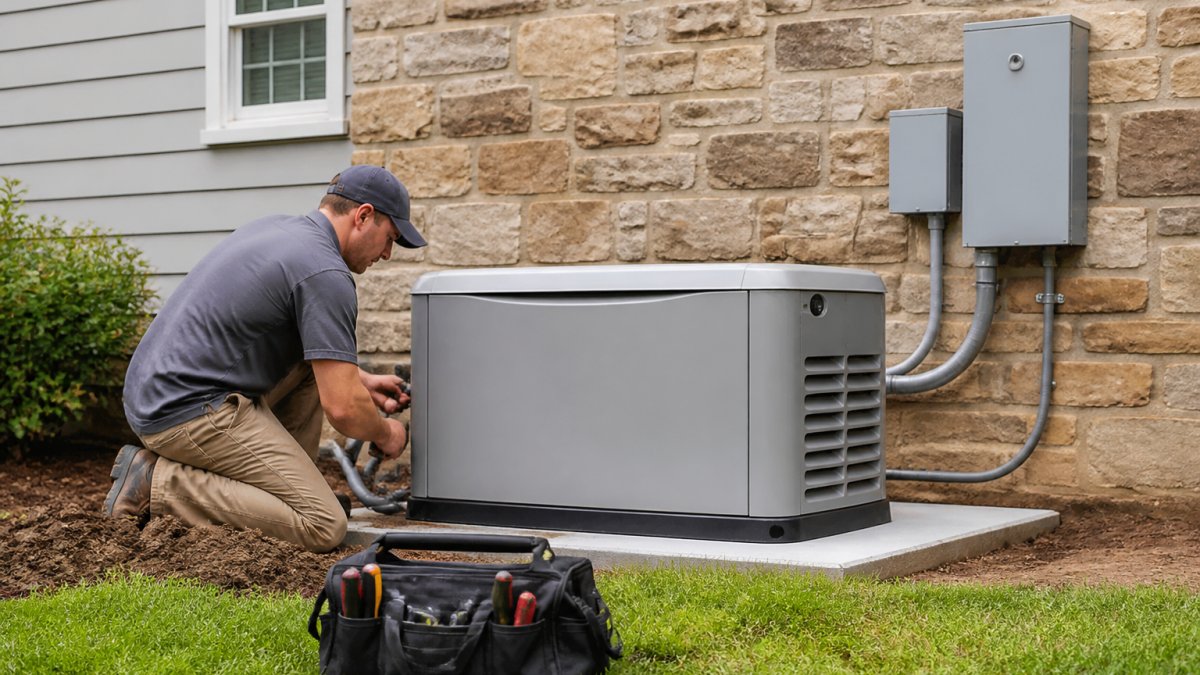
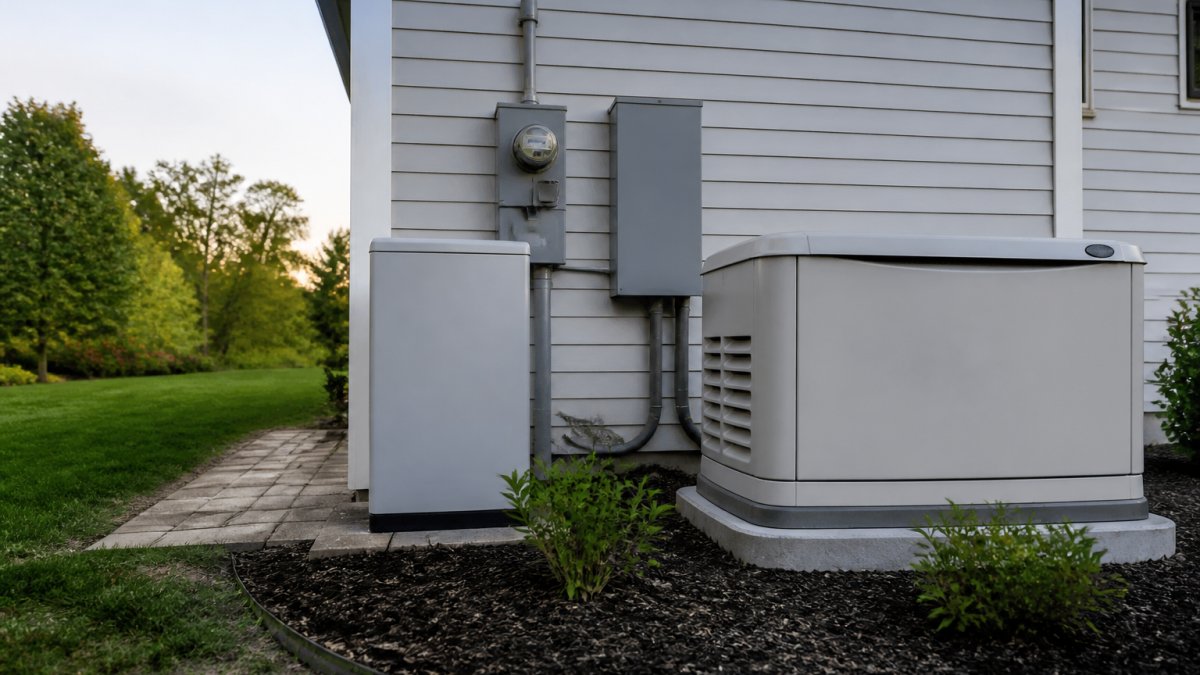
Site evaluation is the first phase, and it decides everything downstream. Your electrician walks the property, checks clearances from windows and property lines, and confirms a well-ventilated area for exhaust.
Then comes the load calculation, a formal power assessment of what your home actually draws. Your electrician totals your appliances, HVAC, well pump, and any remote-work equipment to size the unit correctly. A generator that is undersized will trip when your air conditioner kicks on. An oversized one wastes money and can short-cycle.
Permitting and Equipment Lead Times
This is where timelines stretch, and where most guides go quiet. The permit application goes to your local building department, and approval speed varies widely by jurisdiction. Some issue permits in days; others take weeks, especially after storm seasons when applications pile up.
Equipment delivery adds a second variable. Popular generator models and transfer switch hardware can sit on backorder. The wait is often longest for the specific model and fuel type you want, not for generators in general, so ask your installer whether a comparable unit is in stock locally before you lock in a model.
Plan for the permitting process and equipment lead time to run in parallel where possible. Our breakdown of whole home generator permit requirements covers what your jurisdiction will typically ask for.
Fuel Source Coordination
Fuel is the phase homeowners most often forget to schedule. A natural gas line may need a utility upgrade if your meter can't supply the generator's demand, and the utility, not your electrician, sets that timeline. A propane tank needs placement that meets setback rules and keeps refills practical, and the tank supplier usually has its own lead time. Neither step can be compressed by working longer days, so build them into the schedule early.
Seasonal and Weather Impacts
Weather affects both the work and the calendar. Ground that is frozen or saturated can delay pad prep and trenching. Peak storm season pulls electricians toward repair work, which pushes new installations back. Booking in the shoulder seasons, before the summer cooling peak and before winter ice storm season, is the most reliable way to avoid the spring and fall rush, when both permits and equipment slow down. Securing a professional during these quieter windows requires a proactive approach to finding reliable contractors who can manage the logistical complexities of your specific installation timeline.
Generator Transfer Switch Installation: What Your Electrician Must Get Right
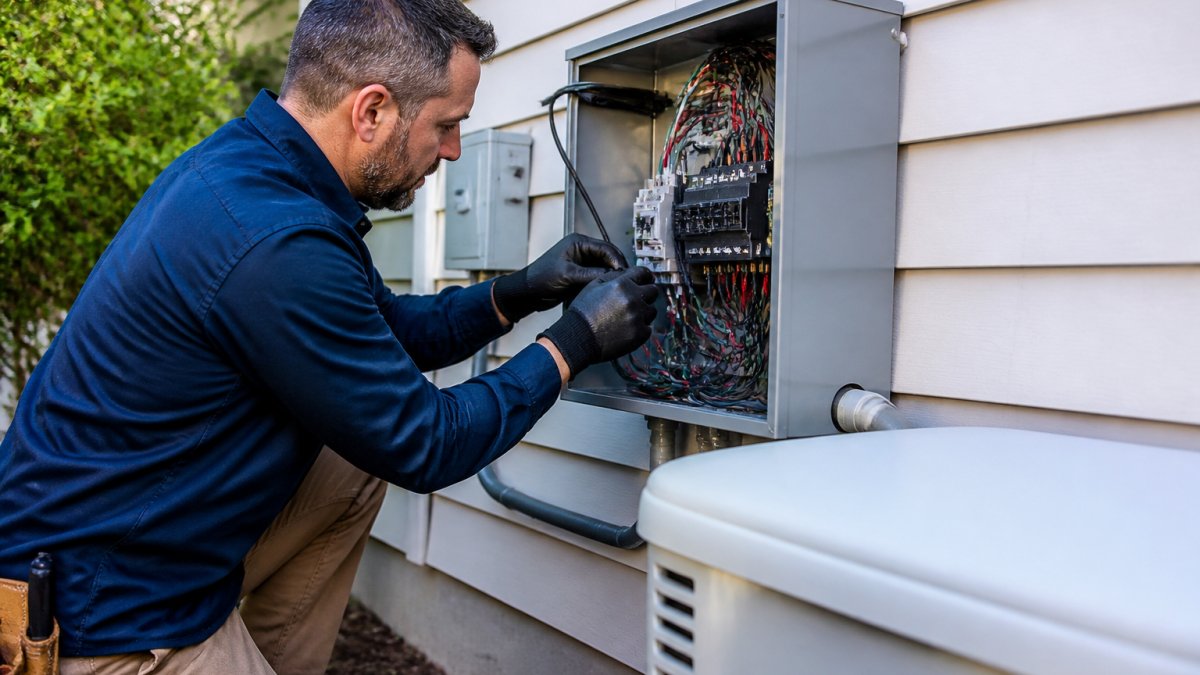
Generator transfer switch installation is the heart of the job. The automatic transfer switch is the device that disconnects your home from utility power interruption and connects it to the generator.
The first is backfeed. Without a proper transfer switch, generator power can flow backward into the utility lines and endanger line workers. The second is a delayed or failed switchover that leaves your home dark anyway.
Your electrician must also handle grounding and voltage testing correctly, and often an electrical panel upgrade if your existing panel lacks capacity. A common mistake is reusing an old panel to save money; it usually surfaces as nuisance tripping later.
Questions to Ask a Generator Installer Before You Sign
Ask these before any contract is signed, and listen for specifics rather than reassurances.
Take our 60-second quiz for a free quote today! →
- Who pulls the permit, and under whose license number?
- Will you perform a written load calculation, or estimate by square footage?
- What happens if the unit fails final inspection?
- Is the transfer switch included in the quote, or billed separately?
- What is the equipment lead time right now, and who tracks the delivery?
- What does the maintenance schedule cover in year one?
A proper quote itemizes equipment, labor, permit fees, and the transfer switch. If yours is a single lump sum, ask for the breakdown. Our guide on what a whole home generator quote should include shows a line-by-line example.
Generator Installation Cost: What Drives the Final Price
Generator installation cost depends on four variables, and none of them is the sticker price of the box.
| Cost Driver | What It Covers | Why It Varies |
|---|---|---|
| Unit size | Capacity matched to load calculation | Larger homes draw more power |
| Fuel connection | Natural gas line or propane tank | Distance from existing supply |
| Electrical work | Panel upgrade, wiring, transfer switch | Age and capacity of current panel |
| Site prep | Concrete pad, clearances, trenching | Yard layout and code setbacks |
Fuel source coordination deserves its own note. A natural gas line may need a utility upgrade if your meter can't supply the generator's demand. A propane tank needs placement that meets setback rules and keeps refills practical. Both affect the schedule as much as the budget.
We do not publish flat prices because the range is too wide to be honest. For a deeper breakdown of what moves the number, read our generator installation cost guide.
Post-Installation Inspection, Testing, and Maintenance Schedule
The job is not finished when the unit lands on the pad. Commissioning comes next: your electrician runs system testing, confirms voltage and frequency under load, and verifies the transfer switch cycles cleanly. That means simulating an outage with the utility feed disconnected and watching the generator pick up the load, then simulating restoration and watching it transfer back without a hiccup. A unit that starts but does not carry load cleanly is not commissioned.
The Final Inspection and Sign-Off Sequence
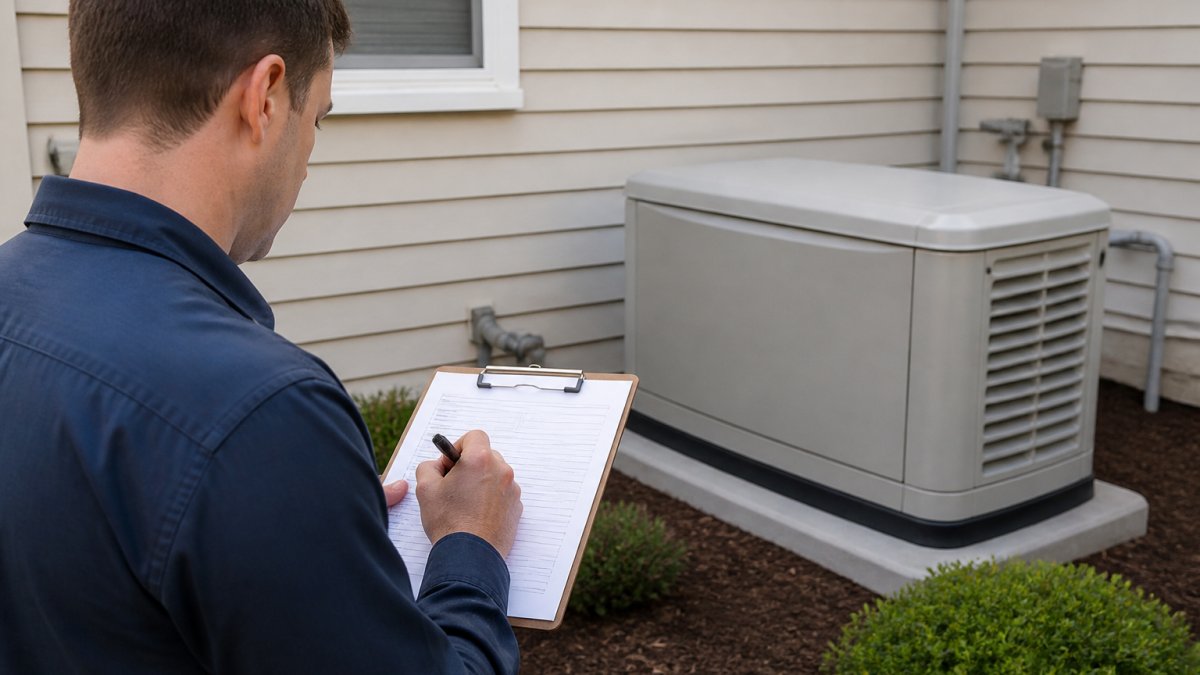
Then comes the final inspection by your local authority. The inspector is checking the things that are easy to get wrong and expensive to fix: grounding and bonding, clearance from the structure and from any opening, the transfer switch wiring, and whether the permit matches what was actually installed. Only after it passes should the system be considered live.
A common pattern is a two-step sign-off. The electrical inspector signs off on the wiring and transfer switch, and a separate inspection covers the fuel line and the unit's placement. If your jurisdiction requires the utility to witness the transfer test before energizing, that adds another appointment to the calendar.
What Inspectors Commonly Flag
Most failed inspections trace back to a short list: grounding and bonding that does not match the manufacturer's instructions, a transfer switch installed without the required clearance, a generator placed too close to a window or door, and a permit that lists a different model than the one installed. Asking your electrician how they handle each of these before the inspection is a fair question, and the answer tells you a lot about how the job was run.
Maintenance Schedule
After sign-off, a maintenance schedule keeps the system reliable:
- Monthly: inspect the unit and check for leaks or obstructions
- Quarterly: exercise the generator under load
- Annually: oil, filters, battery, and full safety compliance check
- After any extended outage: professional inspection before the next season
Seasonal timing matters here too. Installations booked ahead of winter ice storm season avoid the spring rush, when both permits and equipment slow down, and a system that has been exercised under load before the first real outage is far more likely to start when you need it.
Get Your Free Personalized Generator Quote
The gap between a safe install and a costly one usually comes down to who does the work and how carefully they plan it.
At Generators of Nashville by Evolution Electric, our licensed electricians install Generac generators, solar arrays, and home battery systems including EcoFlow, Anker SOLIX, and Jackery. We handle the load calculation, the permit, the transfer switch, and the final inspection as one coordinated job.
Get started with Generators of Nashville by Evolution Electric and take our 60-second quiz for a free quote on a backup power system built for your home.
Frequently Asked Questions
How do I verify that an electrician is licensed and insured for generator work?
Ask for the license number and verify it through your state or local licensing board. Request a certificate of insurance showing general liability and workers' compensation coverage, and call the insurer to confirm it is active. A legitimate licensed electrician will provide these without hesitation. Also confirm the policy covers generator installation specifically, not just general electrical work.
How long does it take to install a standby generator from start to finish?
The physical installation usually takes a few days, but the full generator installation process spans several weeks. Site evaluation, load calculation, permit application, and equipment delivery add time before work begins. Permit approval and equipment lead times vary. Ask your contractor for a written timeline with milestones.
Does a standby generator always require a transfer switch installed by an electrician?
Yes. A generator transfer switch installation is required by code to prevent backfeeding utility lines, which can injure line workers. The transfer switch isolates your home from the grid during an outage and switches back when power returns. Only a licensed electrician should install it because it involves permanent wiring, grounding, and coordination with your electrical panel. Never rely on extension cords or manual plug-in setups for a whole-home system.
Can I install a home generator myself to save money?
No. Most jurisdictions require a licensed electrician for permanent generator wiring, transfer switch installation, fuel connections, and permit sign-off. DIY work voids manufacturer warranties and can fail inspection, costing more to correct. It also creates serious safety hazards including carbon monoxide, electrocution, and backfeeding. Hire a licensed electrician for the electrical and fuel connections, and let them coordinate permits and final inspection.