 blog
Lithium-Ion vs Saltwater Home Batteries: Which Fits Your Home
Last Updated: November 12, 2026
Quick Summary
Lithium-ion is the established choice for most homes today, offering higher energy density, a compact footprint and a mature supply chain. Saltwater (sodium-ion) home batteries are the newer alternative with better safety characteristics, but residential availability is still limited.
- Lithium-ion packs more energy into a smaller, lighter package than saltwater.
- Compare installed cost per usable kilowatt-hour, not the battery's sticker price.
- Sodium-ion cells are generally regarded as less prone to thermal runaway.
- Confirm the battery's continuous and surge power ratings against your largest motor loads.
- Ask for a line-item quote and an estimated backup duration at a stated load.
Table of Contents
- What Saltwater and Lithium-Ion Home Batteries Actually Are
- Lithium-Ion vs. Saltwater Home Battery Cost
- Sodium-Ion Battery Safety Compared with Lithium-Ion
- Sodium-Ion vs. Lithium-Ion Battery Life Cycle
- Sodium-Ion vs. Lithium-Ion Battery Energy Density and Backup Duration
- Cold Weather, Charging Speed and Installation Footprint
- Choosing the Right Home Battery for Your Middle Tennessee Home
- Frequently Asked Questions
Choosing between a lithium-ion and a saltwater home battery is harder than it should be. Most comparisons treat the two chemistries as interchangeable, but they serve different homes, budgets and outage patterns. Generators of Nashville, powered by Evolution Electric, installs home battery systems for homeowners across Middle Tennessee, and the questions we hear most are about cost, safety and how long a battery will actually keep the lights on.
Lithium-ion is the established choice, and it packs a lot of energy into a small, light package. Saltwater (sodium-ion) batteries are the newer alternative, and their residential availability is still limited, which matters for anyone planning an installation soon.
What Saltwater and Lithium-Ion Home Batteries Actually Are
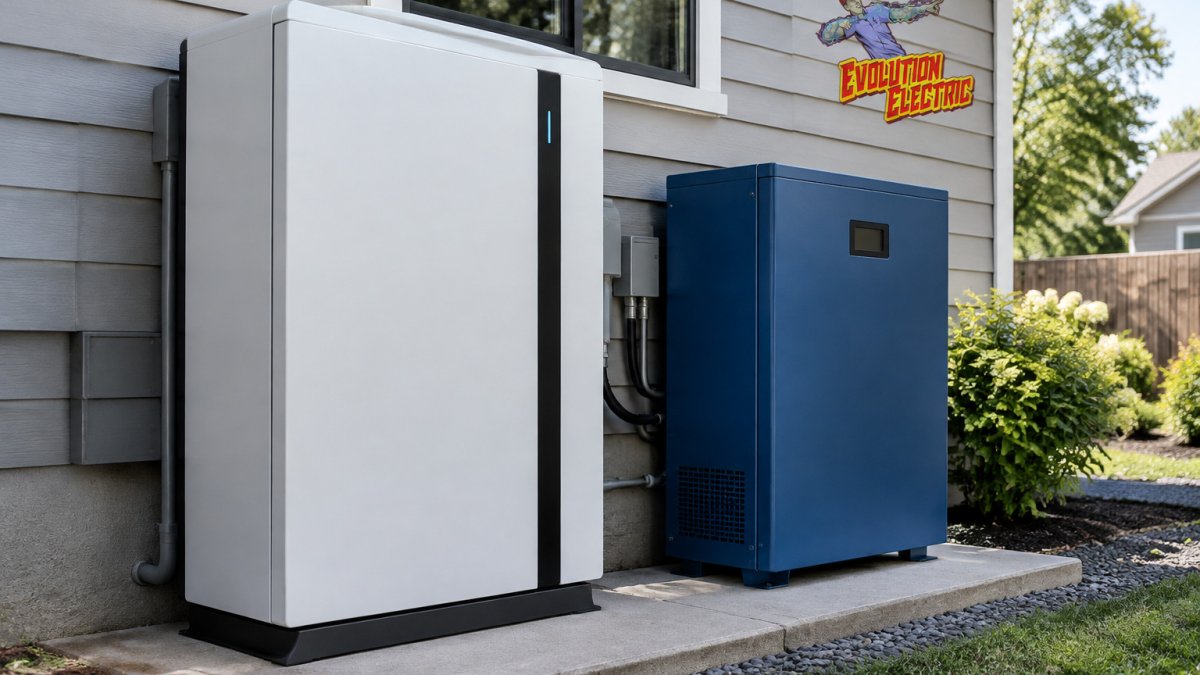
Saltwater batteries are a type of sodium-ion battery, and the chemistry relies on sodium rather than lithium. Lithium-ion batteries move lithium ions through an organic electrolyte. Both store energy the same basic way, but the materials change cost, weight and safety.
Lithium-ion is the more mature technology, and most residential systems use lithium iron phosphate (LFP) chemistry, which trades a little energy density for better stability. Before you buy, confirm the exact chemistry on the spec sheet, because "lithium" covers several different designs.
Lithium-Ion vs. Saltwater Home Battery Cost
Cost is where the two chemistries are most often compared, and broad claims about "cheaper materials" can mislead homeowners. Raw-material savings do not automatically translate into a lower installed cost per usable kilowatt-hour.
Installed cost is not the battery price. A line-item quote typically includes the battery modules, the battery-management system, the inverter or hybrid inverter if one is needed, electrical panel work, disconnects, wiring, permitting, inspection and labor. Ask for a line-item breakdown so you can compare batteries, inverter work, and labor separately rather than comparing a single bundled number.
A more useful comparison than dollars per nameplate kilowatt-hour is dollars per usable, delivered kilowatt-hour over the warranty period. Usable capacity is nameplate capacity multiplied by the depth of discharge the manufacturer allows, and it shrinks as the battery ages. If one system lets you use 90% of its capacity and another only 80%, the first delivers more backup per dollar even at the same sticker price. Divide the installed cost by the usable kilowatt-hours you can actually draw, then factor in the warranted retained capacity at end of warranty and any expected replacement interval.
Watch out: a low price per nameplate kilowatt-hour can hide a shallow usable capacity, a short warranty, or an inverter that must be replaced to pair with the battery. Compare installed cost per usable kilowatt-hour, the retained-capacity guarantee, and the replacement horizon together, not the sticker price alone.
The article's cost points are easier to compare side by side.
| Cost factor | What to check | Why it matters |
|---|---|---|
| Battery price per nameplate kWh | Sticker price | Can hide shallow usable capacity |
| Installed cost | Line-item quote | Includes inverter, panel work, permits and labor |
| Usable capacity | Nameplate times depth of discharge | Sets the energy you can actually draw |
| Retained capacity | End-of-warranty guarantee | Shows delivered value over time |
| Replacement horizon | Inverter and battery replacement needs | Affects lifetime cost |
Sodium-Ion Battery Safety Compared with Lithium-Ion
Safety is the strongest argument for sodium-ion. Sodium-ion cells are generally regarded as less prone to thermal runaway. That does not make any home battery risk-free. Proper ventilation, certified installation and correct clearances still matter for both chemistries.
A common mistake is assuming safety certification covers poor installation. A certified battery installed in a cramped, unventilated space can still create problems.
Sodium-Ion vs. Lithium-Ion Battery Life Cycle
Cycle life is how many full charge-discharge cycles a battery delivers before its capacity drops noticeably. Lithium-ion LFP batteries are commonly rated for several thousand cycles. Long-term field data for sodium-ion residential systems is still thin.
Warranty terms are a useful proxy. Check the cycle count and the retained-capacity guarantee, not only the years. A ten-year warranty on paper means little if the battery is rated for fewer cycles than your usage demands.
Sodium-Ion vs. Lithium-Ion Battery Energy Density and Backup Duration
Energy density is the amount of energy stored per kilogram or per liter. Lithium-ion generally offers higher energy density, which means a lithium system of a given capacity is typically smaller and lighter. For a garage or utility-room installation, that difference can decide whether a given capacity fits at all.
Backup duration is a different question from energy density, and it is the one homeowners actually care about. Our guide on how long a home battery lasts during an outage walks through the numbers at a stated load. Duration depends on usable capacity and your real load, not the nameplate kilowatt-hour rating. Usable capacity is nameplate capacity times the depth of discharge the manufacturer allows, minus losses through the inverter. A battery rated at 10 kWh that allows 90% depth of discharge and loses a few percent in conversion delivers roughly 8.5 to 9 kWh of usable energy to your circuits.
To translate that into hours, you need a load calculation. Start with the circuits you want protected and add up their running watts. A refrigerator might draw a few hundred watts running but far more at compressor startup. A modern air conditioner can draw several thousand watts continuously and much more at startup. Lights, internet, a furnace blower, a sump pump and a well pump each add to the total. Divide usable kilowatt-hours by the average load in kilowatts to estimate hours of backup.
Continuous power and surge capacity matter as much as capacity. A battery with plenty of kilowatt-hours but a low continuous power rating cannot run a large air conditioner even briefly, and a low surge rating may trip when a compressor or well pump starts. Check both the continuous kilowatt rating and the surge rating against the startup draw of your largest motor loads. A system sized only on kilowatt-hours can fail on the first hot afternoon.
Whole-home backup and essential-load backup are different products. Whole-home backup needs a load calculation that includes the air conditioner, electric range, dryer and water heater, and it usually requires a larger battery and a service-rated transfer switch. Essential-load backup protects a subpanel of selected circuits and stretches the same battery much further. Most homeowners find that protecting the refrigerator, internet, lights, furnace blower and a few outlets delivers the outage coverage they actually need at a fraction of the whole-home cost.
Watch out: nameplate kilowatt-hours and usable kilowatt-hours are not the same number, and a battery sized on nameplate capacity alone can leave you short during a multi-day outage. Have an installer size the system against your electric bills, a circuit list, and the startup draw of your largest motor loads, and ask for the estimated backup duration at a stated load.
Cold Weather, Charging Speed and Installation Footprint
Temperature affects both chemistries. Lithium-ion charging slows in cold conditions, and most units should not be charged below freezing unless they have built-in heating. Sodium-ion has shown better low-temperature performance in some tests, which is one reason it gets attention for cold-climate use. Winter ice storms make reliable cold performance worth checking.
Charging speed matters if you rely on solar. A faster charge rate lets the battery capture more midday production. Footprint matters for garages and utility rooms, where lithium's higher energy density saves space. Measure your wall area and clearance requirements before comparing models.
Choosing the Right Home Battery for Your Middle Tennessee Home
For most homes in our service area, lithium-ion is the practical choice today. It offers a mature supply chain, more installers with experience, a compact footprint and well-documented cycle life. If you have space to spare, saltwater is worth watching, but confirm that a licensed installer can supply it and that the warranty is backed by a U.S. distributor. If you are considering an Anker SOLIX-type lithium option, our local installers can quote that system.
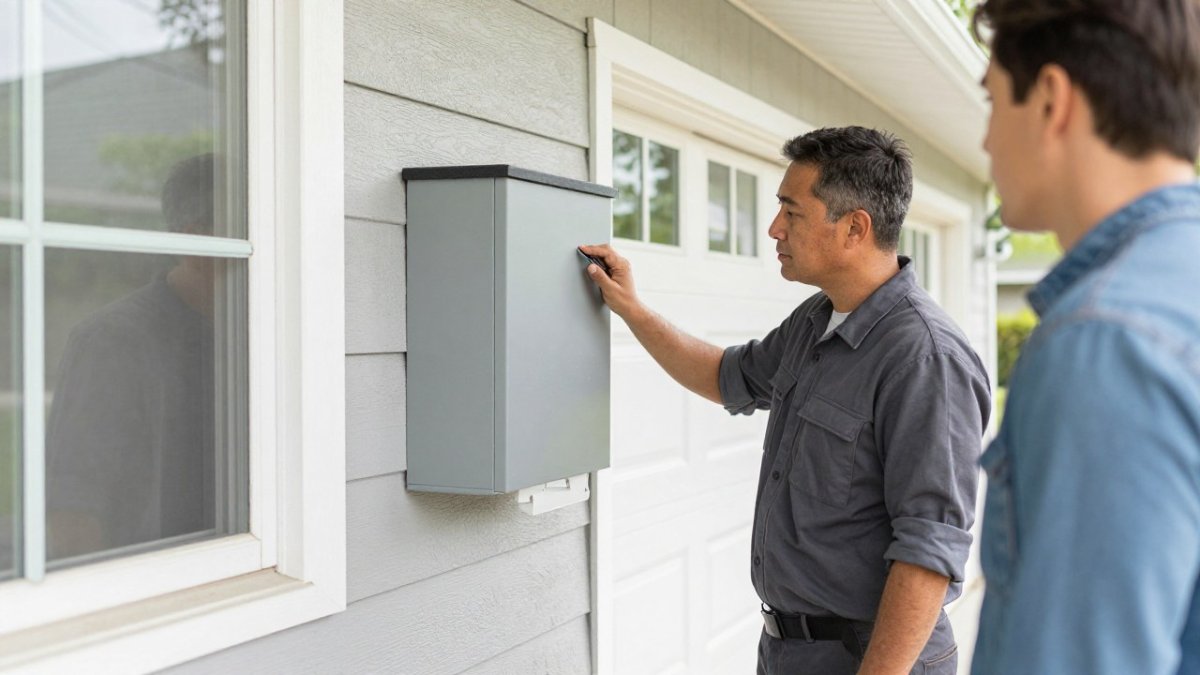
Our licensed electricians serve Middle Tennessee and are an authorized installer of Generac, EcoFlow, Anker SOLIX and Jackery systems, along with whole-home E4G backup options. If you are leaning toward a Tesla Powerwall-style system, we can install that product locally too. Take our 60-second quiz to receive a free, personalized quote for a system sized to your home. Get a quote that shows what backup power will actually cover in your house.
Frequently Asked Questions
Is a saltwater battery better than lithium-ion for home backup?
Neither chemistry is better across the board. Lithium-ion batteries store more energy in less space and are the mature, widely installed option for whole-home backup, so they usually suit homes that need long runtimes from a compact unit. Saltwater, or sodium-ion, batteries offer a non-flammable electrolyte and cheaper raw materials, which can favor safety-focused or budget-conscious buyers. Commercial residential availability is still limited, so confirm which models an installer can actually supply and support before comparing specs.
How much do lithium-ion and saltwater home batteries cost?
Pricing depends on capacity, chosen components, electrical work, permits and whether the system pairs with solar. Installed cost is what matters, not the price of the battery module alone. Because saltwater residential products are less common, quotes can vary widely and availability may affect timing. Contact Generators of Nashville by Evolution Electric for a current quote tailored to your home's load and backup goals.
Which home battery chemistry is safer, saltwater or lithium-ion?
Lithium-ion systems are safe when built to certified standards with a proper battery management system and professional installation. Safety in either case depends heavily on correct installation, ventilation, clearances and code-compliant wiring.
How long do saltwater and lithium-ion home batteries last?
Lithium-ion home batteries commonly carry manufacturer cycle-life ratings in the thousands of cycles, with capacity degrading gradually over time. Field data for sodium-ion residential units is still limited. Compare rated cycle life, warranty terms and depth-of-discharge limits on each specification sheet rather than relying on a single lifespan figure.