 blog
Is Grid-Tied or Off-Grid Solar Better for Your Home?
Last Updated: November 18, 2026
Quick Summary
Grid-tied vs off-grid solar comes down to whether you want the utility as a backup or want full self-reliance. Grid-tied systems are generally simpler and less expensive to install, while off-grid systems need battery storage sized for cloudy days and seasonal dips, which drives most of the added cost.
- Grid-tied systems draw from the utility when solar production falls short and send surplus power back to the grid.
- Off-grid systems need batteries sized for your worst production month, not your average month.
- A standard grid-tied system shuts down during a grid outage, even on sunny days, without a battery.
- A hybrid system adds battery storage to grid-tied solar for outage backup while keeping the grid as a fallback.
- Compare installer quotes line by line, normalizing for backup capability, before deciding which option costs less.
Table of Contents
- Grid-Tied vs Off-Grid Solar: What Each System Does
- How Grid-Tied and Off-Grid Systems Work Day to Day
- Grid-Tied vs Off-Grid Solar Systems Cost: Upfront and Long-Term
- Does Grid-Tied Solar Work During a Power Outage?
- Grid-Tied vs Off-Grid vs Hybrid Solar: Choosing the Right Setup
- Can You Convert Grid-Tied Solar to Off-Grid?
- Which Is Right for You? A Decision Matrix for Middle Tennessee Homes
- Getting a Backup Power Assessment for Your Home
- Frequently Asked Questions
Grid-Tied vs Off-Grid Solar: What Each System Does
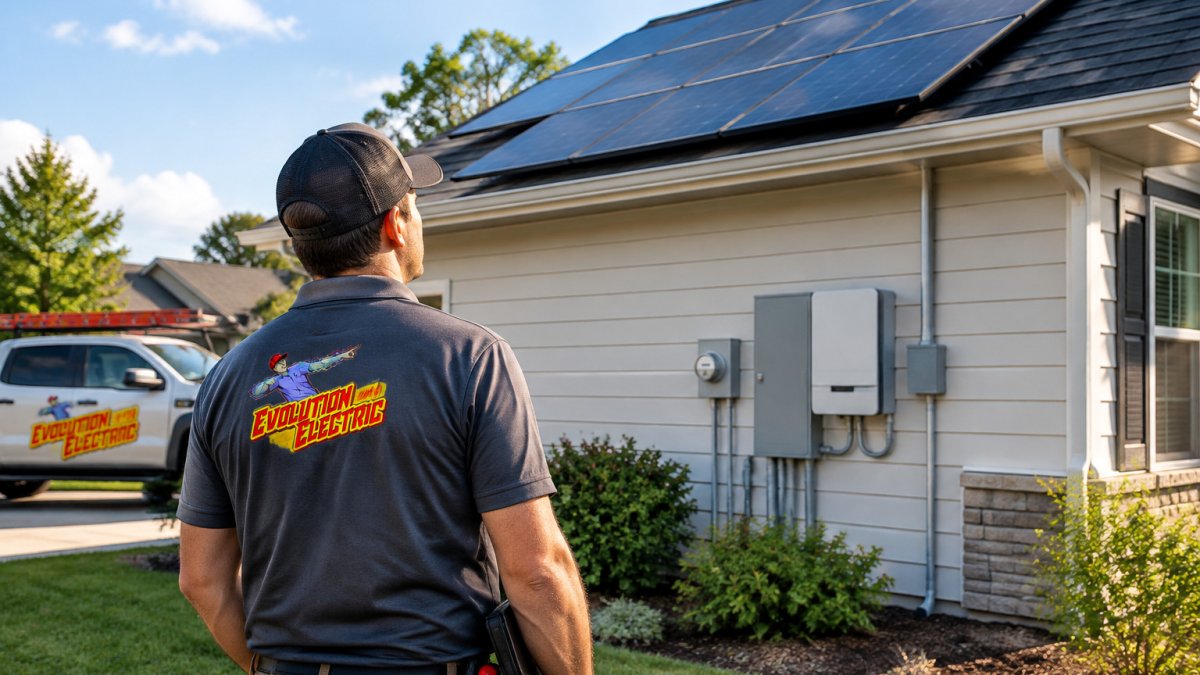
Grid-tied solar connects your panels to the utility grid, so your home draws power from the grid when the sun isn't producing enough. Off-grid solar cuts that connection entirely and relies on panels and batteries alone. The grid-tied vs off-grid solar decision comes down to whether you want the utility as a backup or want to be fully self-reliant. Because the choice hinges on how much you depend on the utility and what you need when it is unavailable, weighing solar and backup power options can help clarify the right balance for your home.
Grid-tied systems are a common choice because they are generally simpler and less expensive to install. U.S. Department of Energy solar energy overview describes the basic operation of residential photovoltaic systems, including how grid connection affects power flow.
Off-grid systems need enough battery capacity to cover nights, cloudy days and seasonal dips in production. That extra storage is what drives most of the added cost and planning work.
How Grid-Tied and Off-Grid Systems Work Day to Day
On a typical sunny day, a grid-tied system powers your home first and sends excess electricity back to the utility. Some utilities credit that surplus through net metering, though the rules vary by provider and state.
An off-grid system works differently. Every kilowatt-hour you use must come from current solar production or stored battery energy. You will manage consumption more actively, especially in winter when production drops.
Watch out: an off-grid system sized only for average monthly use can run dry during a cloudy stretch, so size for your worst month, not your average one.
Grid-Tied vs Off-Grid Solar Systems Cost: Upfront and Long-Term
Upfront cost is where the two designs diverge most, but the gap is driven almost entirely by storage. A grid-tied system needs panels, racking, an inverter, wiring, and a utility interconnection; a battery bank is optional. An off-grid system needs all of that plus a battery bank sized for the worst production stretch of the year, a larger inverter to handle surge loads without grid support, and often a backup generator and transfer equipment.
Because installed prices vary widely by roof, ground-mount, service-panel condition, and local labor, no single number is reliable. The practical approach is to compare line items across quotes rather than compare headline totals. Ask each installer to break out modules, inverter, racking, battery, balance-of-system, labor, permitting, and interconnection fees so you can see where the off-grid premium actually sits.
| Cost category | Grid-Tied | Off-Grid |
|---|---|---|
| Solar array and racking | Required | Required, often larger for winter sizing |
| Inverter | Standard grid-tied inverter | Larger off-grid or hybrid inverter with surge capacity |
| Battery bank | Optional | Required, sized for days of autonomy |
| Backup generator | Optional | Common, especially in cloudy or winter-heavy climates |
| Utility interconnection | Application and possibly upgrade fees | None |
| Ongoing utility bill | Monthly bill continues, offset by production | No utility bill, but generator fuel and maintenance apply |
| Replacement cycle | Inverter around the 10-15 year mark | Inverter plus battery replacement every 8-15 years depending on chemistry and depth of discharge |
Lifecycle cost is where the comparison gets interesting. A grid-tied owner pays more per month but replaces less equipment. An off-grid owner pays far more upfront and then faces a predictable battery-replacement event, lead-acid banks typically need replacement sooner and at lower per-kilowatt-hour cost, while lithium banks last longer and cost more per kilowatt-hour but tolerate deeper discharge.
Incentives change the math on both sides. Confirm current eligibility for any federal, state, or utility incentives with a tax professional and your utility before comparing quotes.
Watch out: comparing a grid-tied quote without batteries to an off-grid quote with a full bank is not an apples-to-apples comparison, normalize both quotes to the same backup capability before deciding which is cheaper.
Best for: grid-tied suits homeowners who want lower upfront cost, a smaller equipment footprint, and reliable power from the utility. Skip if: you need full independence from the utility and can accept a larger initial investment plus a scheduled battery-replacement budget.
Does Grid-Tied Solar Work During a Power Outage?
No. A standard grid-tied system shuts down during a grid outage, even on a bright sunny day (Solar and Resilience Basics). The reason is anti-islanding protection: the inverter must detect loss of the utility reference and stop exporting so it cannot energize lines that line workers may be servicing.
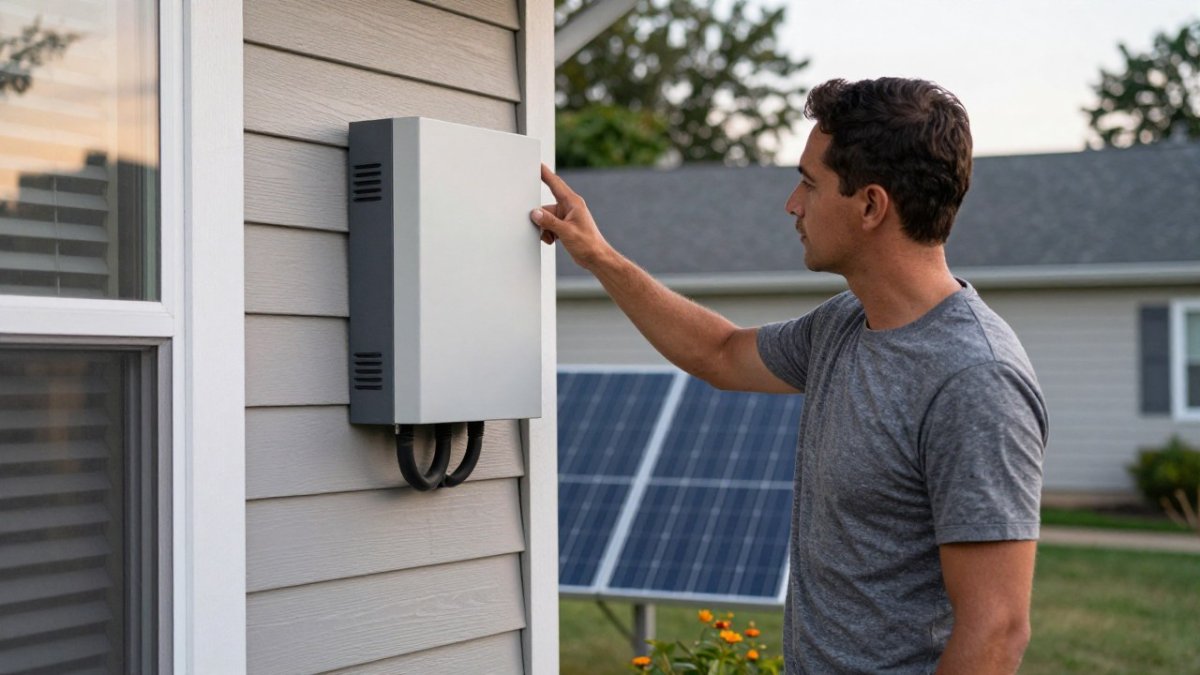
That means a grid-tied array with no battery provides zero backup during an outage. The panels are still producing, but the inverter will not deliver that power to your home without a grid reference or a battery to form one.
There are four practical ways to keep power on:
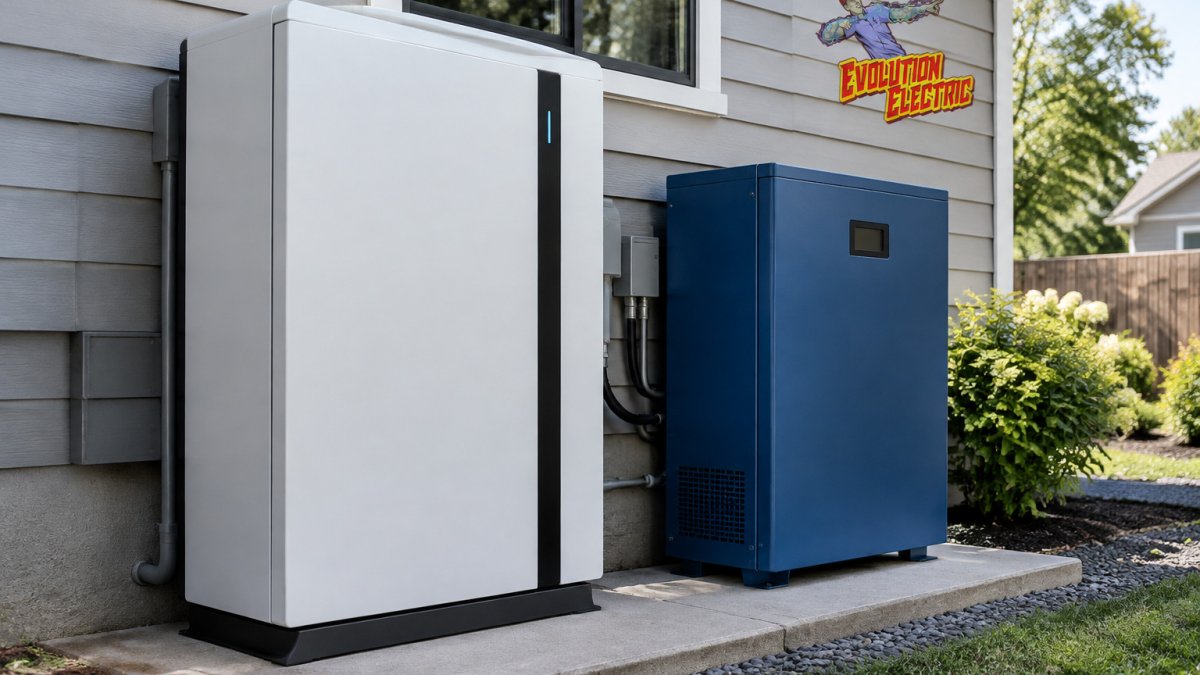
- Battery-backed grid-tied (hybrid) system. A hybrid inverter plus a battery can island the home during an outage and run selected loads, typically a subpanel with the refrigerator, furnace blower, well pump, internet, and a few circuits. Runtime depends on battery capacity and load; most whole-home backup configurations run critical loads for many hours and can recharge from solar the next day.
- AC-coupled battery retrofit. A battery with its own inverter can be added to an existing grid-tied system to provide backup without replacing the original inverter, though the backed-up loads are usually limited to a dedicated panel.
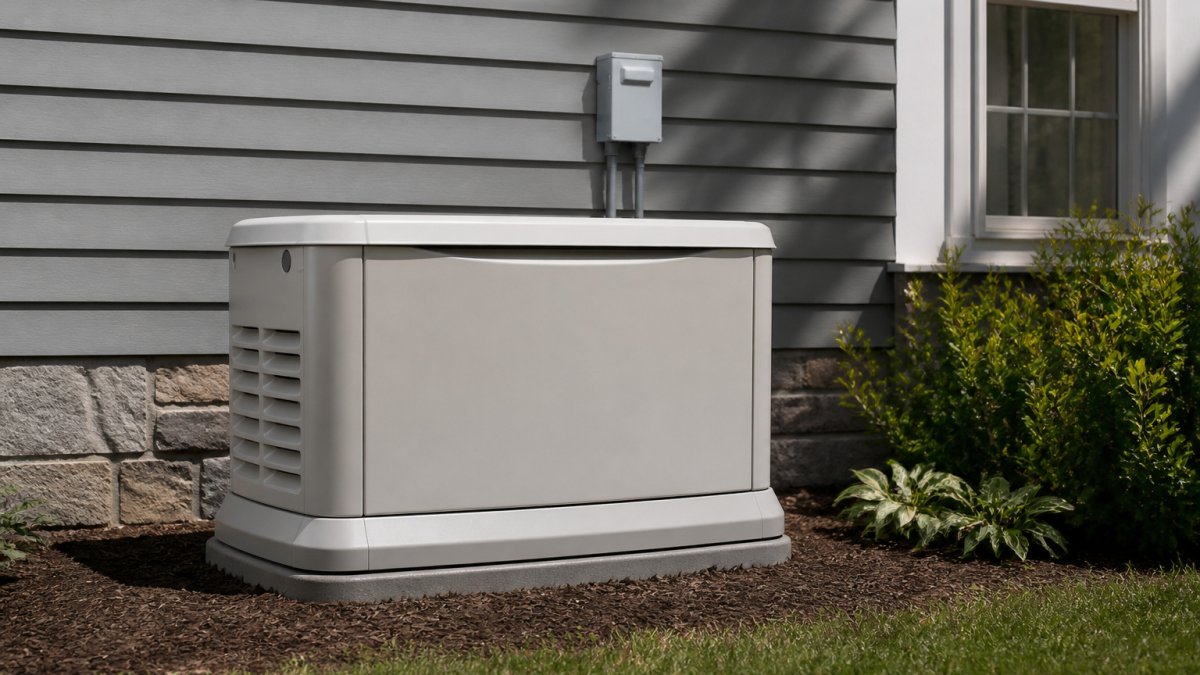
- Standby generator. A permanently installed generator with an automatic transfer switch carries the whole home or a selected panel during an outage. It does not need sun, but it needs fuel and scheduled maintenance.
- Generator plus battery. The battery carries short outages silently and the generator recharges the battery or carries long outages, which reduces generator run time and fuel use.
What you cannot do is rely on the solar array alone. A grid-tied inverter without a battery will not run your home during an outage regardless of array size.
Watch out: a "whole-home" battery claim usually means the battery can carry the whole home for a short period, not indefinitely, ask for the backed-up load list and the expected runtime at your actual consumption, not at an average.
Outage frequency and duration should drive the choice. Homes in storm- and ice-prone areas often pair solar with a battery for short, frequent outages and a generator for multi-day events. Homes with medical equipment or work-from-home requirements usually want the battery sized to carry those loads overnight plus a generator for extended events. FEMA guidance on home power outage preparedness offers general planning advice for extended outages.
Grid-Tied vs Off-Grid vs Hybrid Solar: Choosing the Right Setup
A hybrid system combines grid connection with battery storage, giving you backup power without going fully off-grid. For many households it is the middle path.
Grid-tied suits budget-conscious homeowners. Off-grid suits remote properties with no utility access. Hybrid suits homes that want outage protection while keeping the grid as a fallback.
Solar panels vs home battery backup is a related choice, and our guide [Solar Panels vs Home Battery Backup: Which Fits Your Needs] walks through that comparison in more depth.
Can You Convert Grid-Tied Solar to Off-Grid?
Yes, but the conversion is rarely simple. You will typically need to add battery capacity, change or upgrade the inverter, and possibly add a generator, then disconnect from the utility.
A common mistake is assuming the existing grid-tied inverter can be reused as-is. Most grid-tied inverters are not designed to operate without a grid reference.
Which Is Right for You? A Decision Matrix for Middle Tennessee Homes
Use this quick matrix as a starting point:
- Choose grid-tied if you want the lowest upfront cost and the utility is reliable most of the time.
- Choose hybrid if outages are frequent and you want backup power without full independence.
- Choose off-grid if you have no practical utility access or want complete self-sufficiency and can afford the storage.
If you work from home and cannot lose power for your equipment, a hybrid system with battery backup is usually the safer choice.
Getting a Backup Power Assessment for Your Home
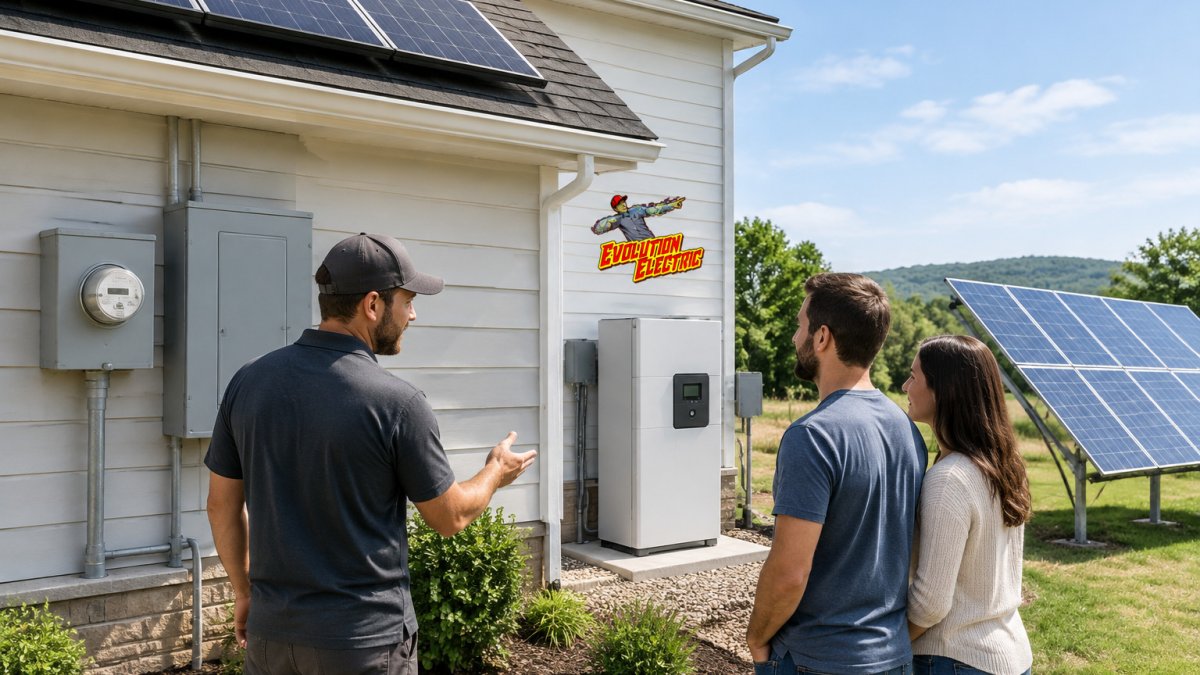
Generators of Nashville, powered by Evolution Electric, provides expert installation of backup power solutions for homeowners throughout Middle Tennessee. A professional assessment can show which setup fits your load, your outage history and your budget. Schedule a backup power assessment with Generators of Nashville or call (615) 961-5930 to talk through your options.
At Generators of Nashville by Evolution Electric, we help Middle Tennessee homeowners choose backup power that matches how their household actually uses electricity. Our licensed electricians have been installing Generac generators, solar arrays and home battery systems since 2014. Compare the systems we install for your home or see generator installation pricing for the Nashville area to start planning. Take our 60-second quiz for a free, personalized quote.
Frequently Asked Questions
Which is better, grid-tied or off-grid solar?
Neither is better for everyone. Grid-tied systems usually cost less upfront because they skip most battery storage and rely on the utility grid as a backup. Off-grid systems suit properties with no utility connection or homeowners who want full energy independence, but they need enough battery capacity and panels to cover the whole household load year-round, including cloudy winter weeks. For most homes in Middle Tennessee with reliable utility service, a grid-tied system with battery backup or a hybrid setup is the practical starting point. A site assessment comparing your electricity use, roof space and outage history is the best way to decide.
Does grid-tied solar work during a power outage?
Standard grid-tied solar systems shut down during a utility outage. This is a safety requirement so that line workers are not exposed to electricity flowing back onto the grid. Without a battery or a separate backup configuration, your panels will not power your home when the grid is down. Adding battery storage with an inverter capable of islanding, or a whole-home backup generator, allows critical loads to keep running during an outage. Ask your installer exactly which circuits stay powered and for how long before you buy.
Can you convert grid-tied solar to off-grid?
Yes, but it is rarely the cheapest path. Converting usually means adding a battery bank, an off-grid or hybrid-capable inverter, and possibly a backup generator, then disconnecting from the utility or keeping the connection only as a backup. Many grid-tied inverters cannot operate without the grid, so you may need new equipment. Plan for enough battery storage to cover several cloudy days, and confirm with your utility and local permitting office how a disconnection or grid-backup arrangement must be handled before work begins.
How much does a grid-tied system cost compared with an off-grid system?
Costs vary with system size, equipment brand, roof conditions and local labor rates, so Generators of Nashville by Evolution Electric does not publish fixed prices in this article. In general, a grid-tied system costs less upfront because it needs fewer panels and little or no battery storage. Off-grid systems require larger battery banks and oversized arrays to cover winter production, which raises both installation cost and maintenance over time. Pricing depends on your household load and site conditions. Request a personalized quote through the 60-second quiz on the brand's website for current figures.