 how-to
How to Verify a Licensed Electrician
Table of Contents
- Why Verify a Licensed Electrician
- How to Search by License Number
- How to Search by Contractor Name
- How to Check if an Electrician Is Insured
- Understanding License Status and Codes
- Questions to Ask an Electrician Before Hiring
- Risks of Hiring Unlicensed Electricians
- Red Flags and What to Do If You Hired an Unlicensed Contractor
- Frequently Asked Questions
Last Updated: September 25, 2026
Why Verify a Licensed Electrician
Hiring an unlicensed electrician might seem like a cost-saving move. It's not. Electrical work done wrong creates fire hazards, code violations, and safety risks that can destroy your home and injure your family. A licensed electrician has passed exams, completed apprenticeships, carries insurance, follows electrical codes, pulls permits, and is accountable if something fails. Before you hire anyone, verify licensed electrician credentials, it takes minutes and protects everything.
How to Search by License Number
Most states maintain public databases where you can instantly pull up licensing records by license number. Here's how:
- Identify your state's licensing board. Each state manages its own electrical licensing. Search "[your state] electrical licensing board" or "[your state] contractor licensing board."
- Go to the public search portal. Most boards have an online database. You'll find a link labeled "License Search," "Verify License," or "Contractor Search."
- Enter the license number. Type the number exactly as it appears on the contractor's business card or quote.
- Review the results. Look for the contractor's name, license type, status, and expiration date.
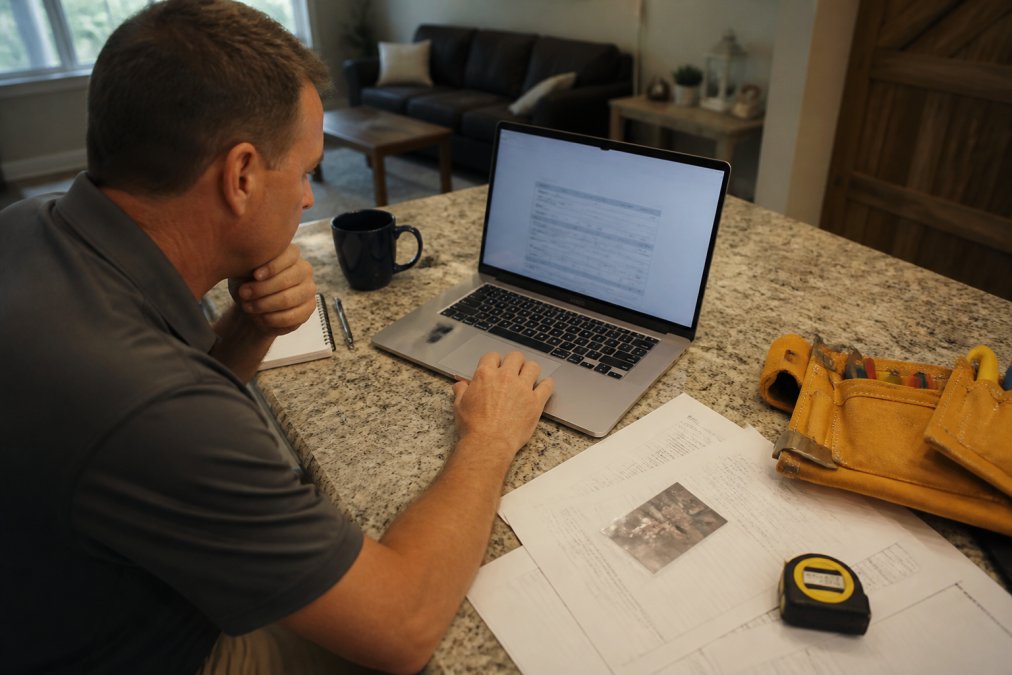
The search returns key information: whether the license is active, when it expires, and any disciplinary actions on record.
Most states update databases in real time, so suspended or revoked licenses appear immediately.
How to Search by Contractor Name
If you only have a contractor's name or business name, you can still verify their license:
- Go to your state's licensing board website. Same portal as the license number search.
- Select "Search by Name" or "Contractor Name." The exact wording varies by state.
- Enter the contractor's name or business name. Try the exact name first. If no results appear, try variations (first and last name only, business name without "LLC," etc.).
- Review all results. Multiple contractors might share similar names. Look for the right person by location, business phone, or other identifying details.
- Verify the license status. Confirm the license is active and matches the person you're hiring.
If you can't find the contractor in the state database, they're either unlicensed or operating under a different legal entity, a red flag.
How to Check if an Electrician Is Insured
A license proves qualification; insurance proves financial responsibility if something goes wrong. Ask for proof of general liability and workers' compensation insurance directly, a legitimate contractor will provide it without hesitation.
Verify the insurance company name, policy number, contractor's name match, active status, and coverage limits (at least $1 million for general liability). Call the insurance company to confirm the policy is active. Most states require workers' compensation insurance, if an electrician is injured on your property without coverage, you could be liable.
Understanding License Status and Codes
License status codes vary by state. Active is the only acceptable status, the electrician can legally work now. Inactive means the license isn't in use and they cannot work until renewed. Expired means they're no longer licensed, do not hire them. Suspended means the board temporarily revoked it due to complaints or violations; they cannot work until lifted. Revoked is permanent and a disqualifier.
Most databases display disciplinary actions separately. One complaint might be an outlier; multiple complaints suggest a pattern. Look for repeated code violations, injury complaints, incomplete work disputes, or education requirement violations. Some states publish details; others require a direct request to the licensing board.
Check the expiration date, if it expires during your project, the work becomes unlicensed partway through. Ask the contractor when their license renews and confirm it won't expire before your project is complete and inspected.
License types vary by state. Some issue separate licenses for residential, commercial, industrial, or low-voltage work; others issue a single license. Confirm the license covers your specific work type, a commercial-only license for a residential project is a red flag.
Save the search result as a PDF, including status, expiration date, and disciplinary records. This protects you in disputes and insurance claims.
Questions to Ask an Electrician Before Hiring
Ask these questions before signing a contract to reveal whether someone is legitimate, professional, and right for your project.
"Can you show me your license and insurance right now?" When you verify licensed electrician credentials, they'll produce these without hesitation. Verify the license number matches the state database and the insurance certificate shows the contractor's name, active policy, and at least $1 million general liability coverage. Call the insurance company to confirm. Professional standards often extend beyond basic state requirements, making it essential to understand how registered electrician credentials function within broader industry frameworks.
"How long have you been licensed?" Cross-check their stated experience against the licensing board database. If they claim 15 years of experience but the license was issued 5 years ago, they're lying. Red flag: If they can't tell you when they became licensed or their story changes, question their credibility.
"Have you done work like mine before? Can you show me examples?" For specialized work (generators, solar, EV chargers), ask for photos and client references. Call at least two previous clients to verify on-time, on-budget completion and satisfaction. Red flag: No examples, no references, or vague references indicate lack of experience.
Take our 60-second quiz for a free quote today! →
"Will you pull permits and get the work inspected?" Licensed electricians pull permits and submit work for inspection. A professional will explain local requirements, timeline, and costs, including permit fees in the estimate. Red flag: If they say permits aren't necessary or suggest skipping inspection to save money, they're unlicensed or cutting corners.
"What's your warranty on the work?" Get the warranty in writing, specifying what's covered (labor, parts, or both), duration, and claim process.
"Who's responsible if something goes wrong after installation?" A licensed electrician accepts responsibility for defects and carries liability insurance.
Risks of Hiring Unlicensed Electricians
The cost savings of hiring an unlicensed electrician evaporate fast when things go wrong.
Red Flags and What to Do If You Hired an Unlicensed Contractor
Some red flags appear before you hire. Others show up during or after the work.
Before hiring, watch for these warning signs:
- The contractor refuses to provide a license number or insurance certificate
- They insist on cash payment only with no receipt
- They pressure you to skip permits and inspections
- They won't provide written estimates or contracts
- They claim they can do the work faster or cheaper by avoiding permits
- They have no business address, only a cell phone number
- They can't provide references or their references don't answer
-
Stop the work. Don't let them continue. Unlicensed work creates liability and safety risks that compound the longer it continues.
-
Document everything. Take photos of the work. Save all communications, quotes, and payments. Write down dates and what was completed.
-
Hire a licensed electrician to inspect the work. They'll identify code violations and safety issues. Get this in writing.
-
Report the unlicensed activity. Contact your state's licensing board. Provide the contractor's name, phone number, and details about the work. The board investigates unlicensed contractors.
-
File a complaint with consumer protection. Your state's attorney general or consumer protection agency can pursue the contractor for fraud or unlicensed work.
-
Contact your insurance company. Report the unlicensed work. Ask whether any damage is covered. Document the conversation.
-
Get the work corrected by a licensed electrician. This costs money, but it's necessary. A licensed electrician will pull permits, do the work correctly, and ensure it passes inspection.
Frequently Asked Questions
How can I check if an electrician is registered with the state?
Visit your state's electrical licensing board website and use their public search portal. You'll typically enter the electrician's license number or full name. The regulatory board will display their active status, license type, expiration date, and any disciplinary actions. Most states maintain these databases online for consumer protection. If you can't find them listed with an active status, they are not licensed.
What information do I need to verify an electrician's license?
Request the electrician's license number, full name, and the state where they're licensed. You'll also want to ask for proof of workers' compensation insurance and general liability coverage. With the license number, you can search most state databases directly. Ask for their business entity name as it appears in the system, since some electricians operate under different business names than their personal names.
What are the main risks of hiring unlicensed electricians?
Unlicensed electricians lack the required training in electrical codes and safety standards, putting your home at serious risk of fire, shock, or system failure. You have no consumer protection if something goes wrong, and you may face fines or costly repairs. Insurance claims may be denied if unlicensed work caused damage. Additionally, unpermitted electrical work can affect your home's resale value and create liability issues if someone is injured on your property.
What's the difference between a licensed electrician and a registered one?
A licensed electrician has passed exams and met experience requirements set by the state regulatory board, earning a formal license that's actively maintained. A registered electrician may have simply filed paperwork with the state but may not have the same training or experience requirements. Licensing is more stringent and offers greater consumer protection. Always verify that your electrician holds an active license, not just a registration.