 ultimate-guide
Protecting Home Appliances From Surges: A Complete Guide
Table of Contents
- What Causes Power Surges and Why Your Appliances Are at Risk
- How Surge Protection Devices Work to Stop Voltage Spikes
- Whole Home Surge Protector Installation: Mainline Protection for Your Entire Electrical System
- Point-of-Use Surge Protection vs. Whole-House Solutions
- Signs of Power Surge Damage to Appliances and What to Do
- Surge Protection for HVAC Systems: Protecting Your Heating and Cooling Investment
- DIY vs. Professional Installation: What You Need to Know
- Conclusion
- Frequently Asked Questions
Last Updated: September 28, 2026
What Causes Power Surges and Why Your Appliances Are at Risk
Power surges are sudden spikes in electrical voltage that exceed the standard 120 volts in your home's circuits. Lasting just microseconds, they can damage or destroy sensitive electronics like refrigerators, HVAC systems, water heaters, computers, and entertainment equipment.
Surges originate from lightning strikes, utility grid switching, heavy-duty appliances cycling on and off, and transformer failures. While lightning is dramatic, grid switching and appliance cycling cause most surge events.
Without proper surge protection, a single significant surge can fry circuit boards or destroy compressors, while repeated minor surges degrade components over time. Protecting home appliances from surges is essential to avoid costly replacements.
How Surge Protection Devices Work to Stop Voltage Spikes
Surge protection devices (SPDs) detect abnormal voltage and redirect excess energy away from appliances using a metal oxide varistor (MOV). Under normal voltage, the MOV has high resistance and allows power to flow freely. When voltage spikes above the clamping voltage threshold, the MOV's resistance drops, diverting excess energy to ground.
Quality SPDs respond in nanoseconds to clamp voltage before damage occurs. Joule rating measures how much energy an SPD can absorb before failure; higher ratings handle multiple surges before replacement is needed.
Understanding Joule Ratings and Selecting the Right Protection Level
Joule ratings directly determine how long your surge protector will protect your appliances. Point-of-use protectors typically range from 600 to 2,000 joules, while whole-house protectors offer 10,000 joules or more.
Desktop computers and entertainment systems require 1,000 to 2,000 joules; networked printers and smart hubs need 600 to 1,000 joules. For whole-house protection, the National Electrical Code recommends a minimum of 10,000 joules.
A 1,000-joule protector will absorb a 500-joule surge and remain functional, while a 600-joule protector will degrade faster. Buying the highest joule rating you can afford extends your surge protector's lifespan and ensures it survives multiple surge events.
Clamping voltage is the voltage level at which the MOV activates and diverts energy. Lower clamping voltages (330 volts or less) protect sensitive electronics; standard voltages (400-600 volts) work for general appliances. Check both joule rating and clamping voltage before purchasing.
Proper grounding is essential; without it, the SPD cannot safely divert energy. A surge protector plugged into an ungrounded outlet or two-prong adapter will not function effectively, regardless of joule rating.
Whole Home Surge Protector Installation: Mainline Protection for Your Entire Electrical System
A whole-house surge protector installed at your electrical panel provides comprehensive protection by connecting directly to your main electrical service. It catches surges at the entry point before they spread through your wiring.
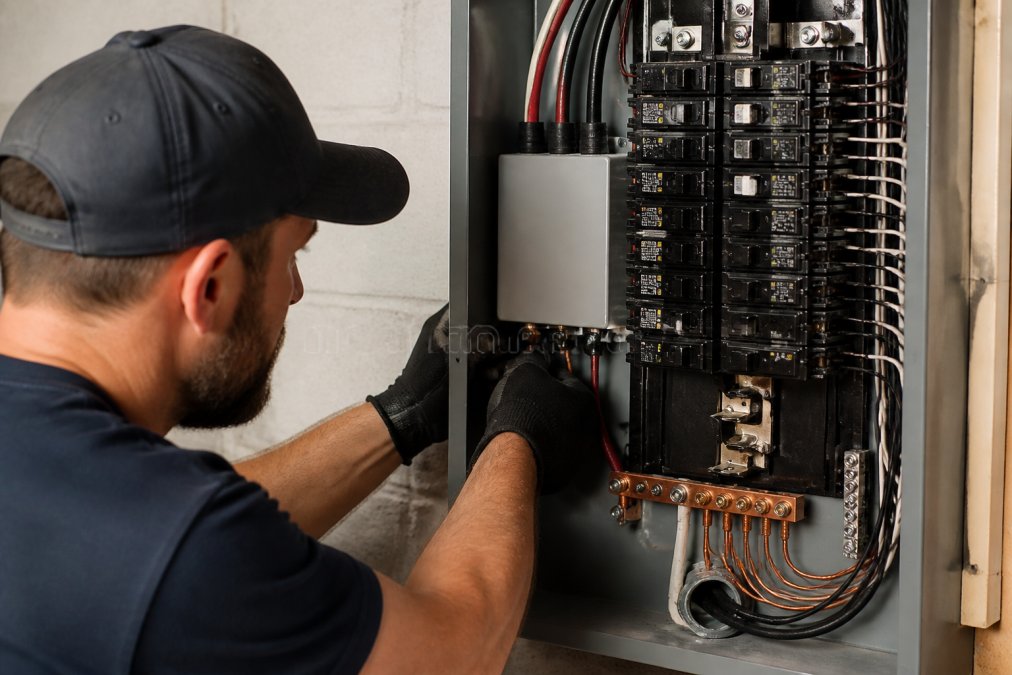
Whole-house surge protection protects your HVAC system, water heater, garage door opener, and all hardwired appliances. Installation requires a licensed electrician to work inside your electrical panel and ensure proper grounding to your home's grounding electrode system.
A licensed electrician ensures the SPD is installed according to the National Electrical Code, with secure connections and adequate grounding. Generators of Nashville by Evolution Electric has installed whole-house surge protection throughout Middle Tennessee since 2014.
Point-of-Use Surge Protection vs. Whole-House Solutions
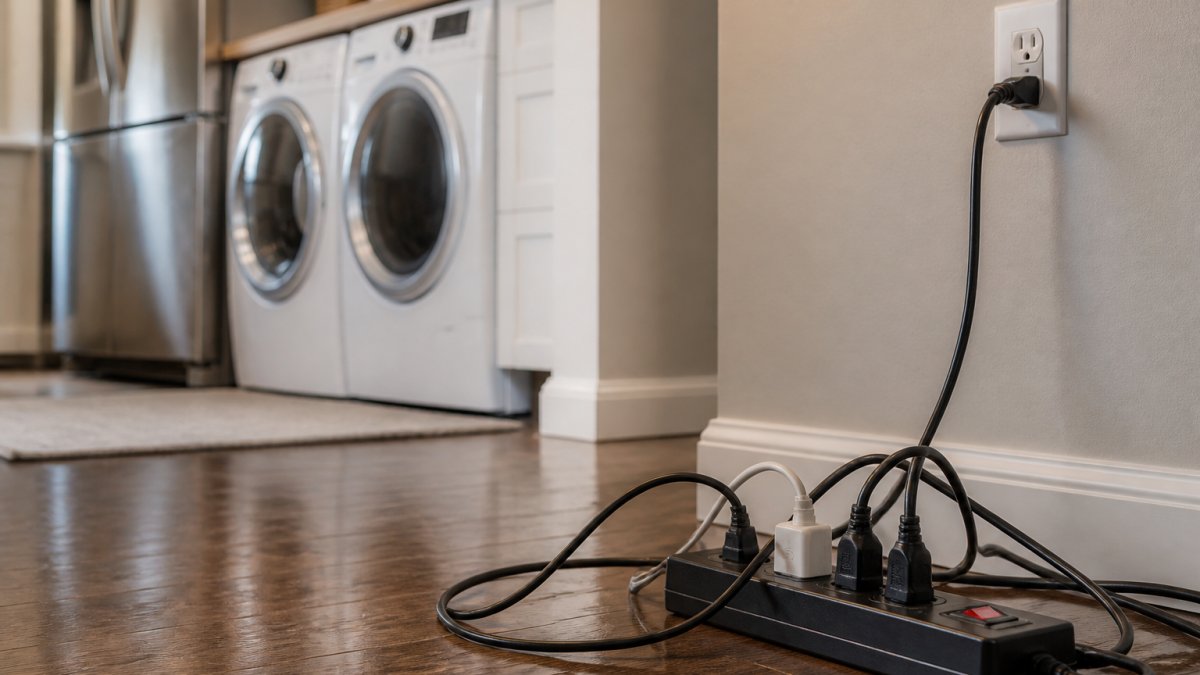
Point-of-use surge protectors are power strips and outlet adapters that protect individual appliances or groups of devices. They're affordable and easy to install but only protect what's plugged into them, not hardwired appliances like HVAC systems or water heaters.
Whole-house surge protection operates at the electrical panel level, catching surges before they enter your home's wiring. It provides blanket coverage for all appliances but requires higher upfront cost and professional installation.
The ideal approach combines both strategies: install a whole-house surge protector at your electrical panel, then use point-of-use protectors for sensitive electronics. This layered defense catches surges at multiple levels.
Take our 60-second quiz for a free quote today! →
Signs of Power Surge Damage to Appliances and What to Do
Power surge damage may be immediate or gradual. Signs include appliances that won't turn on, devices cycling erratically, poor performance, or visible burn marks. Multiple appliances failing simultaneously often indicates a surge.
If you suspect surge damage, unplug the appliance immediately and contact a qualified technician. Document the date and affected appliances to help identify whether your home needs better surge protection.
After a major storm or lightning strike, inspect your home for physical signs of electrical damage. Look for scorch marks on outlets, a burning smell near your electrical panel, or tripped circuit breakers that won't reset. These are signs that a significant surge has occurred. If you notice any of these indicators, have a licensed electrician inspect your electrical system before using appliances again.
Surge Protection for HVAC Systems: Protecting Your Heating and Cooling Investment
Your HVAC system is one of your home's most expensive and critical appliances. A single power surge can damage the compressor, control board, or fan motor, leaving you without heating or cooling when you need it most. HVAC systems are particularly vulnerable because they contain sensitive electronic controls and run frequently throughout the year, increasing their exposure to surge events.
Whole-house surge protection provides the first line of defense for your HVAC system. The SPD at your electrical panel protects the incoming power before it reaches your furnace or air conditioning unit. However, many HVAC professionals recommend adding a secondary surge protector specifically for the HVAC unit itself.
DIY vs. Professional Installation: What You Need to Know
Understanding which surge protection tasks are safe for DIY and which require a licensed electrician is critical for both your safety and the effectiveness of your protection strategy.
Point-of-Use Surge Protectors: Safe for DIY Installation
Point-of-use surge protectors are straightforward DIY installations. You purchase a quality surge strip, plug it into an outlet, and connect your devices. This requires no special knowledge or tools. Look for units with UL 1449 certification and adequate joule ratings (at least 1,000 joules for general use, 2,000+ for sensitive electronics like computers). Replace them every three to five years or immediately after absorbing a major surge.
Whole-House Surge Protection: Professional Installation Required
Here's why professional installation is non-negotiable:
Electrical Panel Safety: Your main electrical panel contains live conductors carrying 100 to 200 amps of current. A mistake, a dropped tool, a misplaced hand, or an incorrect connection, can cause electrocution, arc flash, or fire. Licensed electricians are trained in panel safety protocols and use appropriate personal protective equipment (PPE) when working inside panels.
When to Call a Licensed Electrician
Call a licensed electrician for:
- Installation of whole-house surge protectors at your electrical panel
- Hardwired surge protection for HVAC systems, water heaters, or other fixed appliances
- Grounding system upgrades or repairs
- Any work inside your electrical panel or involving live electrical connections
- Installation of surge protection for high-value equipment (whole-home theater systems, server rooms, etc.)
Do-it-yourself installation is appropriate only for:
- Plugging in point-of-use surge protectors
- Replacing surge protector units that have reached end of life
- Connecting devices to existing surge-protected outlets
Conclusion
Power surges threaten your home's appliances and systems constantly, but protecting home appliances from surges is entirely within your control. A layered approach combining whole-house surge protection at your electrical panel with point-of-use protectors for sensitive devices provides comprehensive defense against voltage spikes from any source.
Frequently Asked Questions
Do whole home surge protectors actually work?
Yes, whole-house surge protection devices (SPDs) installed at your electrical panel effectively stop transient voltage spikes before they reach your appliances. A properly installed mainline surge protector with adequate joule rating and low clamping voltage will suppress voltage surges from lightning strikes, utility grid fluctuations, and internal load switching. The key is having UL certification and professional installation to ensure grounding is correct and the device responds quickly enough to protect sensitive equipment.
What are the signs of power surge damage to appliances?
Signs include appliances that won't turn on, flickering or dimming lights, burning smells near outlets or devices, appliances shutting off unexpectedly, and visible scorch marks on plugs or cords. HVAC systems may fail to start or cycle erratically. Refrigerators and water heaters often show delayed failure after a surge. If multiple appliances fail at once after a thunderstorm or outage, surge damage is likely. Document damage with photos and contact your electrician or appliance manufacturer for assessment.
How much joule rating do I need for surge protection?
Joule rating measures how much energy a surge protection device can absorb. For whole-house protection, aim for 2000+ joules at the mainline; higher is better for areas prone to frequent lightning strikes. Point-of-use surge protectors for sensitive equipment like computers should have 1000+ joules. The right joule rating depends on your electrical load, climate, and proximity to lightning risk. Your electrician can assess your home's needs and recommend appropriate ratings for your specific situation.
Can a power surge destroy a refrigerator or HVAC system?
Yes, both refrigerators and HVAC systems are vulnerable to surge damage because they contain sensitive electronic components. A voltage spike can damage the compressor motor, control boards, or thermostat in HVAC equipment, resulting in costly repairs or replacement. Refrigerators can lose cooling function or fail to cycle properly. These appliances are among the most expensive to replace, making surge protection for HVAC systems and kitchen appliances especially important. Whole-house surge protection prevents this damage before it occurs.