 how-to
5 Ways a Whole-Home Generator Affects Your Home Value
Last Updated: November 6, 2026
Quick Summary
A whole home backup system can increase property value, but the gain is usually smaller and less certain than sellers expect. Buyers value reliable power, yet appraisers and local comparable sales decide how much of that value actually transfers at closing.
- Treat any resale bump from a whole home backup as a bonus, not the reason to buy.
- The commonly repeated 3% to 5% value estimate often traces to unverified sources and rarely comes from primary data.
- Appraisers compare recent nearby sales and generally do not add value just because a generator exists.
- Build net ROI from full lifetime costs, including fuel, maintenance, repairs, and eventual replacement.
- Keep permits, warranty, and service records together, since missing paperwork can slow or complicate a sale.
Table of Contents
- Does Whole Home Backup Actually Increase Property Value?
- Where the Commonly Repeated 3% to 5% Estimate Comes From
- How Appraisers Actually Treat a Standby Generator
- Whole House Generator Cost: Installation and Ongoing Expenses
- Net ROI: Calculating Whether a Generator Pays for Itself
- The Pros and Cons of a Whole House Generator
- Insurance, Permits, and Paperwork That Affect Resale
- Deciding Whether to Install a Whole-Home System Before You Sell
- Frequently Asked Questions
Does Whole Home Backup Actually Increase Property Value?
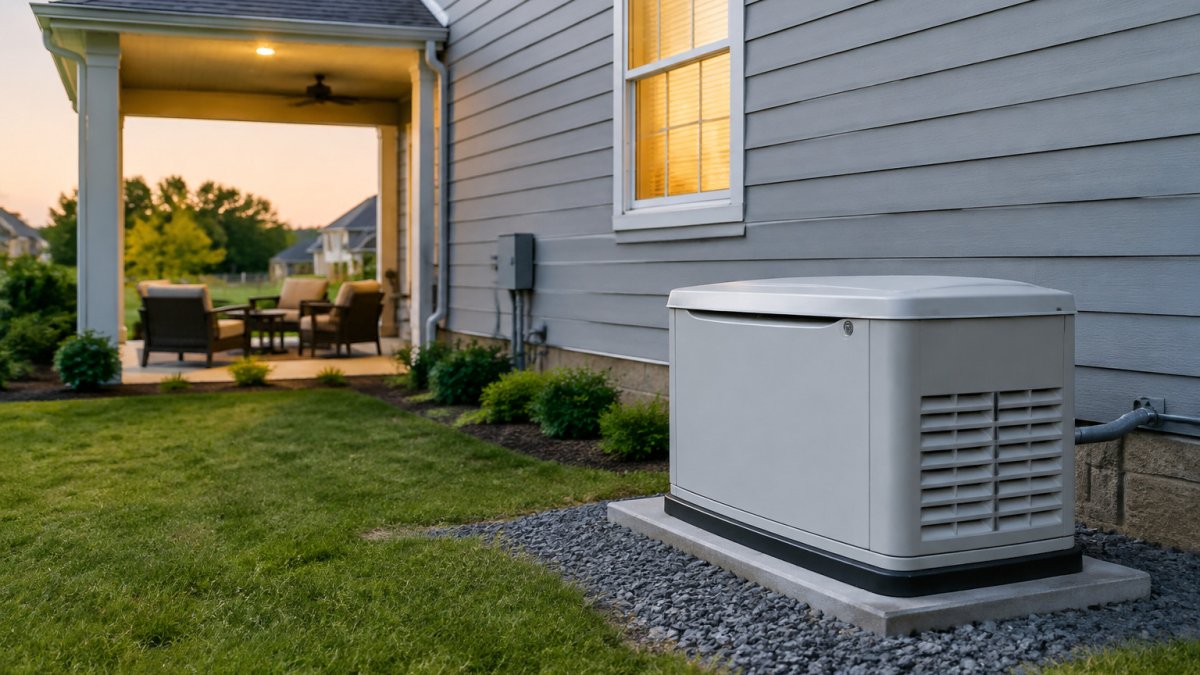
Yes, a whole home backup system can increase property value, but the gain is usually smaller and less certain than sellers hope. What it does show is that buyers value reliable power, and that appraisers and local markets decide how much of that value transfers at sale.
Many homeowners in Middle Tennessee, where outages from ice storms and summer thunderstorms are a real concern, may see a generator as a selling point. Whether that feeling turns into a higher sale price depends on your home, your neighborhood, and how the system is documented. Here is how to think it through.
The short answer: a whole home backup system is a value-add, not a guaranteed return. Treat any resale bump as a bonus, not the reason to buy.
Where the Commonly Repeated 3% to 5% Estimate Comes From
You will often see the claim that a standby generator adds 3% to 5% to a home's value. It appears in real-estate blogs, contractor marketing pages, and home-improvement roundups. The number is repeated so often that it reads like a settled fact. It is not.
When you trace the 3% to 5% range back, it rarely resolves to a single peer-reviewed study or a government dataset. More often it traces to one of three sources: a regional real-estate survey, a contractor's internal sales anecdote, or a rewrite of an earlier article that itself cited no primary data.
A few questions separate a usable estimate from a recycled one:
- What is the original source? Look for the study, survey, or dataset behind the number, not the article that quotes it. If the trail ends at another blog, treat the figure as unverified.
- What geography did it cover? A value bump measured in a hurricane-prone coastal market does not transfer to an inland market with rare outages. Outage frequency is the variable that drives buyer demand, and it varies enormously by region.
- What does the number actually measure? Sale price, appraised value, and buyer interest are three different things. A survey of buyer preferences is not the same as a record of closed sale prices.
- What was the sample? A handful of agent opinions is not the same as a multi-year analysis of comparable sales.
A common pattern is that the 3% to 5% figure describes buyer interest or agent perception rather than documented sale-price premiums. That distinction matters when you are deciding whether to spend tens of thousands of dollars.
Use the 3% to 5% range as a conversation starter with a local agent, not as a line item in your budget. The only figure that should drive a financial decision is one you can verify from comparable sales in your own market, homes that sold with a permitted, documented standby system versus similar homes that sold without one.
Watch out: a percentage applied to your home's value can look large on paper, 4% of a $450,000 home is $18,000, but if that number came from a different region, a different price tier, or a buyer-preference survey, it can overstate what your specific buyer will pay.
How Appraisers Actually Treat a Standby Generator
Appraisers estimate value mainly by comparing your home to recent sales of similar homes nearby (Why did I receive different valuations during the mortgage loan application process?). A generator matters only if comparable sales show that buyers pay more for homes with one. Appraisers generally do not add value just because a system exists.
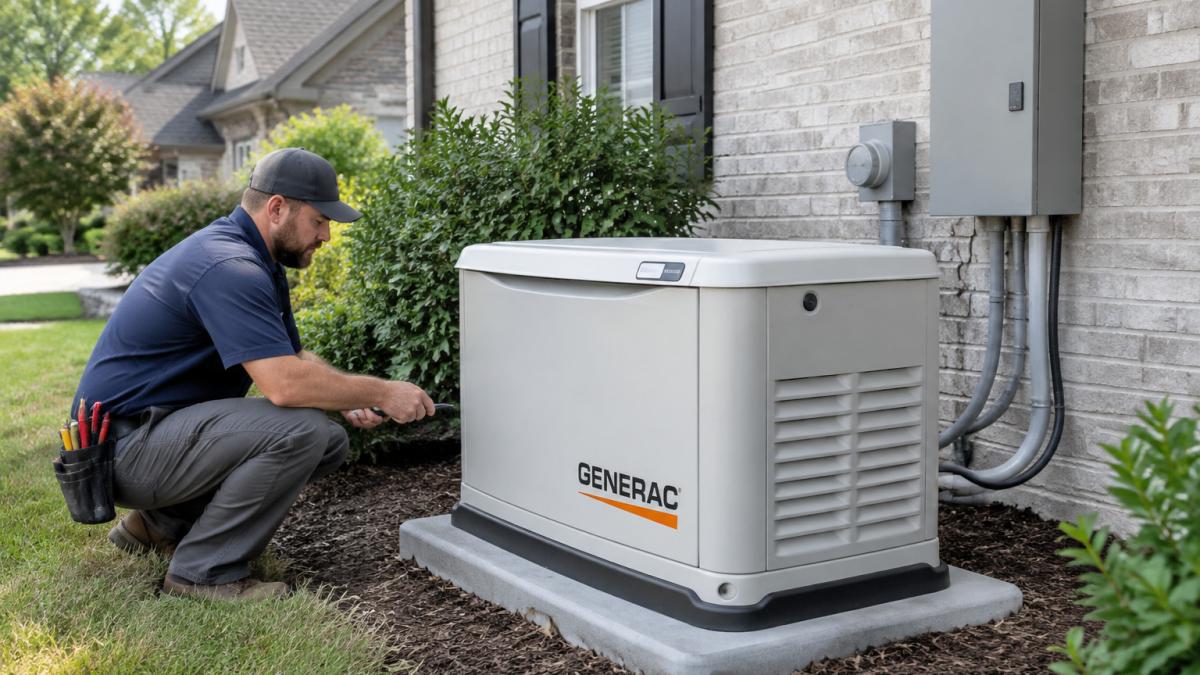
In practice, an appraiser may note a permanently installed generator as a feature, but its contribution depends on local demand. A system that is clean, permitted, and well maintained is easier to justify than one with no paperwork. A common mistake is assuming the appraiser will reward the upgrade automatically. They will not, unless the market supports it.
Whole House Generator Cost: Installation and Ongoing Expenses
Pricing depends on the generator size, fuel source, the transfer switch, site work, and local permit fees. You can compare Nashville-specific backup generator pricing against your own situation. For a current quote, contact Generators of Nashville by Evolution Electric directly.
Plan for both upfront and ongoing costs:
- Installation: equipment, transfer switch, electrical work, and permits
- Fuel: natural gas or propane supply and any storage or line work
- Maintenance: scheduled service visits and periodic inspections
- Repairs: parts and labor over the system's life
Net ROI: Calculating Whether a Generator Pays for Itself
Return on investment is the gap between what you spend over the life of the system and what you recover when you sell. Most articles stop at the purchase price. A real net-ROI model includes every dollar the system consumes from installation to replacement.
Build the cost side first, because it is the side you can actually verify:
- Equipment and installation: the generator, automatic transfer switch, electrical work, gas or propane line work, concrete pad or site prep, and permit fees. Get these as separate line items in a written quote rather than a single bundled number.
- Fuel: natural gas is typically metered and billed as you use it; propane requires a tank, delivery, and refills. Estimate fuel use from the manufacturer's consumption rate at your expected load, not from a guess.
- Maintenance: scheduled oil and filter service, annual inspections, and battery replacement. These recur every year for the life of the unit.
- Repairs: parts and labor outside warranty. Budget something for this even if the first years are covered.
- Replacement: a standby generator has a finite service life, so the cost of eventually replacing it belongs in a lifetime model, not just a first-year one.
Now build the recovery side. This is where discipline matters. Only count a resale gain you can document from comparable sales in your market. If you cannot find homes that sold with a permitted, documented system against similar homes without one, enter zero for the resale gain and let the outage-protection value carry the decision.
The arithmetic is simple once both sides are honest:
- Total lifetime cost = installation + fuel + maintenance + repairs + replacement
- Documented resale gain = verified sale-price premium in your market (or zero)
- Net gain or loss = documented resale gain minus total lifetime cost
Run that subtraction and a pattern usually emerges: for many homeowners, the system does not pay for itself at resale. The recovery comes from avoided losses during outages, spoiled food, damaged appliances, sump-pump failures, lost work time, and, in some households, medical equipment that cannot lose power. That protection value is real, but it is a use value, not a resale value, and it should be the reason you buy if the resale math is thin.
A practical way to decide: if the net resale calculation comes out negative and you would not buy the system for your own protection, the purchase is hard to justify on financial grounds alone. If you would buy it for protection regardless, the resale gain becomes a bonus rather than the premise.
The article's cost and recovery sides can be summarised side by side, so a reader can see what the net-ROI math includes.
| Cost or recovery item | What the article says | Note |
|---|---|---|
| Equipment and installation | Generator, transfer switch, electrical, gas or propane, pad, permits | Get as separate line items in a written quote |
| Fuel | Natural gas is metered; propane needs tank and refills | Estimate from manufacturer consumption rate |
| Maintenance | Oil and filter service, annual inspections, battery replacement | Recurs every year |
| Repairs | Parts and labor outside warranty | Budget even in early years |
| Replacement | Standby generators have a finite service life | Belongs in a lifetime model |
| Documented resale gain | Verified sale-price premium in your market | Enter zero if not documented |
| Net gain or loss | Documented resale gain minus total lifetime cost | Often negative at resale |
The Pros and Cons of a Whole House Generator
Pros:
- Keeps refrigeration, heating or cooling, and medical equipment running during outages
- Protects home systems and appliances from power interruptions
- Keeps remote work equipment online during storms
- Can appeal to buyers in outage-prone areas
- Adds energy independence for long outages
Cons:
- High upfront cost with no guaranteed resale return
- Requires routine maintenance and fuel supply
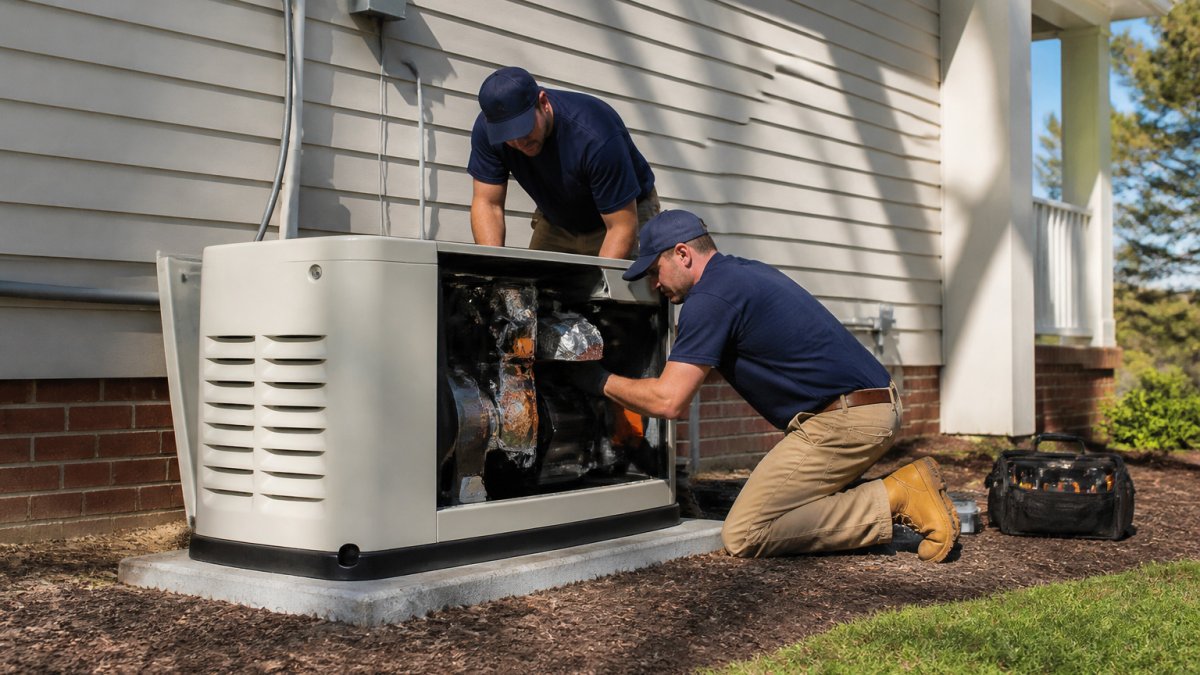
- Needs proper permits and professional installation
- Resale value depends heavily on local demand
- Some buyers may not value it at all
Weigh these against your own household needs before deciding.
Insurance, Permits, and Paperwork That Affect Resale
Documentation can matter as much as the generator itself. Buyers and appraisers are more comfortable with a system that has clear records.
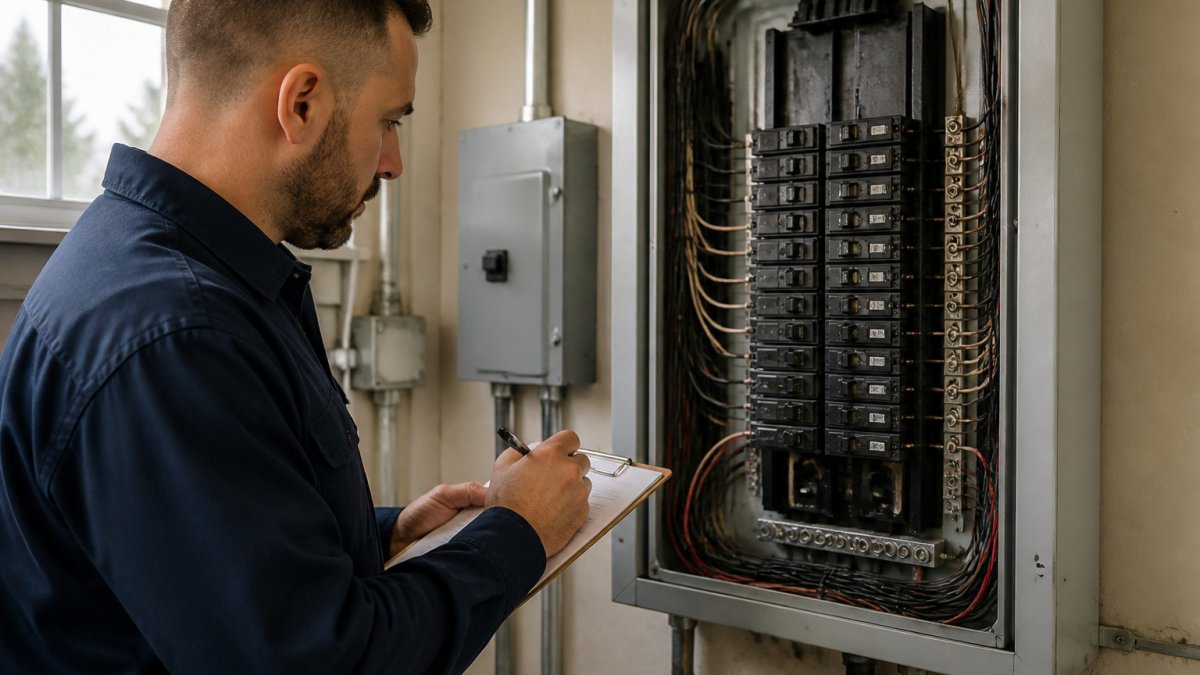
- Permits: confirm that installation was permitted and inspected
- Warranty: keep the manufacturer and installer warranty information
- Service history: save maintenance records and receipts
- Insurance: ask your insurer whether a generator changes your premium or coverage
Missing paperwork can slow or complicate a sale. Keep a single folder with everything.
Deciding Whether to Install a Whole-Home System Before You Sell
Before you install a system just to sell, ask a few direct questions:
- Does your neighborhood have frequent outages that buyers would notice?
- Would you keep the system for your own protection even if resale did not improve?
- Can you document permits, warranty, and service history clearly?
- Have local agents told you buyers in your price range expect a generator?
If most answers point to real outage risk and your own need for backup power, a whole-home system makes sense regardless of resale. If the main goal is a quick sale bump, be cautious about the spend.
Get a written quote from Generators of Nashville by Evolution Electric to see what a system would cost for your home. Our licensed electricians can walk through sizing, permits, and installation so you know what you are buying before you decide.
Frequently Asked Questions
Does a whole-house generator increase home appraisal value?
An appraiser values a whole-house generator as a permanent improvement only when it is professionally installed and documented, with permits and a working automatic transfer switch. Appraisers compare the home to recent comparable sales in the same market, so a generator adds value mainly when nearby buyers in outage-prone areas have shown they will pay for backup power. Because appraisal is based on comparable sales rather than cost, the installed price does not translate dollar-for-dollar into appraised value. Ask your agent to pull comparable sales that include generators before assuming any specific increase.
How much does a whole house generator cost for a 2,000-square-foot home?
Pricing depends on generator capacity, fuel source, the electrical panel, and the complexity of the installation, so Generators of Nashville by Evolution Electric does not publish a standard figure. Costs for a home of this size vary with how many circuits the generator must cover, whether natural gas or propane is used, and whether a concrete pad and transfer switch are needed. Request a site-specific quote through the 60-second quiz on the company website to get an estimate based on your home's load and layout.
What are the disadvantages of whole house generators?
The main disadvantages are the upfront installation cost, ongoing maintenance such as periodic service and fuel-system checks, the space needed outside the home, and the noise during operation. Fuel supply is another consideration, since natural gas or propane must be available and reliable. A generator also requires a permanent installation with permits and a transfer switch, which adds time before the system is operational. Weigh these against your outage frequency and the value of uninterrupted power for work, medical equipment, and household systems.
Does a whole-house generator lower homeowners insurance?
Some insurers offer modest discounts or better terms for homes with permanent backup power, but this is not guaranteed and varies by carrier and policy. Insurance savings may also be offset by coverage for the generator itself. Contact your insurance provider with the installation documentation, permit records, and the make and model of the system to ask whether a discount or endorsement applies. Keep the installer's paperwork with your policy records for any future claim or underwriting review.